Country
Lesotho
Key Words
Education; Table Tennis; Girls’ Empowerment; Safe Sport; Gender Equality; Psychosocial Support; Rural Youth Development; Menstrual Health; Sanitation; Community Safety; Leadership; Life Skills; SDGs; Climate Action; Poverty Reduction; Dropout Prevention; Resilience; Capacity Building.
Authors
Amelia Senekane
Founding Director, Heal Our Land Organisation (HOLO)
Lilamani de Soysa
Board member of Swaythling Club International
Global Executive Board member of the IWG – International Working Group for Women and Sport
Areas of work
Football for Development, child empowerment, education support, social inclusion, equality, community engagement
Summary/Overview
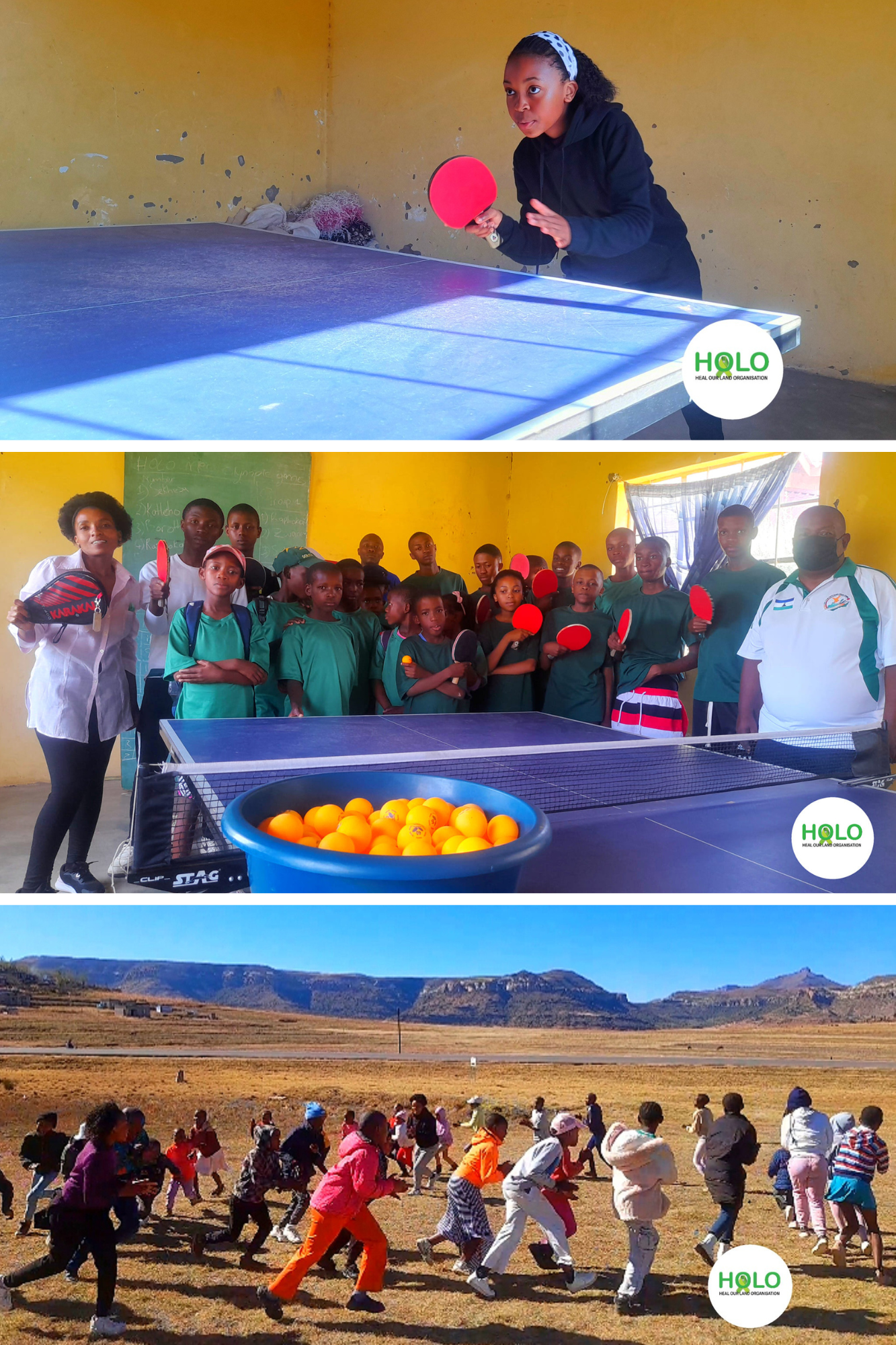
HOLO–MEC (Motivational and Educational Club) is a holistic youth development programme serving at least 219 learners in rural Matsieng, Lesotho. The programme integrates education, sport, health, and life skills to address interlinked challenges affecting children and adolescents, especially girls.
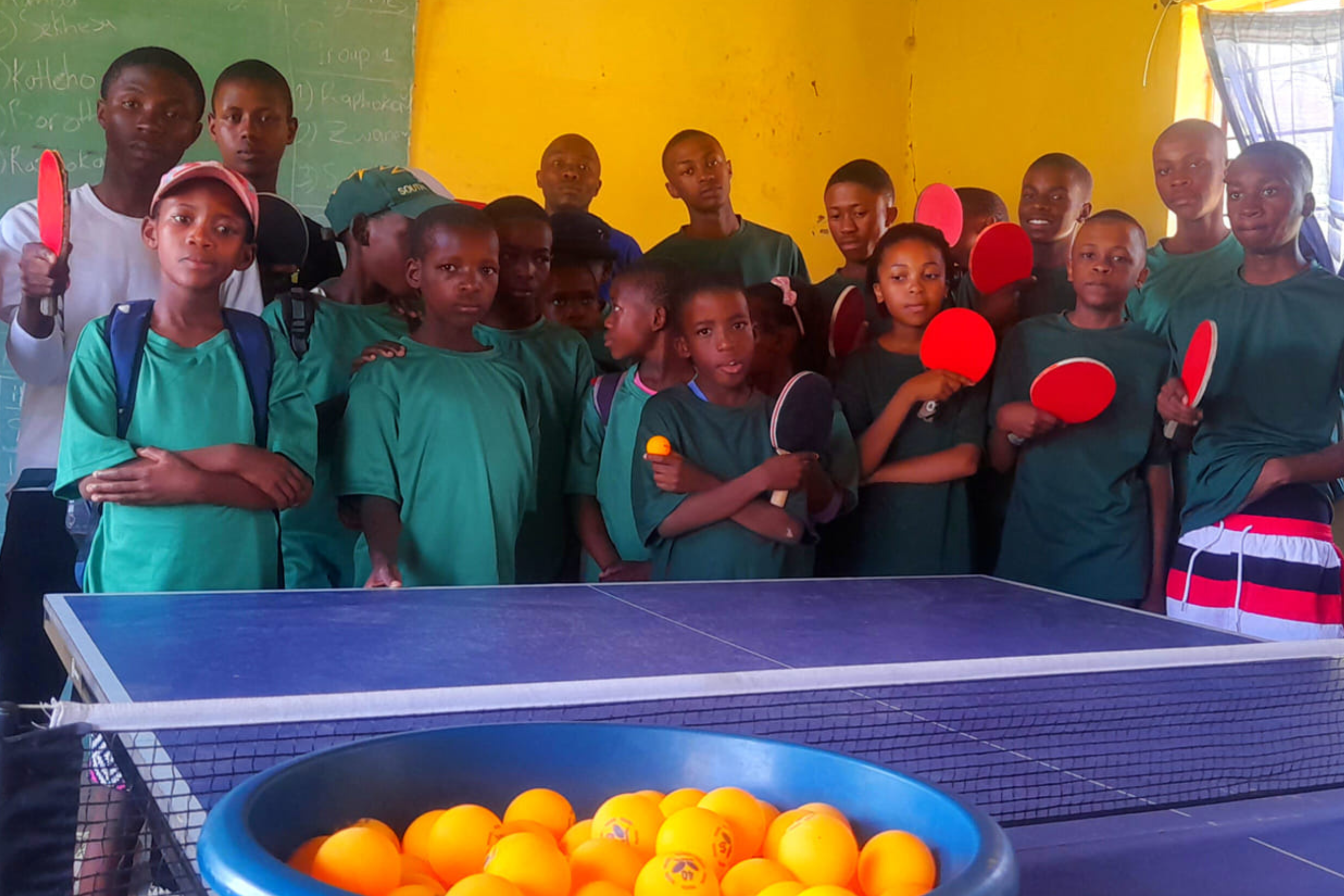
The project began in October 2023 with the assistance of the Lesotho Table Tennis Association, Table Tennis Wales and other key partners focusing on developing table tennis in the community combined with capacity building workshops on leadership, menstrual health and safe sport. Building trust and successful communication with several international partners, HOLO has obtained invaluable support from the Swaythling Club International (mentor and international liaison Ms Lilamani de Soysa), Table Tennis Wales (Michael Board) and the June Canavan Foundation in Australia.
The overall aim is to improve well-being, empower girls, increase participation in sport, and build a peaceful, resilient community.
Problem Statement
Children and adolescents in rural Matsieng face multiple, deeply rooted challenges that hinder their educational, social, and personal development:
Education Challenges
Quality education is always a challenge, and there is limited access to extra learning support and literacy development. Corporal punishment in schools is fairly common, which affects confidence and performance. Existing learning gaps were worsened by the COVID-19 pandemic and High school dropout rates increased (49 in 2022; 32 in 2023; 46 in 2024).
Sporting Challenges
Lack of sports infrastructure and structured grassroots sport programmes are an ongoing barrier, with no clear pathway for development, with limited opportunities for sport leadership and competition. Girls are particularly vulnerable as they are excluded due to inadequate facilities (only one pit toilet available), menstrual constraints, and gender stereotypes.
Health & Safety Challenges
Menstrual health barriers leading to absenteeism and reduced participation, hinder girls’ participation in sport and physical activity. Other psychosocial challenges include trauma, violence, and low resilience. Community insecurity with rising crime rates, substance abuse, and gang influence are particularly pernicious problems.
Community Challenges
The community faces significant challenges, including poverty, food insecurity, and limited recreational options for young people. The lack of structured programmes places youth at risk of engaging in harmful activities, while environmental neglect and low participation in climate action further affect community wellbeing. Without targeted interventions, these combined factors threaten the potential and future opportunities of young people, particularly girls.
About the Program
Heal Our Land Organisation (HOLO) is a non-governmental organisation based in Matsieng, Lesotho, dedicated to empowering children, adolescents, and young adults through education, sport, psychosocial support, and community development. HOLO provides a safe space where youth can learn, grow, and build resilience, with a strong focus on girls’ empowerment, gender equality, and inclusive participation. HOLO has been operating in the community since 2019. Table tennis, as a tool for promoting the importance of physical activity and empowering girls and women was embraced by the organisation in October 2023.
The HOLO–MEC Programme provides an integrated model to respond to these challenges through:
Table Tennis & Girls’ Empowerment
Table tennis is used as a powerful tool to empower girls and young women while promoting the importance of physical activity, equality, and inclusion. Regular coaching sessions help participants develop skills, confidence, and discipline, supported by leadership and safe sport workshops led by Lilamani de Soysa and Sasha Martell from Safesport International. Practical barriers to participation are addressed through the provision of menstrual hygiene support and the construction of two gender-separate toilets, ensuring safety and dignity for girls. Participants are given opportunities to compete in local, national, and international tournaments, broadening their exposure and ambitions. Boys are intentionally included in the programme to promote allyship, gender equality, and mutual respect.
Gender Equality & Safeguarding
Workshops are conducted on gender-based violence prevention, safe sport, menstrual health, and gender equality. Dedicated communication channels are also created to ensure girls have safe, supportive spaces where they can openly discuss sensitive issues, share experiences, and seek guidance without fear or stigma.
Community Development
Community development activities focus on strengthening local engagement and youth leadership. World Clean-Up Day events are organised in collaboration with local schools, promoting environmental responsibility and collective action. Anti-doping education is combined with environmental awareness to encourage healthy, ethical lifestyles. HOLO actively engages community stakeholders, including schools and local authorities, to build strong partnerships. Through these initiatives, young people are given opportunities to develop leaders and peace advocates within their communities.
Outcomes
Education Outcomes
There is clear progress seen with learning gaps narrowed for 219 learners receiving support. The programme has contributed to at least a 5% reduction in school dropout rates at the neighbouring high school. Alongside academic improvement, learners have developed greater resilience through strengthened life skills.
Sport Outcomes
At least 10 girls will participate annually in national and international table tennis tournaments by the end of 2028. The programme also focuses on developing women coaches in table tennis, creating role models and pathways for leadership. Attitudes toward gender equality among boys and the wider community have also improved.
Health & Hygiene Outcomes
Improved menstrual hygiene management for girls and increased access to safe, clean toilets that support dignity and wellbeing. These improvements contribute to healthier, more confident female athletes who are better able to participate fully in sport, education, and community life.
Community Outcomes
The youth are more equipped to advocate for peace, gender equality, and safe sport within their communities. Collaboration between local schools and organisations has increased, strengthening collective action and shared responsibility. There is also greater awareness of environmental protection and climate action.
Successes
HOLO has already established a strong foundation that this project builds on:
Education & Learning
Consistent tutoring has led to a significant reduction in learning gaps and strengthened overall academic performance. At least 219 learners are actively participating in the HOLO-MEC programme, benefiting from structured educational support. As a result, learners show improved confidence, greater motivation, and stronger engagement in their studies.
Sport & Girls’ Empowerment
A growing table tennis club has attracted strong and active youth participation. The programme has significantly increased the visibility and acceptance of girls in sport within the Matsieng community. This progress has been strengthened through a successful partnership with international sport leaders, bringing expertise, mentorship, and global connection to the local initiative.
Community Impact
HOLO is recognised as a safe and vibrant hub, filled with activity, laughter, and positive engagement. Community relationships have been strengthened through regular events and close collaboration with local schools, fostering trust, connection, and shared responsibility for youth development.
Partnership Development
Strong partnerships have been built with Dolen Cymru Lesotho and the British High Commission, providing valuable support. In addition, international connections with organisations such as SCI, the IWG, and Safesport International bring global expertise, mentorship, and opportunities to the rural youth.
Challenges
Despite the progress made, several challenges remain. Persistent poverty, food insecurity, and unstable home environments continue to affect many young people, while limited resources restrict the development of adequate sports infrastructure. Funding shortages pose a serious risk, with support from current partners coming to an end soon. There is also resistance to behaviour change, particularly around deeply rooted gender norms. In addition, the presence of only one existing pit toilet makes participation especially difficult for girls, highlighting the ongoing need for improved facilities.
Lessons & Recomendations
- Holistic programming is essential — education, sport, psychosocial support, and health interventions together create stronger, sustained impact.
- Girls thrive when their basic needs are met, especially menstrual support and safe sanitation.
- Partnerships strengthen capacity — international collaboration brings powerful role models and expertise.
- Continuous engagement retains learners — consistent activities reduce dropout and harmful behaviour.
- Safe spaces change lives — youth are more confident, expressive, and motivated when they feel protected and valued.
- Boys must be included to effectively shift gender norms and build community support for girls’ leadership.
- Sport is a powerful tool for education, peaceful communication, and behaviour change in rural settings.
- Community trust-building is crucial, especially in contexts of violence or insecurity.