Country
Thailand
Key Words
Inclusion, empowerment, outdoor education, climbing, hiking, community, diversity
Authors
Gate For Children Foundation (NGO), Thailand
Areas of work
Football for Development, child empowerment, education support, social inclusion, equality, community engagement
Summary/Overview
Gate for Children Foundation is an NGO based in Phuket, Thailand, using football and life-skills education to empower underprivileged children in Kathu and surrounding communities. Through structured training, mentoring, and academic support, the initiative aims to promote equality, teach resilience, and participate to the social inclusion of the local youth.
Over 200 children currently participate, gaining access not only to sport but also to learning opportunities, emotional support, and personal development. Guided by the belief that “every child deserves a chance to dream,” the program uses the universal language of football to foster confidence, leadership, and hope for a brighter future.
Problem Statement
Phuket, known globally for its beaches and tourism, masks stark inequalities in wealth and access to opportunities. In areas such as Kathu, many children grow up facing poverty, unstable living environments, and limited access to education and structured activities. Families often struggle to afford school expenses, learning materials, or extracurricular programs. Girls and boys alike face socioeconomic barriers that restrict their mobility, safety, and participation in healthy recreational activities.
Children in low-income households frequently experience early responsibilities, unstable housing, and lack of safe spaces to play or develop life skills. Social challenges — such as exclusion, violence, substance abuse, and dropping out of school — further magnify the risks they face. From our field experience, girls often shoulder additional domestic responsibilities, face safety concerns when moving outside their neighborhoods, and sometimes encounter family perceptions that sports are “not appropriate” for them.
Moreover, migrant and stateless children — many of whom come from Myanmar or other neighboring countries — face structural discrimination, including limited documentation, language barriers, and reduced access to public services such as schooling or healthcare. These barriers make their participation in extracurricular activities, including sports, even more difficult and often place them at the margins of community life.
Gate for Children Foundation emerged in response to these pressing challenges. During visits to Kathu beginning in 2020, the founders — a group of former professional footballer from Spain committed to child development and equality — witnessed firsthand the resilience of children who played football in empty lots with limited resources but boundless enthusiasm. They recognized football as a universal language capable of crossing social, economic, and cultural divides. Their mission became clear: to use football as a pathway for inclusion, equality, and empowerment for children who otherwise lack opportunities to dream and grow.
About the Organisation
Gate for Children Foundation is a community-based initiative in Phuket that uses Football for Development to promote social inclusion, equality, and personal growth. The program engages children aged 6–16 from diverse and often vulnerable backgrounds — Thai, migrant, low-income, and socially marginalized families. All activities are free of charge to ensure that financial constraints never limit participation.
What the program does
The foundation provides structured football training, academic tutoring, mentorship, and values education. Its holistic approach integrates physical activity with life-skills development, emphasizing teamwork, discipline, respect, empathy, and leadership. Coaches and volunteers serve as positive role models, helping children build confidence and resilience in a safe and supportive environment.
Implementation in context
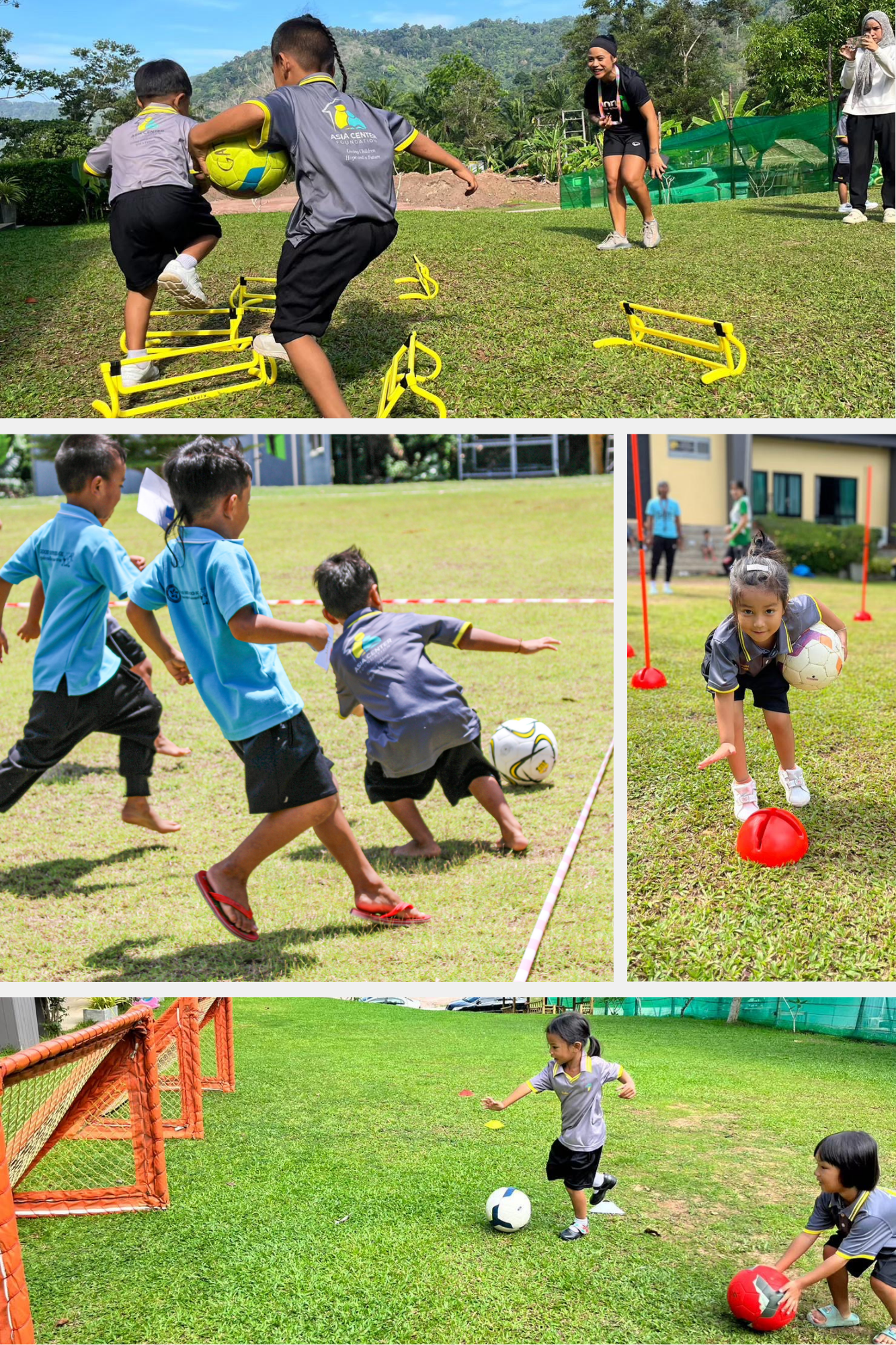
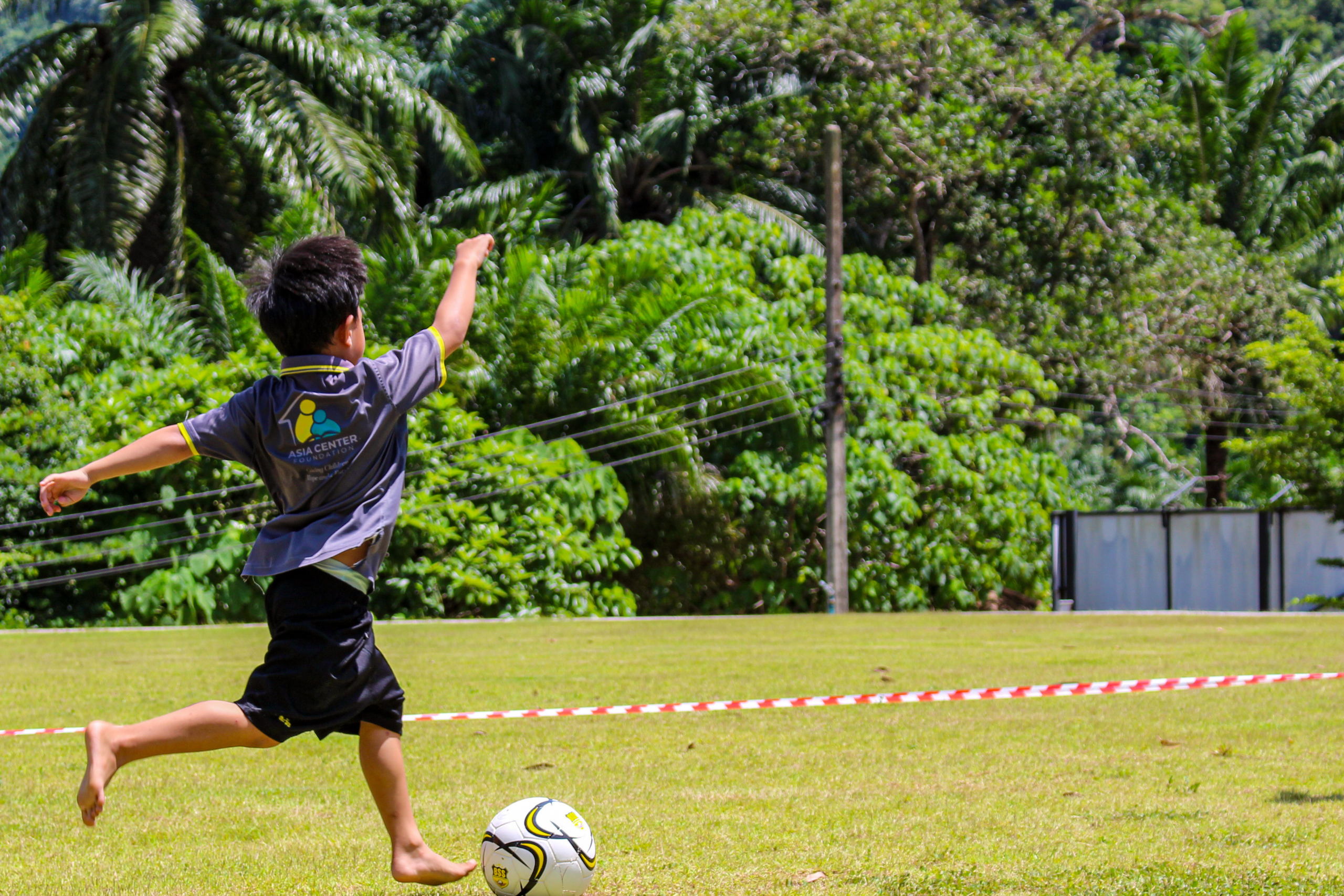
In Kathu, where many children lack stable housing or learning support, the program operates in local fields and community spaces accessible to all. Sessions are held several times a week, combining football practice with educational workshops, homework support, and discussions on healthy lifestyles, emotional well-being, and problem-solving.
Gender equality and GBV-related outcomes
Gate ensures that girls and boys participate equally. Football sessions explicitly promote gender equality by encouraging mixed-gender teams, equal playtime, and leadership opportunities for girls. Coaches emphasize respect, non-violence, and positive communication, helping shift community attitudes about girls in sports and challenging gender stereotypes. Traditionally, in many parts of Phuket — including Kathu — football is viewed as a “boys’ sport,” and girls often receive less encouragement to participate. Some families initially expressed hesitation due to cultural expectations or concerns about girls’ physical safety. However, as parents observed girls’ enthusiasm, improved confidence, and positive peer interactions, attitudes have gradually shifted toward acceptance and pride. Girls now join training and matches with confidence, and families increasingly see sport as a pathway for empowerment rather than a male-dominated activity. Football becomes a space where equality is practiced, not just taught.
The program also creates safe spaces where children can express concerns, seek help, and receive emotional support. By strengthening trust and communication skills, the initiative indirectly contributes to prevent early gender-based violence.
Addressing inequalities
The foundation’s objective is to tackle multiple inequalities at once — educational, economic, social, and gender-based. Academic support helps children stay in school, while mentorship gives them tools to cope with adversity. Through football, the program aims to build bridges among diverse communities and fosters inclusion regardless of gender, social status, or background.
Outcomes
Gate for Children Foundation currently supports over 200 children in Kathu and surrounding areas. The initiative has led to significant behavioural and social improvements: children show better school attendance, increased motivation, improved teamwork skills, and strengthened emotional resilience. Both boys and girls report feeling more confident and valued.
Community perceptions have also shifted. Football is now seen as an inclusive, educational tool rather than a competitive or male-oriented activity. Parents note positive changes in their children’s discipline and communication, while teachers observe improved focus and engagement in school.
A powerful example is Tiger, a 14-year-old boy whose family faced severe financial hardship. Through the program’s mentorship, academic support, and football training, Tiger stayed in school, improved his grades, and became a role model for younger peers. His story demonstrates how football can transform challenges into hope and open pathways toward long-term empowerment.
Successes
Gate has successfully created an inclusive, supportive environment where children feel safe, respected, and motivated. Participation continues to grow, and the program has become a trusted community resource. Its holistic approach has strengthened children’s confidence, academic performance, and social skills. The program’s gender-inclusive model has also been recognized locally for encouraging girls’ participation and challenging traditional norms.
Challenges
Sustaining long-term operations with limited resources remains a major challenge, as the foundation relies primarily on small private donations, local fundraising efforts, and occasional support from partner organizations rather than stable, long-term funding streams. Many participating families face ongoing financial instability, requiring continuous emotional and material support. Transportation barriers and inconsistent attendance can also impact engagement. Cultural perceptions toward girls in sports persist in some households. The foundation addresses these challenges through strong community relationships, flexible programming, and an unwavering commitment to providing free, accessible activities. Still, securing stable funding and expanding safe play spaces remain ongoing needs.
Lessons & Recomendations
- Sports are powerful equalizers: Football can bridge socioeconomic, cultural, and gender divides. When designed inclusively, sports programs become platforms for empowerment, empathy, and mutual respect.
- Holistic support amplifies impact: Combining sport with academic support, mentorship, and emotional care creates lasting change. Children need more than play, they need guidance, trust, and stability.
- Gender equality must be intentional: Mixed-gender teams, equal participation, and female role models help shift community perceptions and challenge stereotypes. Inclusion cannot be accidental — it must be actively practiced.
- Community ownership strengthens sustainability: Engaging parents, teachers, volunteers, and local leaders ensures long-term relevance and support, especially in low-income settings.
- Every child deserves a dream: Programs should create environments where children can envision a future beyond their current circumstances. Empowerment begins when children see their own potential.