
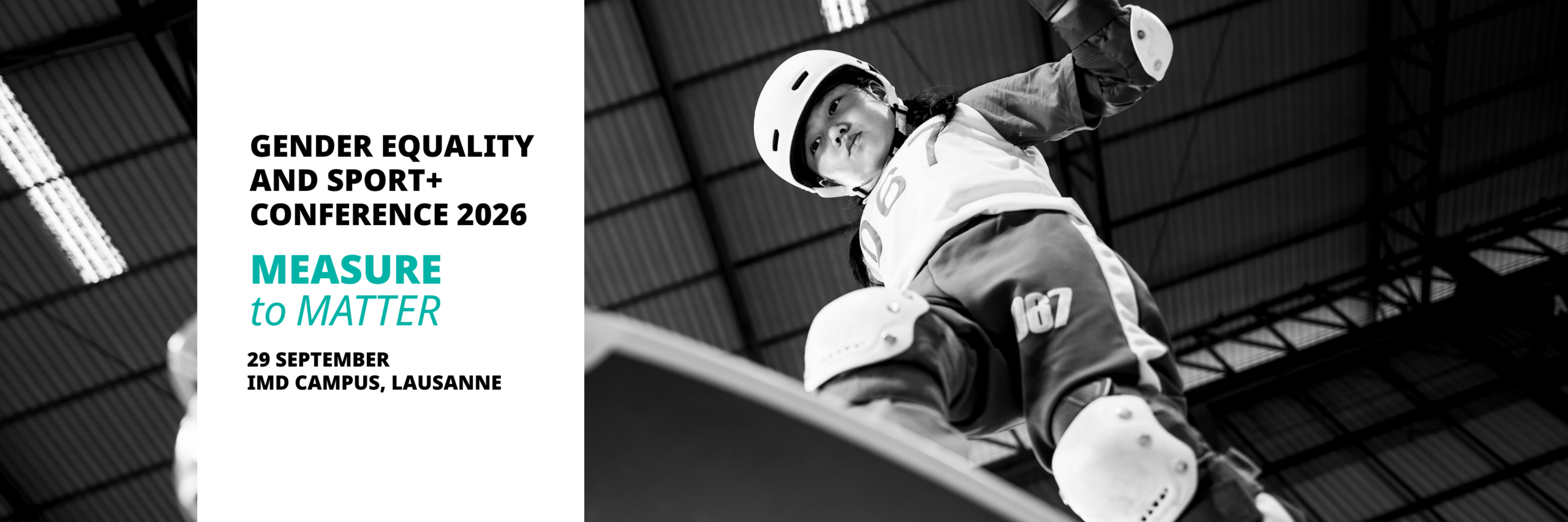
The Annual Conference of the Global Observatory for Gender Equality & Sport (GO) will convene government representatives, researchers, associations, UN Agencies, International Sports Federations, and civil society leaders to examine how measurement and evidence can strengthen governance for gender equality in sport+.
The conference will explore whether, which, and how evidence informs policy formulation, implementation, and impact, bringing together diverse stakeholders to advance evidence-informed approaches across sectors and governance levels.
The programme focuses on:
-
Evidence-informed governance and its role in strengthening gender equality in sport+
-
Improved measurement of girls’ participation, empowerment, and health outcomes
-
Gender budgeting and investment for organisational and policy support and reform
Through a range of plenary discussions, hands-on activities and dedicated time for networking and exchange, the conference will foster dialogue across sectors and governance levels, supporting collective efforts to ensure that measurement meaningfully contributes to sustainable gender equality outcomes.
Poster Exhibition
Participants will have the chance to showcase initiatives, projects, research, policies, and innovations related to the participation of girls and women in sport. The posters will provide an opportunity to highlight practical experiences, emerging ideas, and evidence from different contexts. During the dedicated poster walk, participants will have structured time to engage directly with authors and discuss their work in more depth.
About the Conference
The aims of the Gender Equality and Sport + Conference are to:
- Showcase new knowledge, research, good practices, and lessons learnt by stakeholders working to advance gender equality in PEPAS, highlighting sector-wide challenges, successes and developments, while continuing to identify areas that require attention and further enquiry.
- Foster networking and engagement among global stakeholders by strengthening cross-sector connections and collaboration including among public institutions, civil society and others.
- Break knowledge silos and enhance cross-sector collaboration and facilitate cross-sector knowledge exchange by addressing shared challenges, successes, and emerging trends.
- Equip the sector with resources, best practice sand evidence-based tools, that have the potential to enhance their capacities to address gender inequalities in context specific ways.
- Demonstrate the importance of high-quality, shared data, and present new insights on measuring and tracking gender equality in PEPAS.
The programme features keynote addresses, interviews, Q&As, panel discussions, plenaries, visual presentations, and networking sessions. Speakers include members of the GO Advisory Council, GO network, partners, researchers, government representatives, United Nations entities, and experts from sport and non-sport sectors.
By offering this international platform, the Global Observatory aimes to foster a collaborative environment where all participants can contribute to creating a more inclusive and equitable sporting world.
Alongside the conference, the Board, Expert Group, Advisory Council Partners, and General Assembly of the Global Observatory convene for their respective closed meetings.
About the Programme
Welcome and Opening Remarks
Keynote Presentation
9:30 am – 9:50 am
Panel 1: From Data to Policy to Impact- Evidence-Informed Governance for Gender Equality
9:50 am – 11:10 am
This session examines how evidence is used in governance and decision making related to gender equality in physical education, physical activity and sport. It focuses on how sport and public organisations select, interpret and apply evidence in policy and strategy formulation, planning, resource allocation and accountability processes. It considers the organisational structures, capacities and partnerships required to ensure that evidence informs decisions in a consistent and transparent way, including decisions affecting different groups of women and girls. It also addresses impact by examining whether and how evidence informed policies have benefited organisations and their target groups.
The session highlights the Global Observatory’s indicators and other knowledge products, with attention to how they can support policy design, institutional practice and oversight.
Coffee Break
11:10 am – 11:45 am
Panel 2: What About Girls? Measuring Participation, Empowerment and Health
11:45 am – 01:00 pm
This session addresses persistent gaps in girls’ participation in physcial education, physical activity and sport. It focuses on how participation, empowerment and health outcomes are measured, and how these measurements influence policy and programme decisions. The session presents approaches that move beyond participation rates to capture experience, voice and long-term engagement. It examines how evidence can be used to inform policies and programmes that support sustained participation for girls from different social and cultural contexts, and how youth perspectives can be incorporated into decision making.
Lunch
Parallel Breakout Sessions
02:00 pm – 03:30 pm
One of two parallel breakout sessions are offered, providing participants with the opportunity to engage in expert led workshops designed to foster dialogue, reflection, and problem solving.
Session 1: Measuring Online Gender-Based Violence Workshop
Session 2: Intersectional Indicators Development Workshop
Coffee Break & Poster Walk
03:30 pm – 04:00 pm
Panel 3: Investment and Budgeting in Sport
04:00 pm – 05:00 pm
Closing Remarks
Cocktail and Networking
Get Your Ticket Today
IMD Campus | Lausanne, Switzerland | 29 September 2026
for media, please register here
Venues
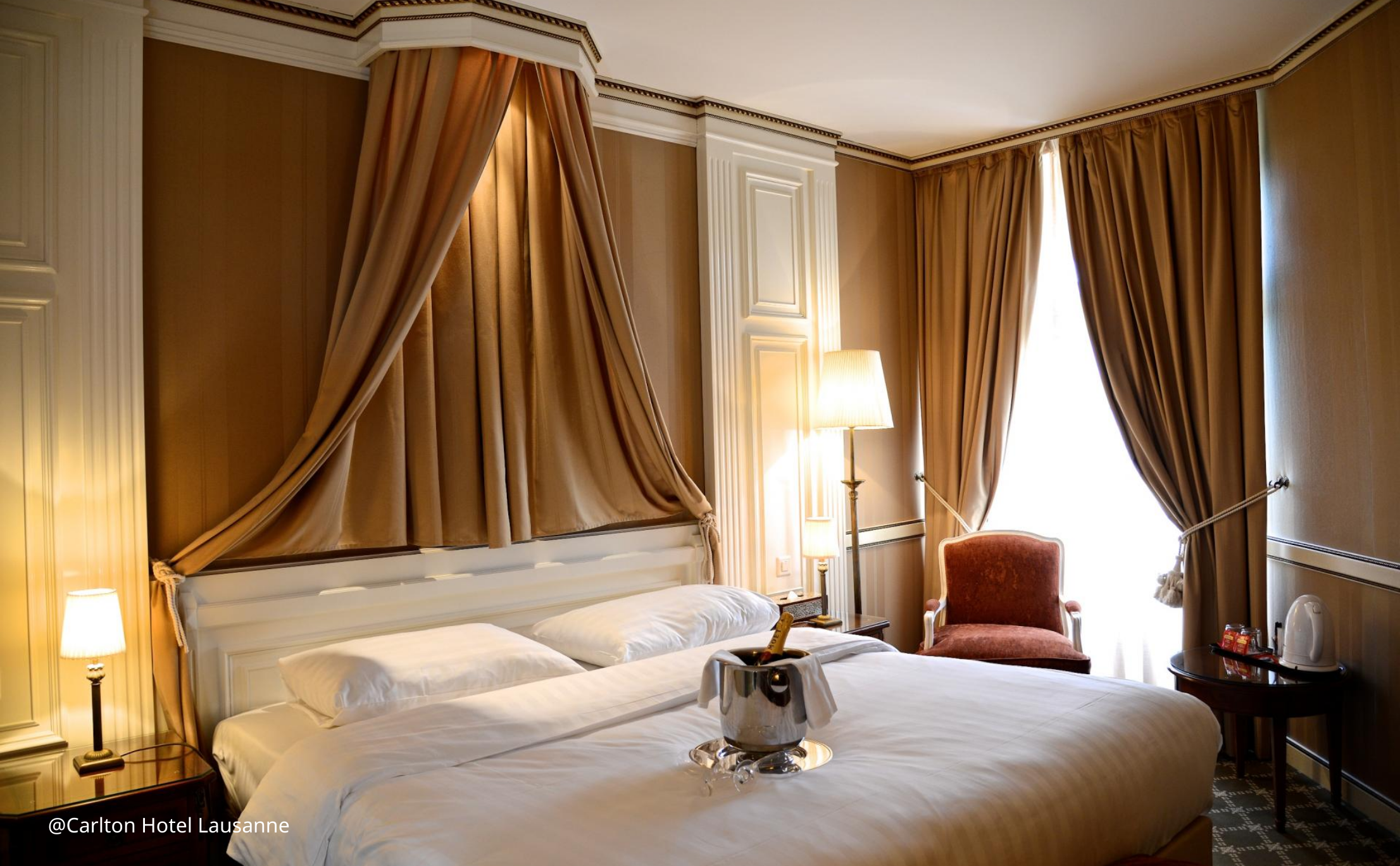
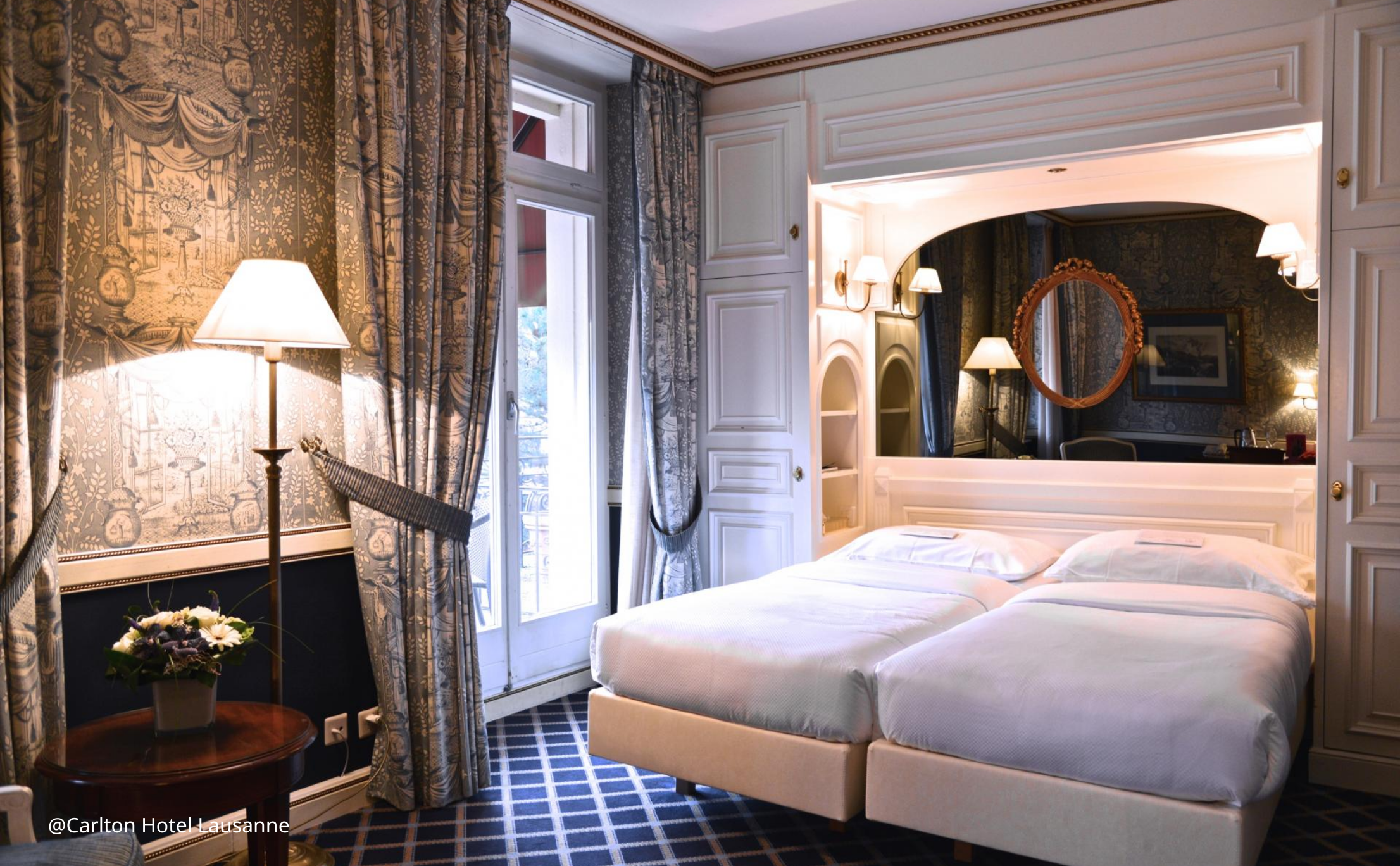
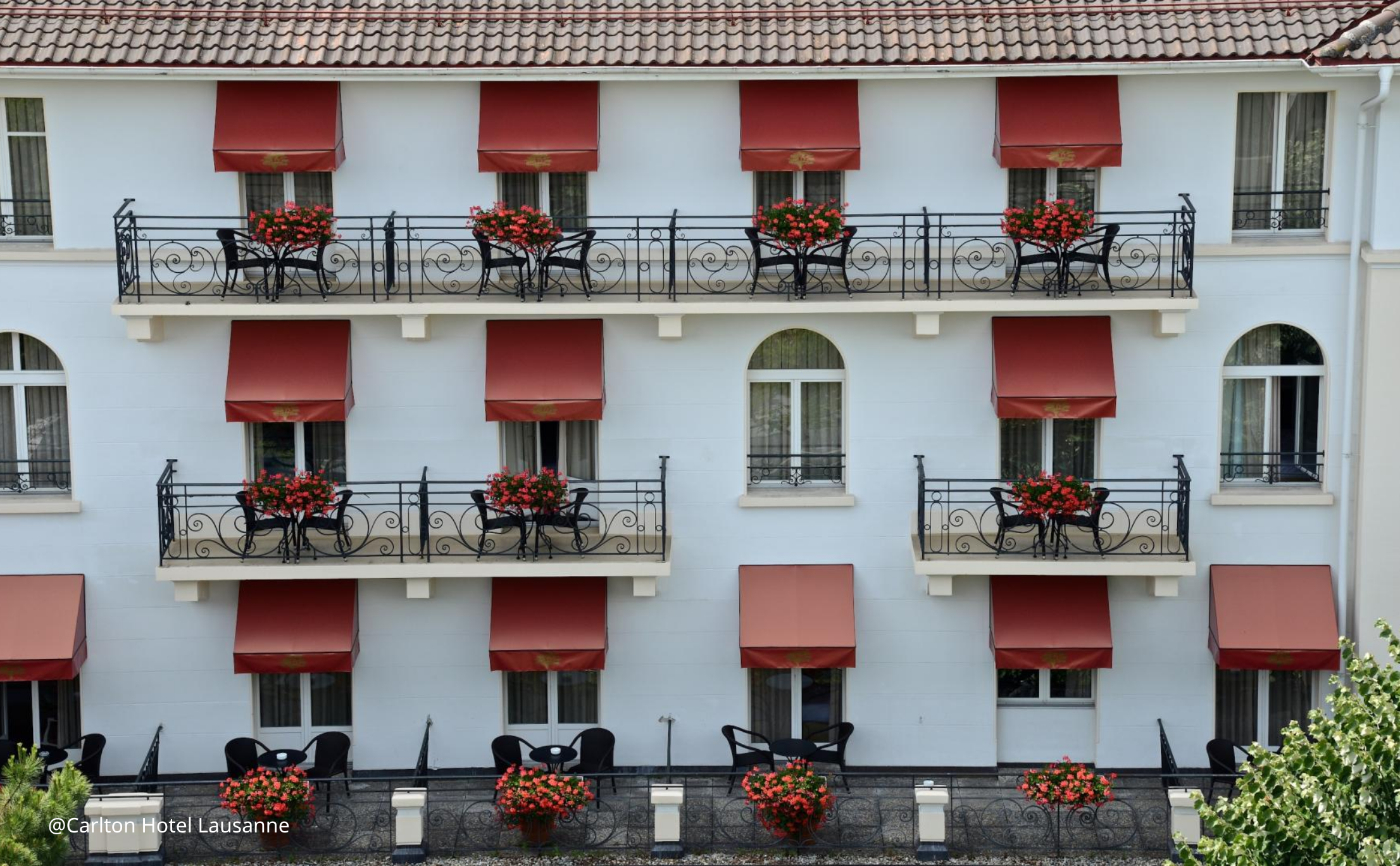
Carlton Hotel Lausanne
The four-star Carlton Lausanne Boutique Hôtel is the official hotel of the Gender Equality & Sport+ Conference 2026. Located in the Ouchy district of Lausanne, it is just a few minutes away from the conference venue, the train station and Lake Geneva.
The Carlton Lausanne Boutique Hôtel is the perfect destination for business or leisure travellers to discover the charm and hospitality of Lausanne.
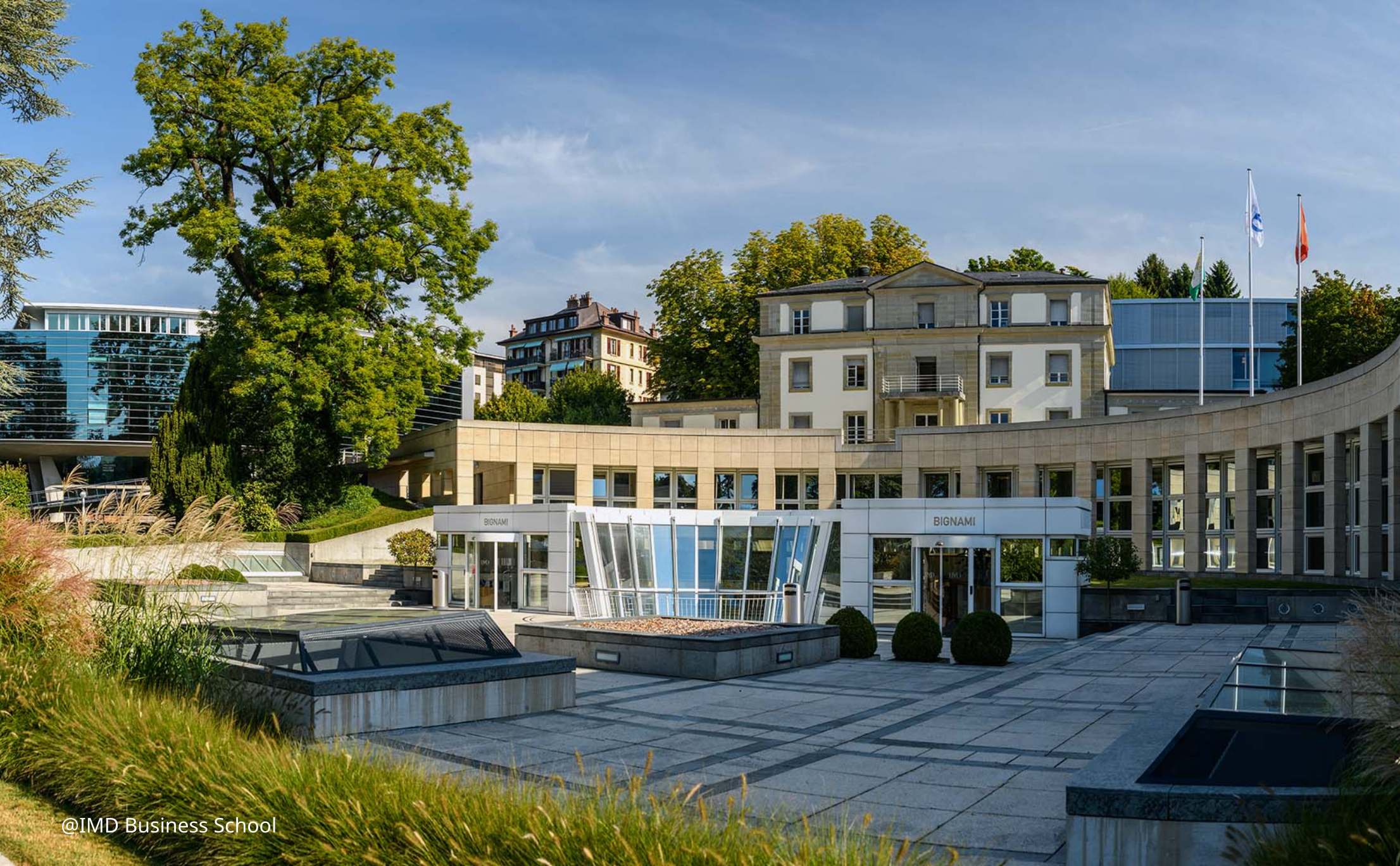
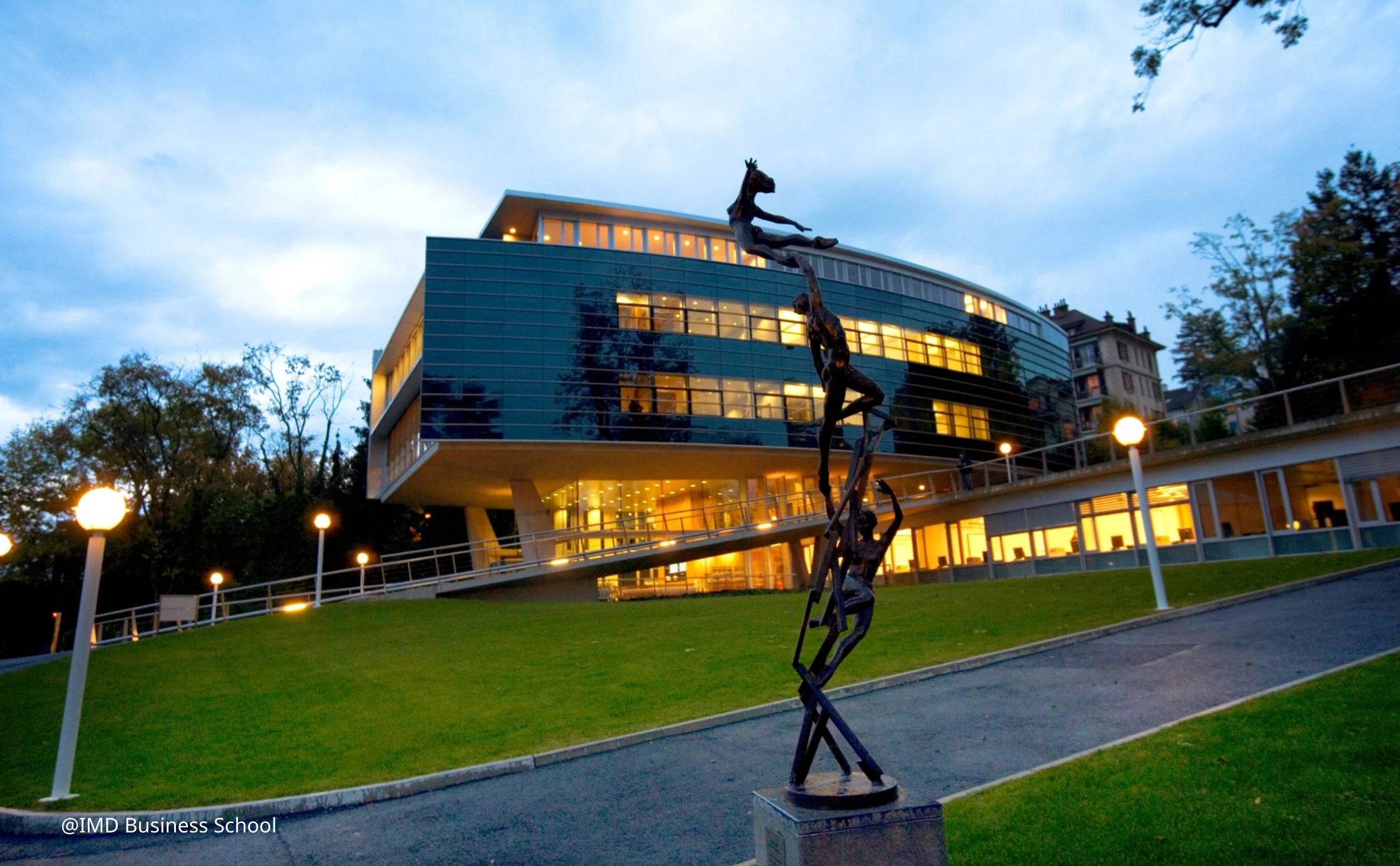
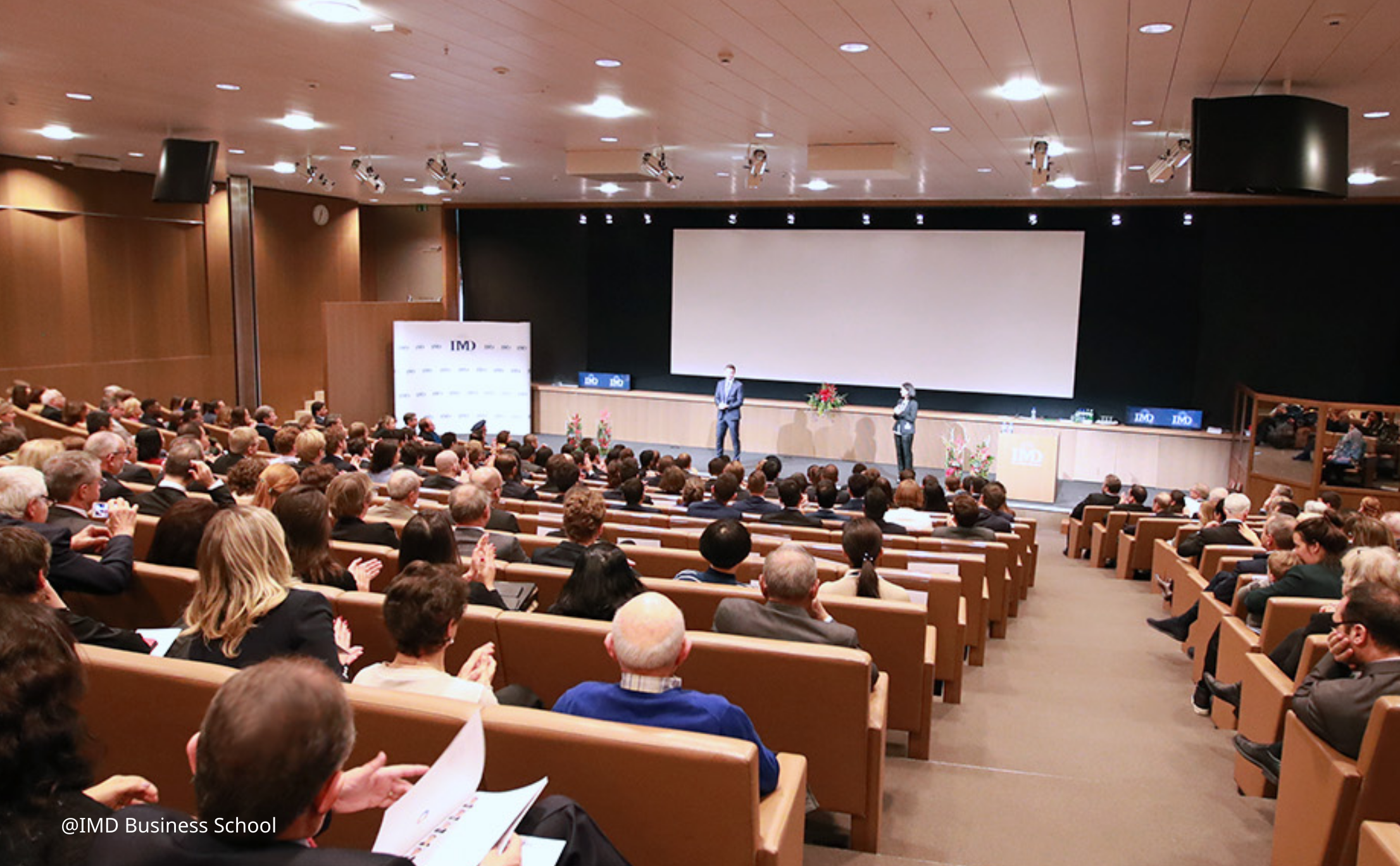
IMD Business School
IMD is a top-ranked business school which specialises in developing global leaders through high-impact executive education. IMD focuses on real-world executive development; it offers Swiss excellence with a global perspective; and has a flexible, customised and effective approach.
IMD is an independent academic institute with strong ties to business and a clear focus on creating impact.
The institute supports the transition to a new model that balances prosperity and growth with ecological sustainability and social inclusion. Sustainability, as well as diversity, equity, and inclusion, are core principles embedded within its framework.
Logistical Information
Visa
Schengen visas are valid for Switzerland and for all other Schengen member states (providing nothing to the contrary is noted on the visa).
If you have any questions, contact the Swiss Embassy responsible for the area in which you reside: Swiss representations.
If the visa is not granted on time, the cancellation policy will be applied.
Weather
September temperatures range from 10°C (50°F) at night (minimum night temperature) and around max 21°C in the daytime (max day temperature of 70°F). For the current weather forecast, please click here.
Electricity
Type C, E and F plugs which support 220 to 240 volts
Time zone
Central European Time (CET)
(GMT+2:00)