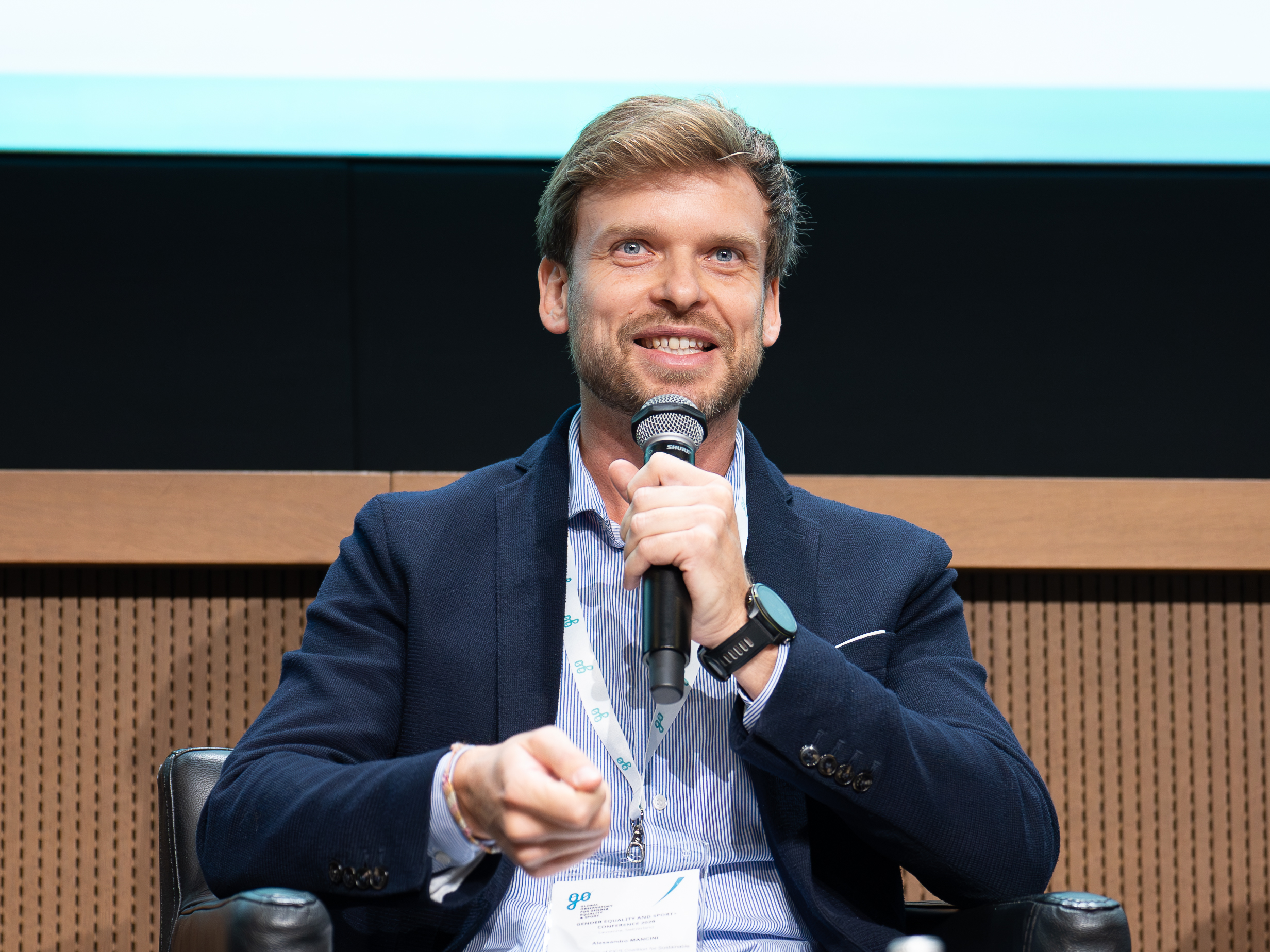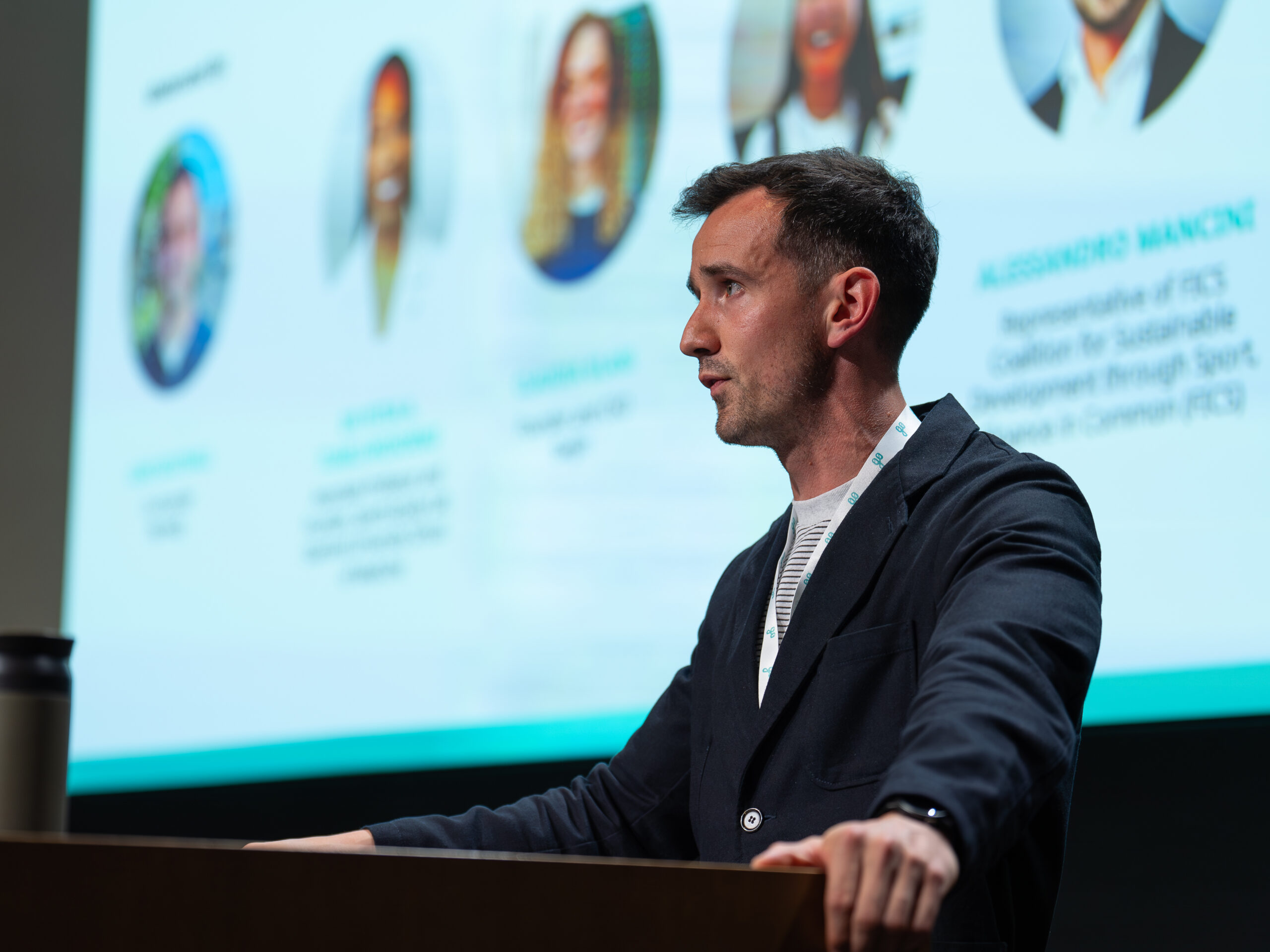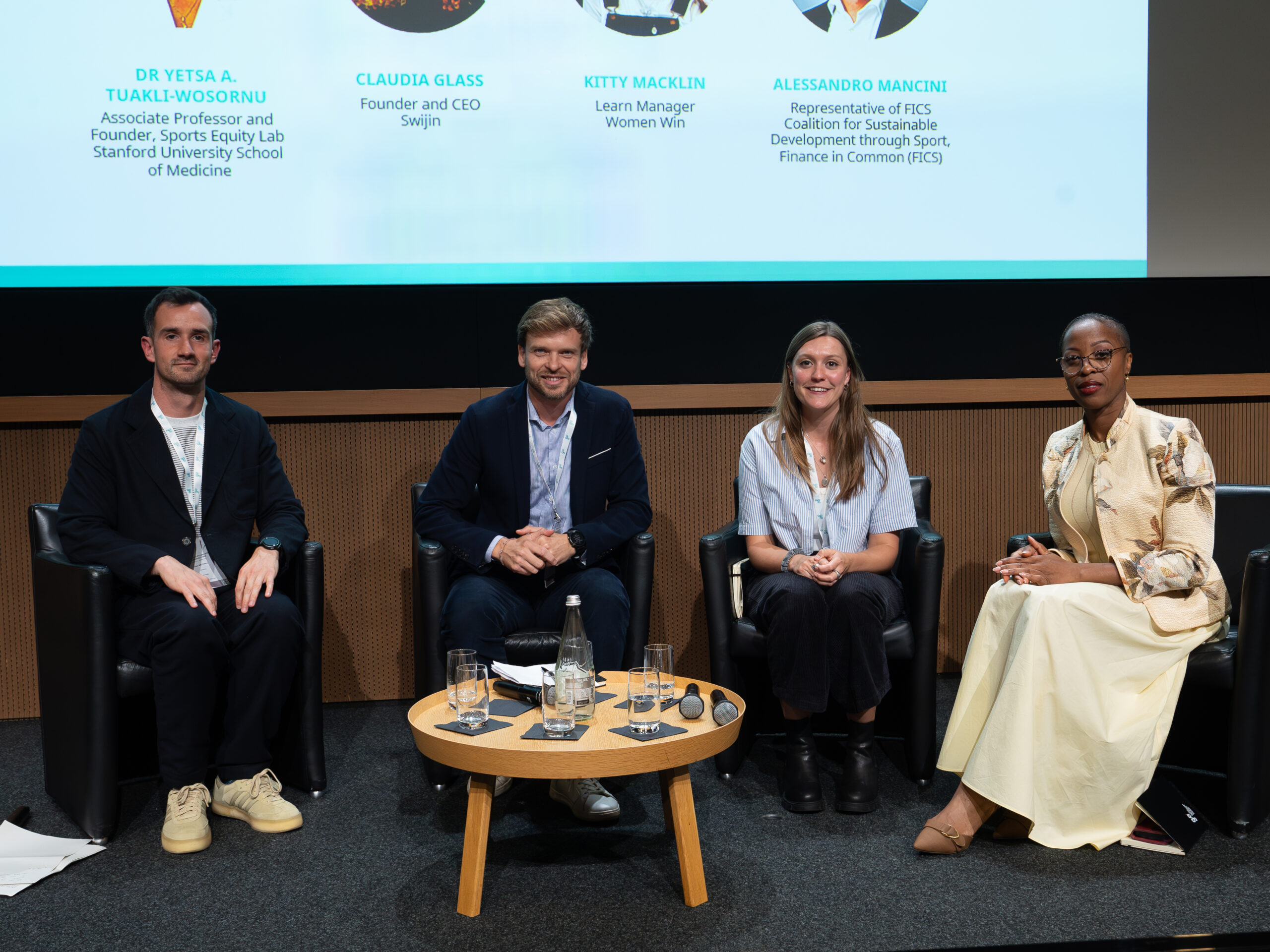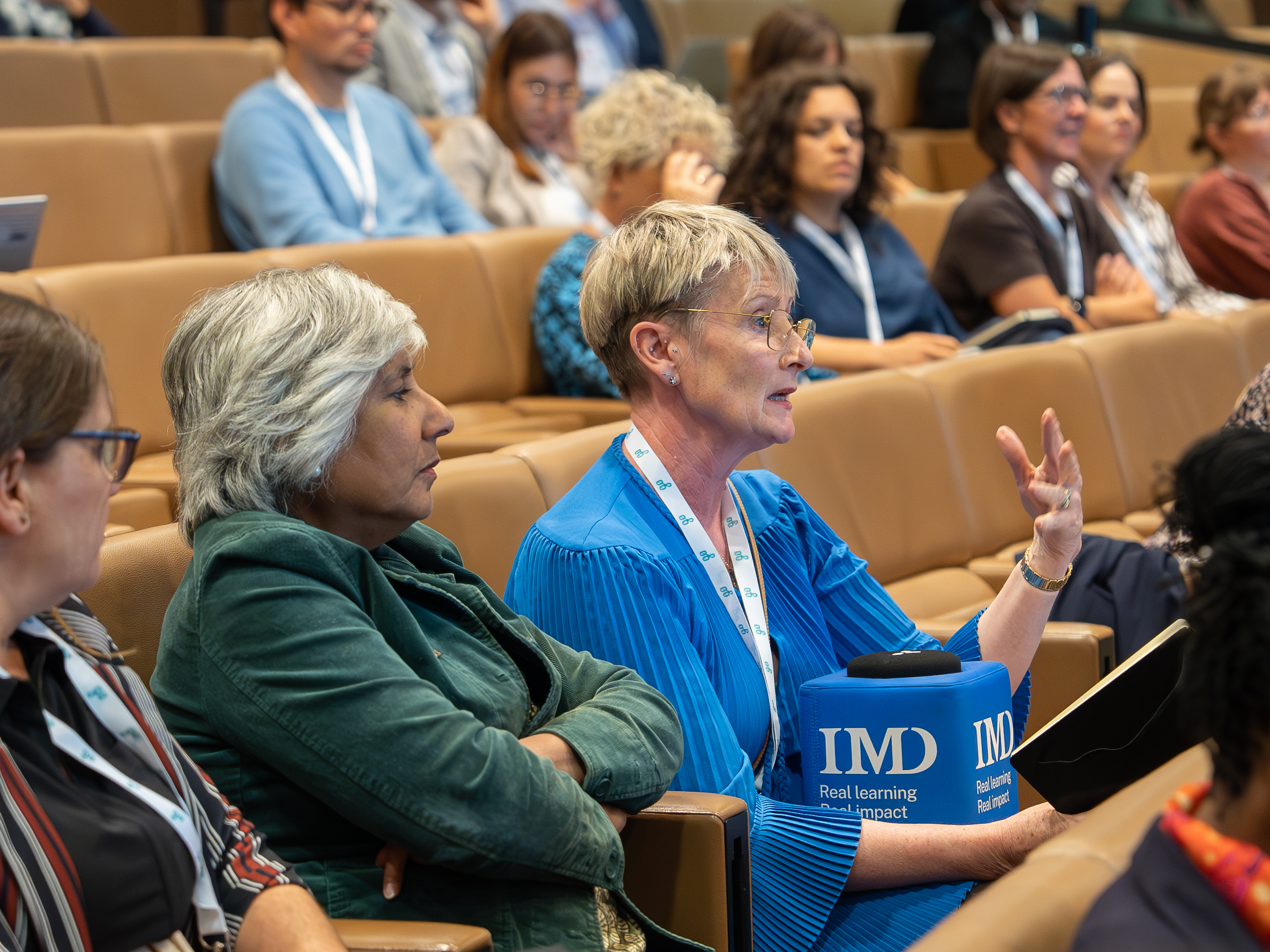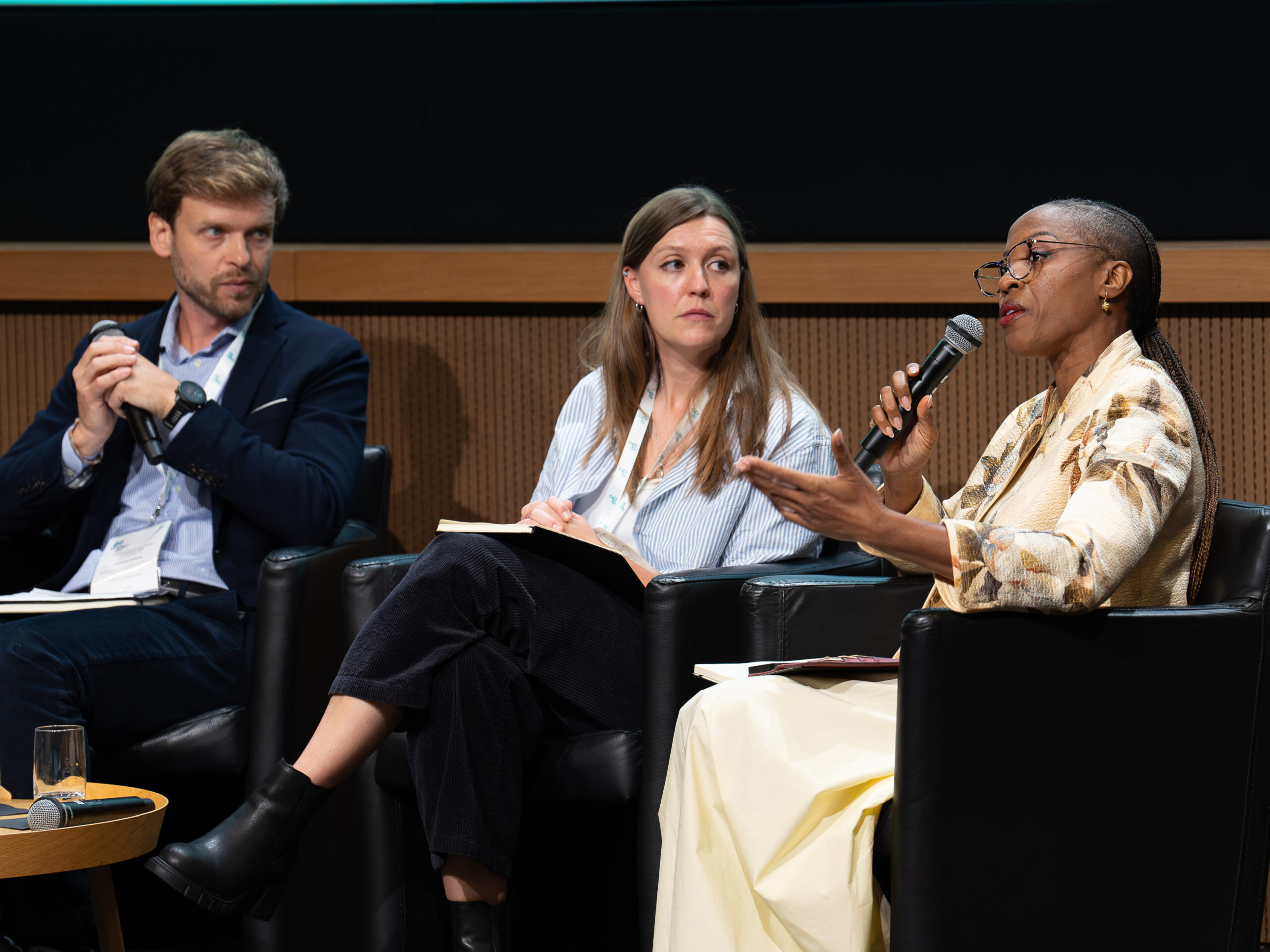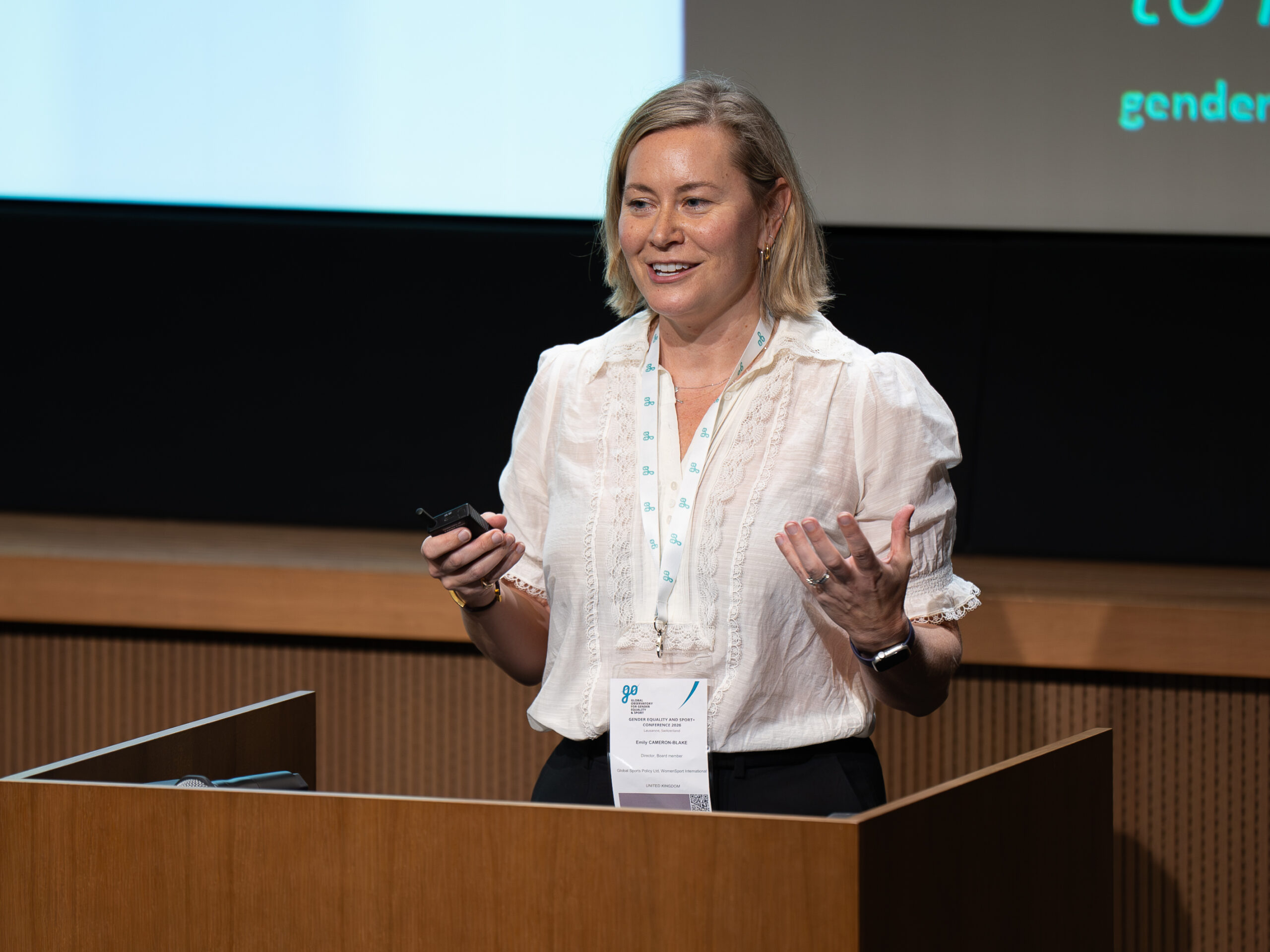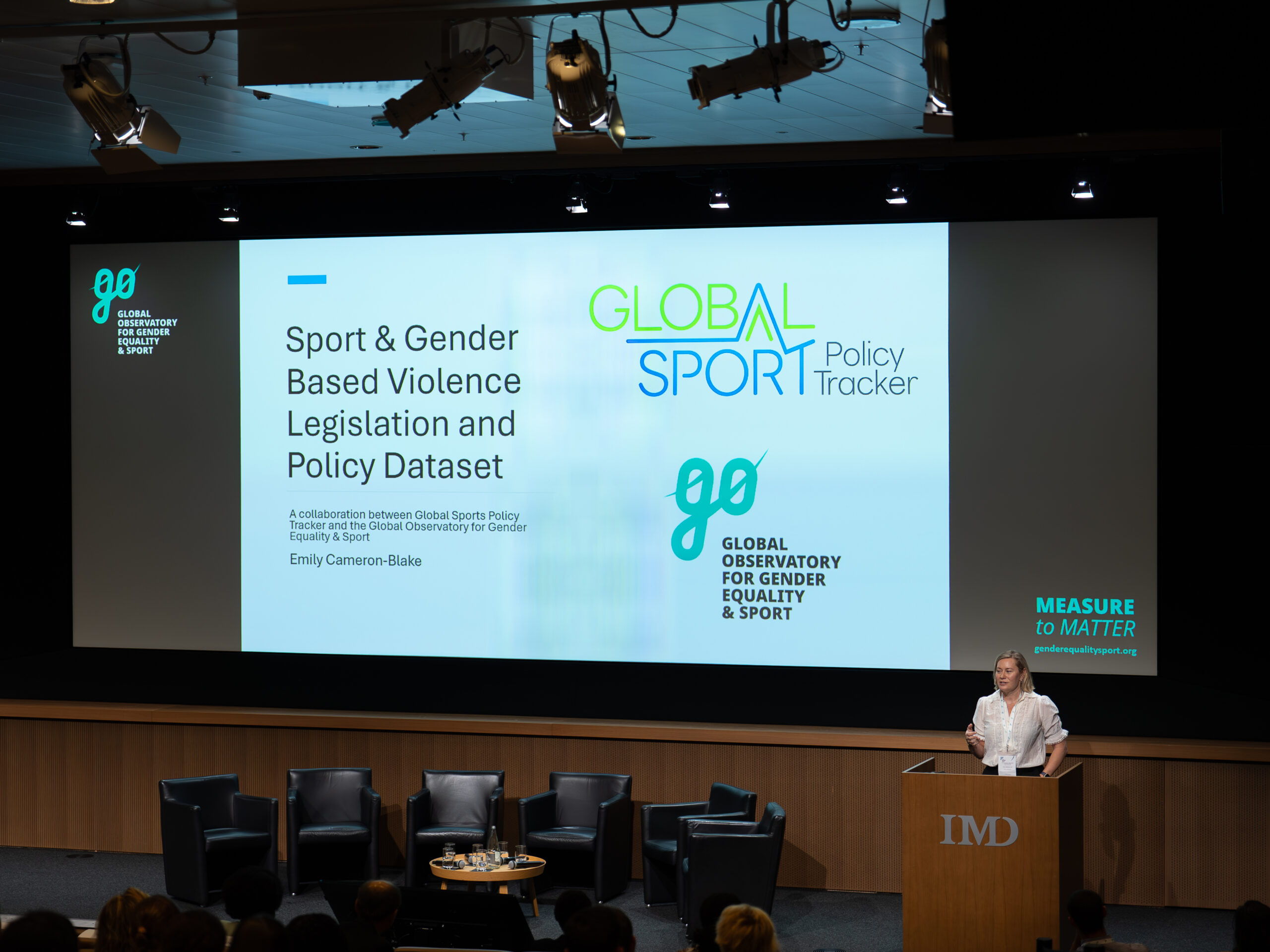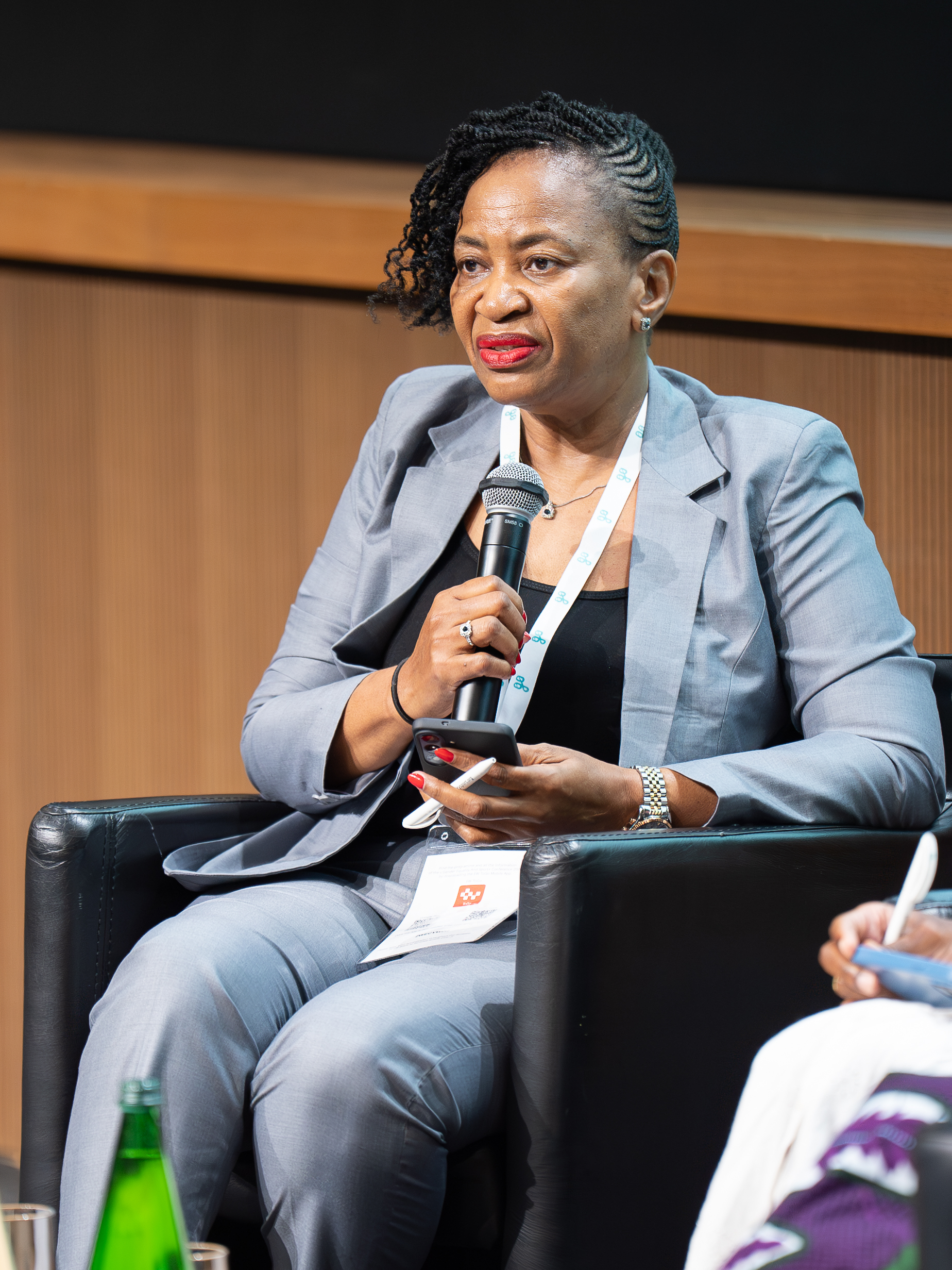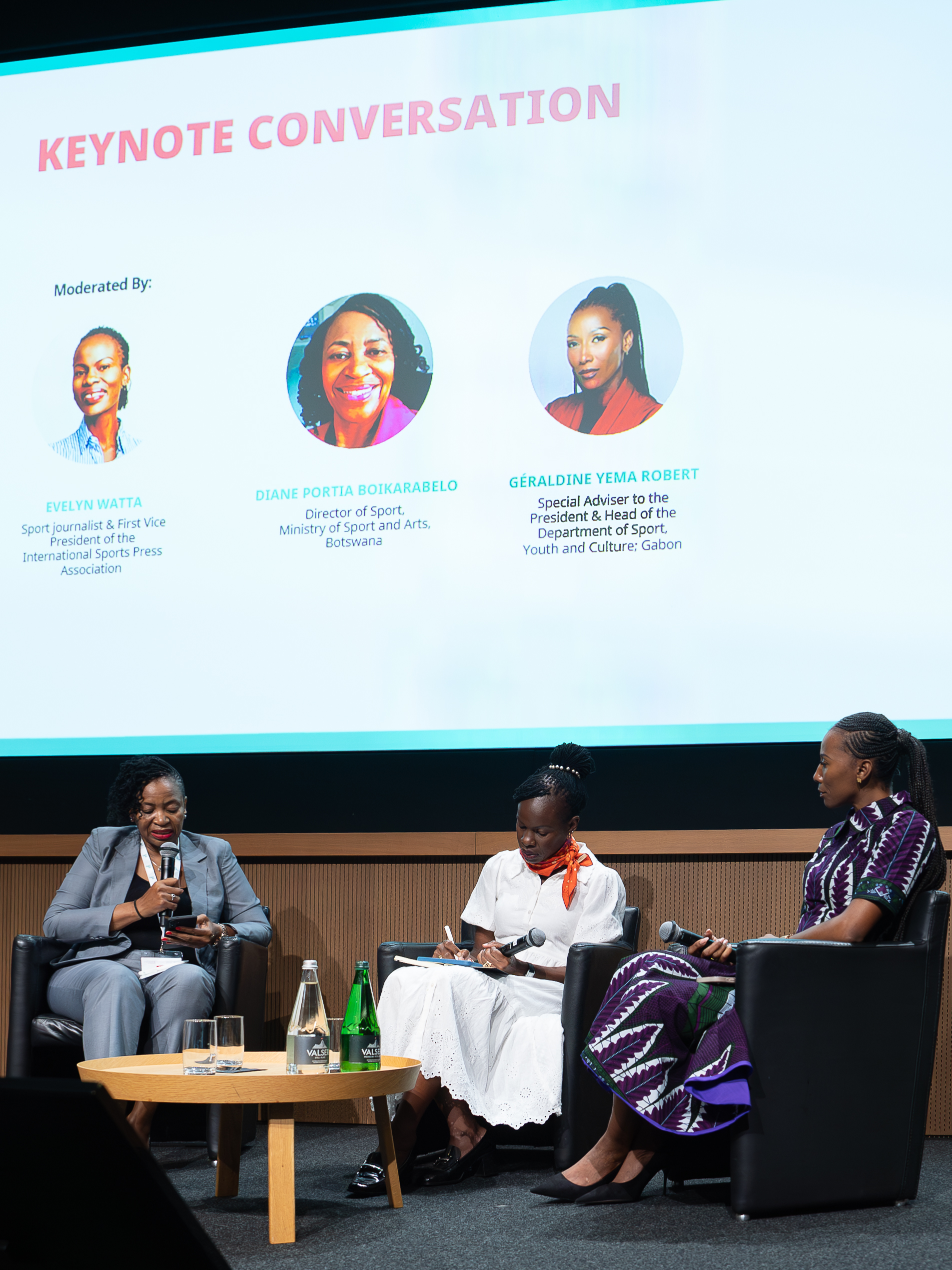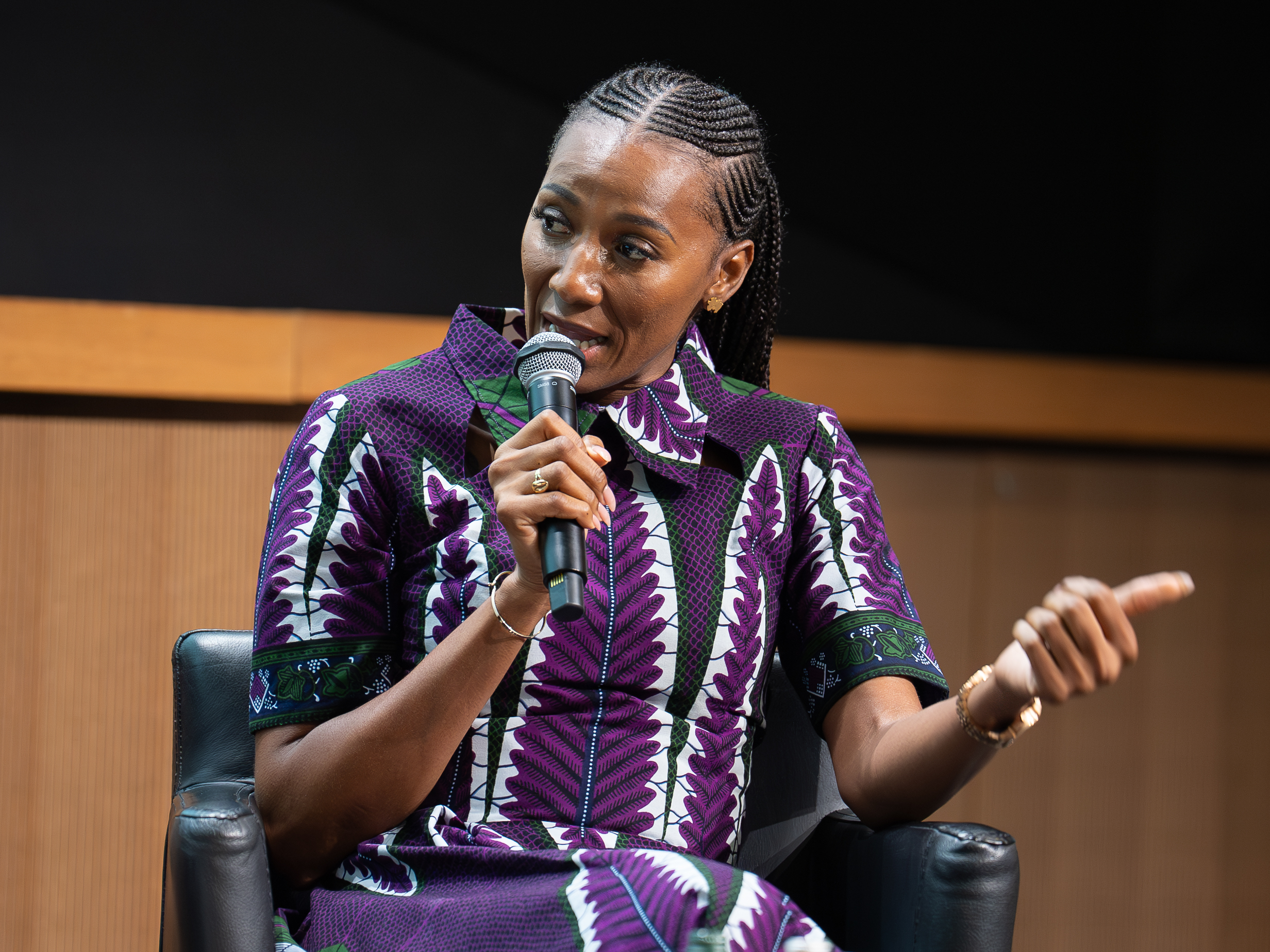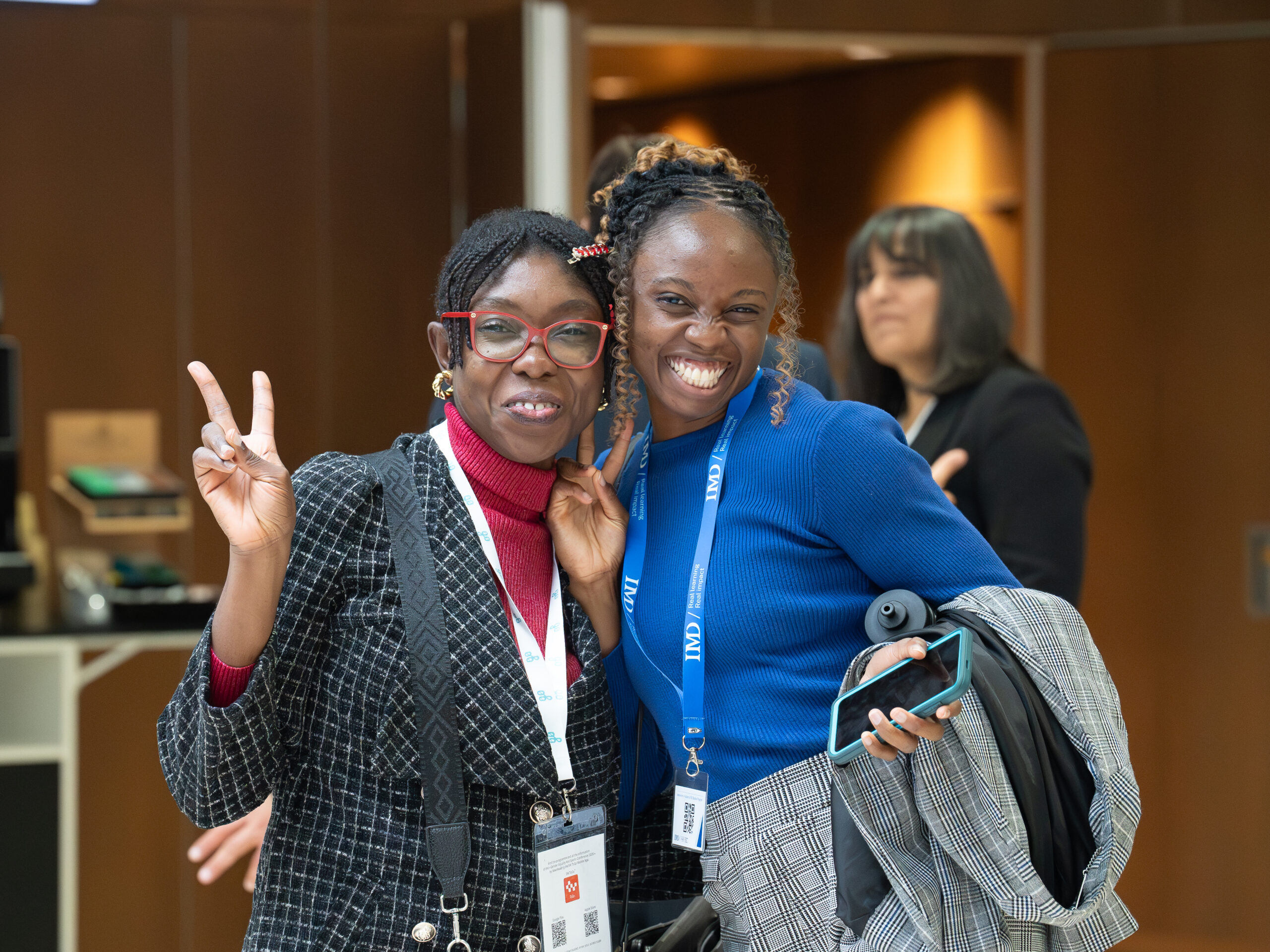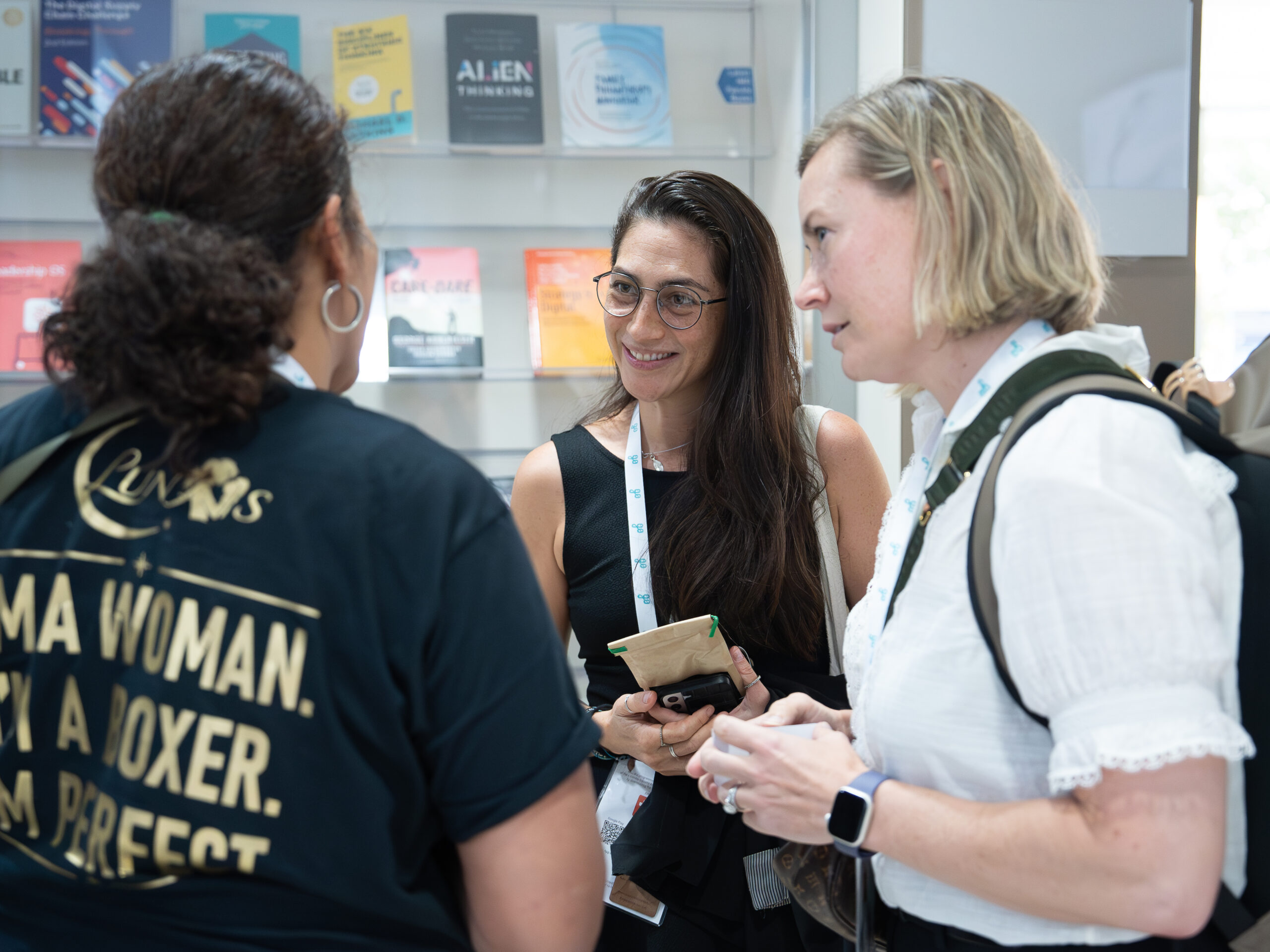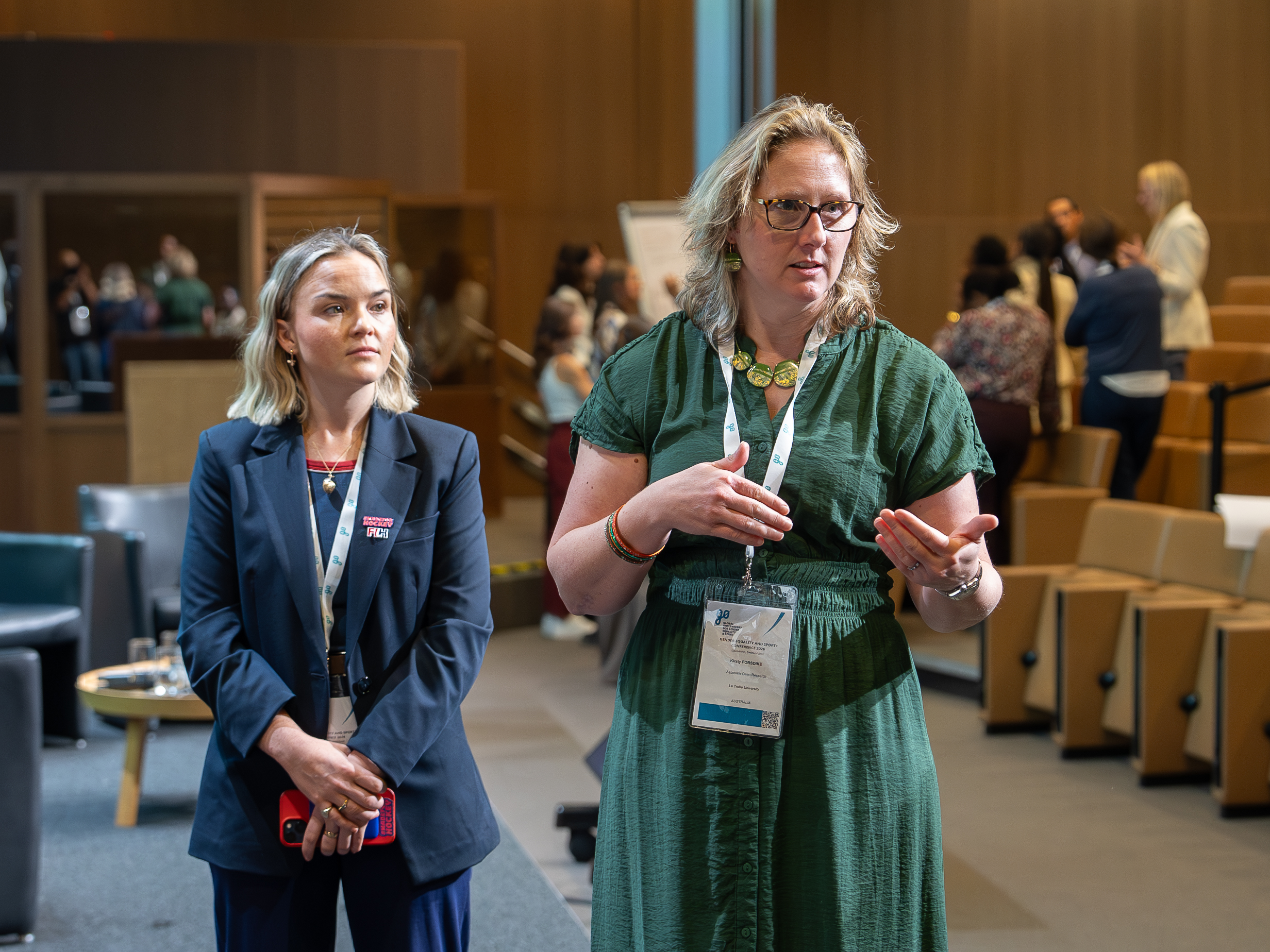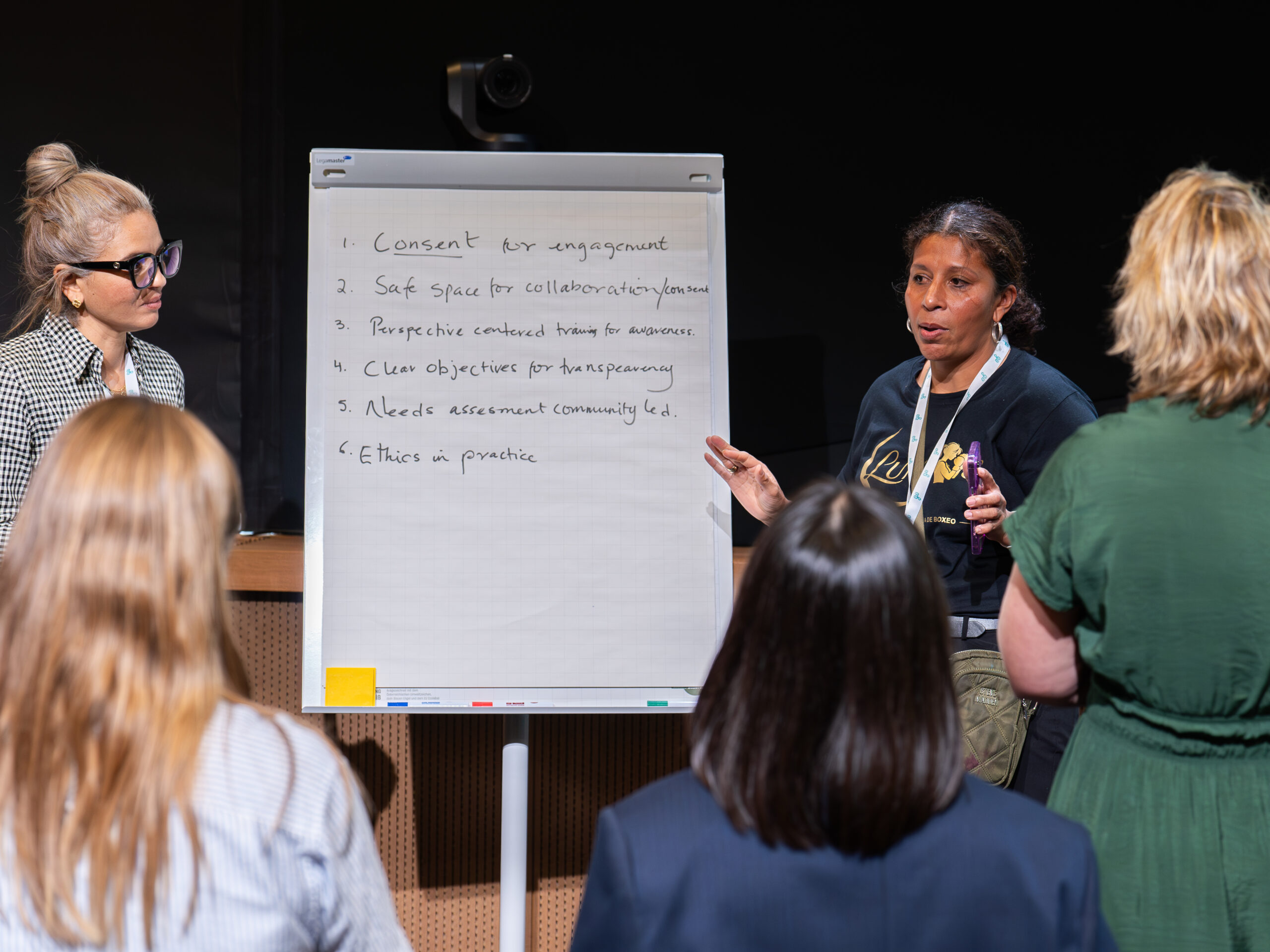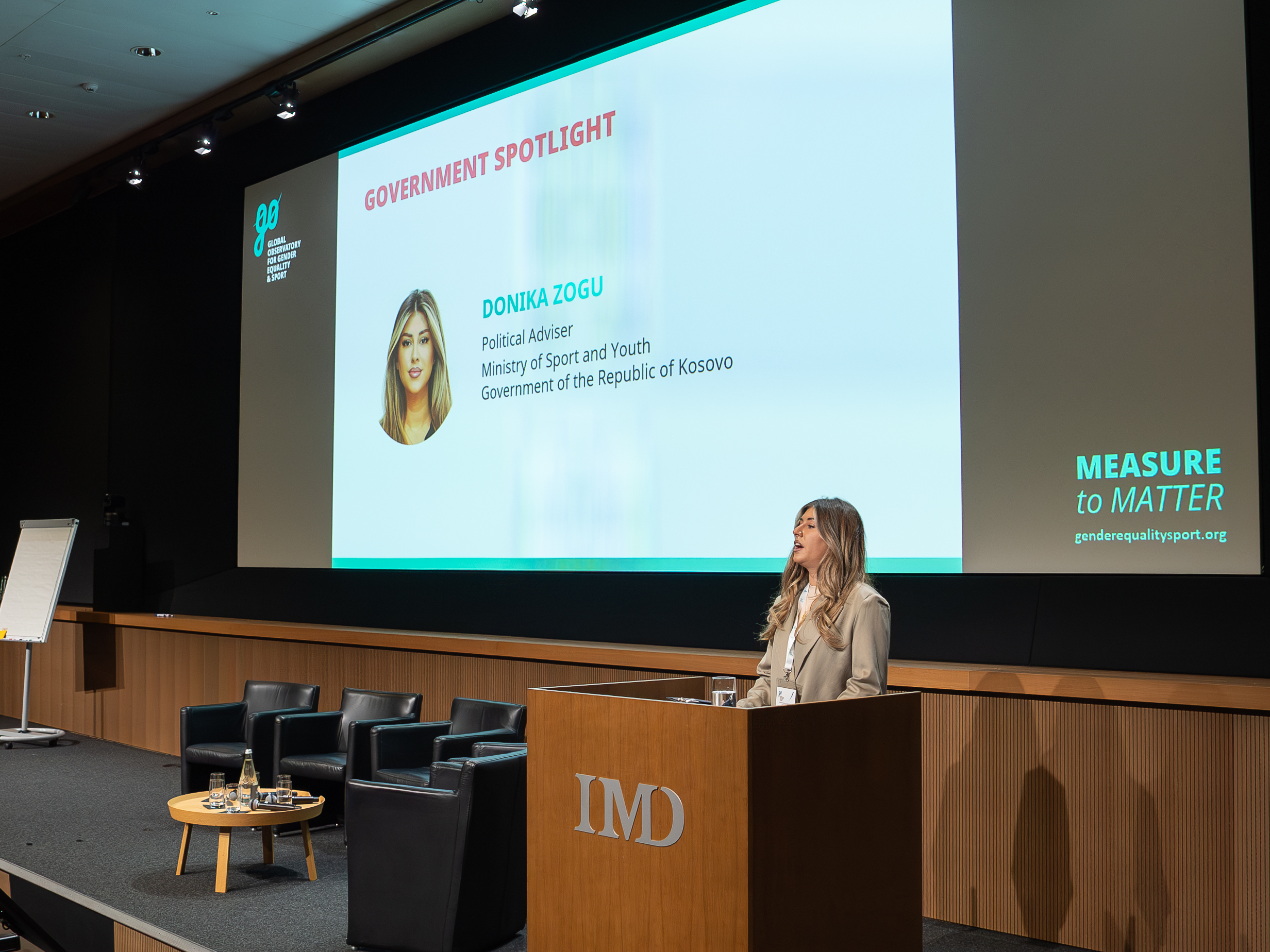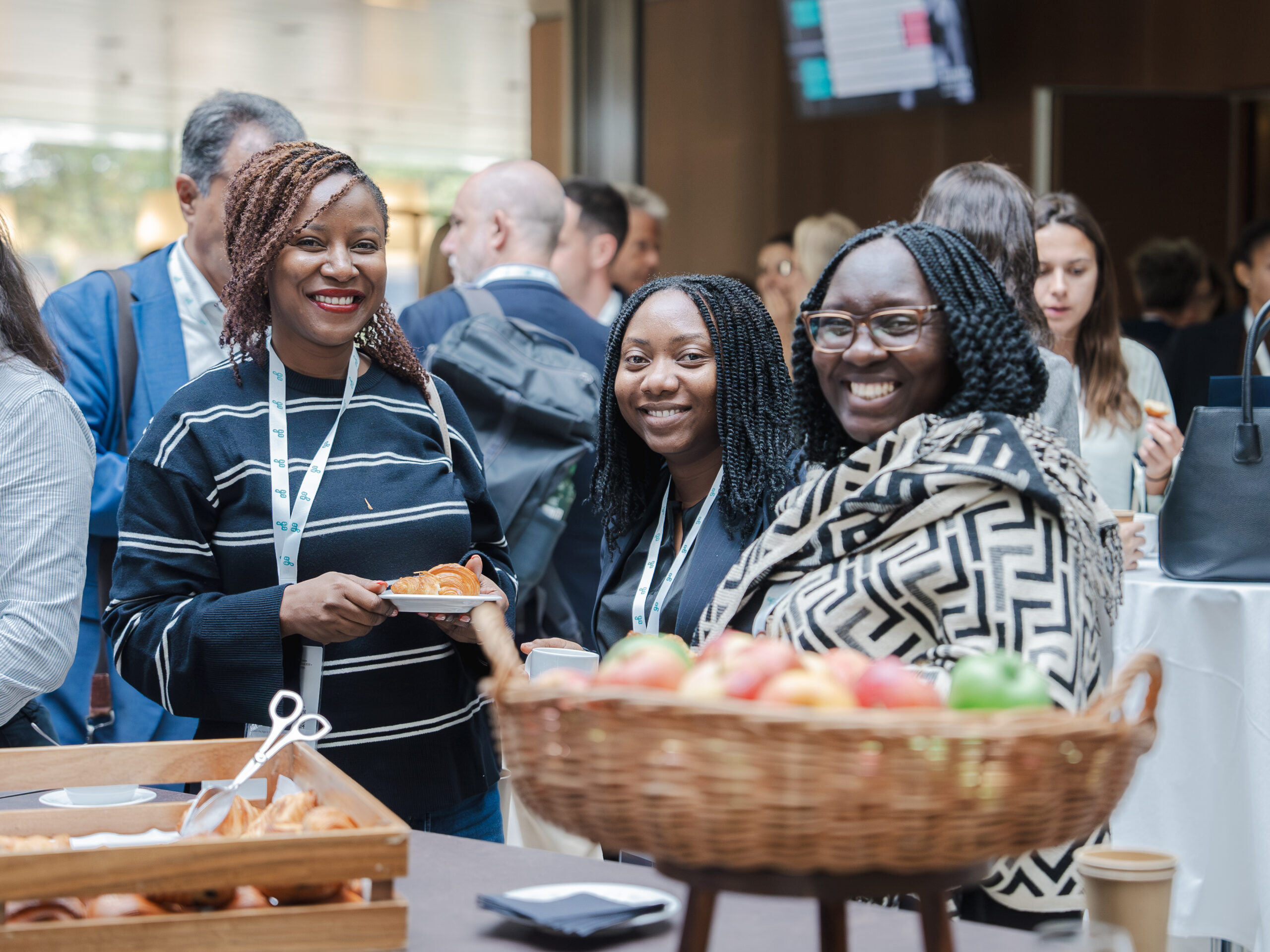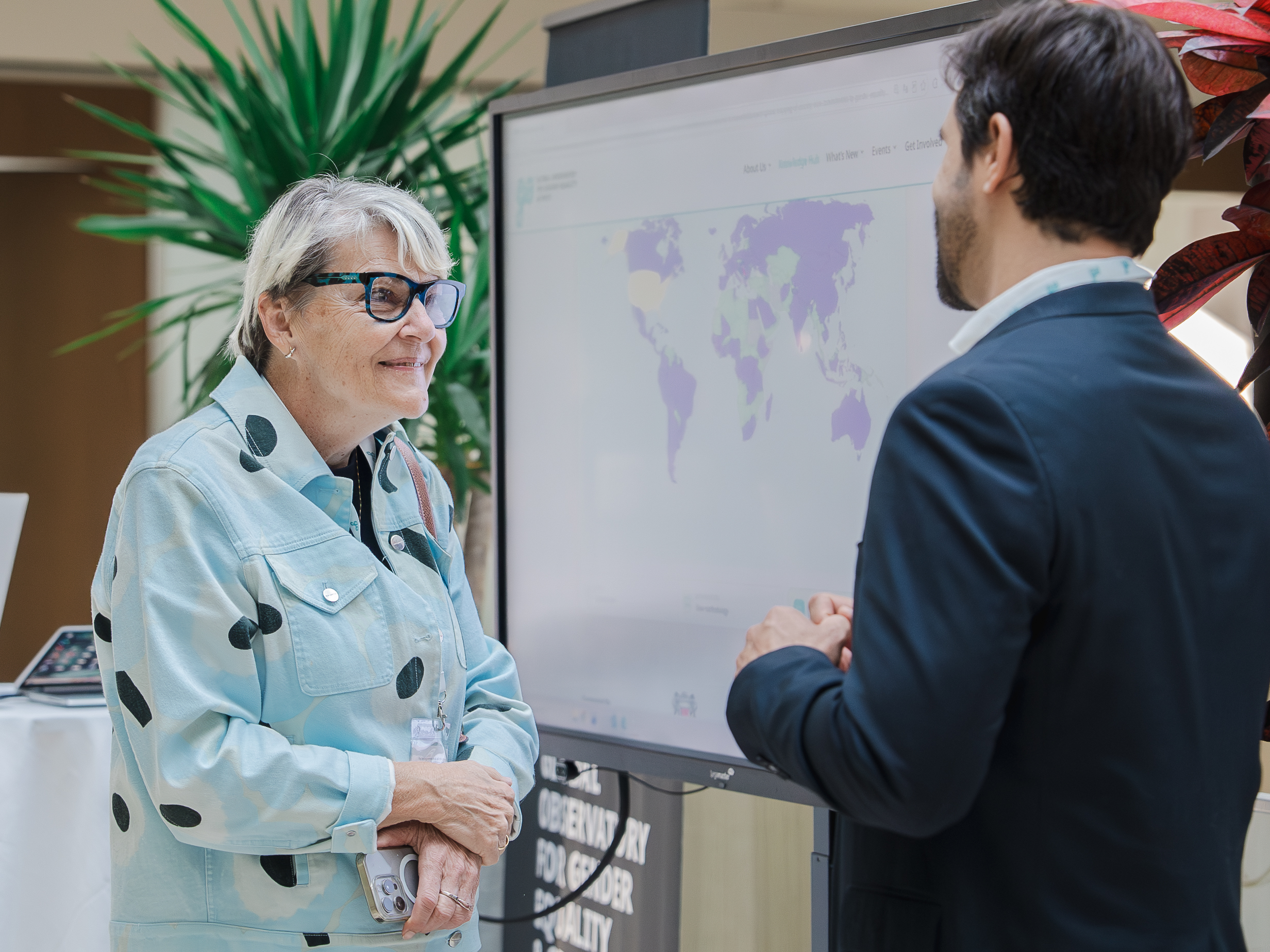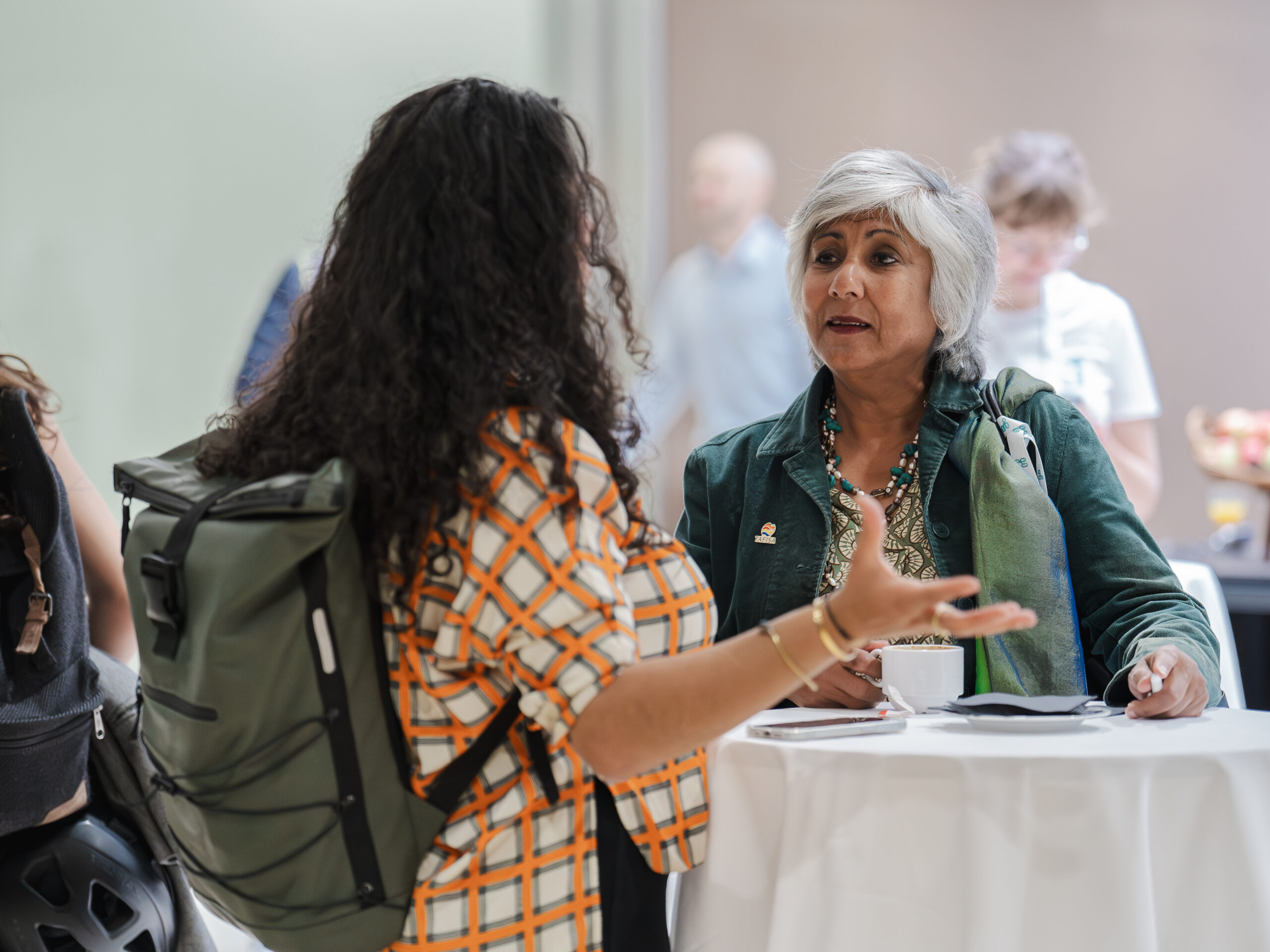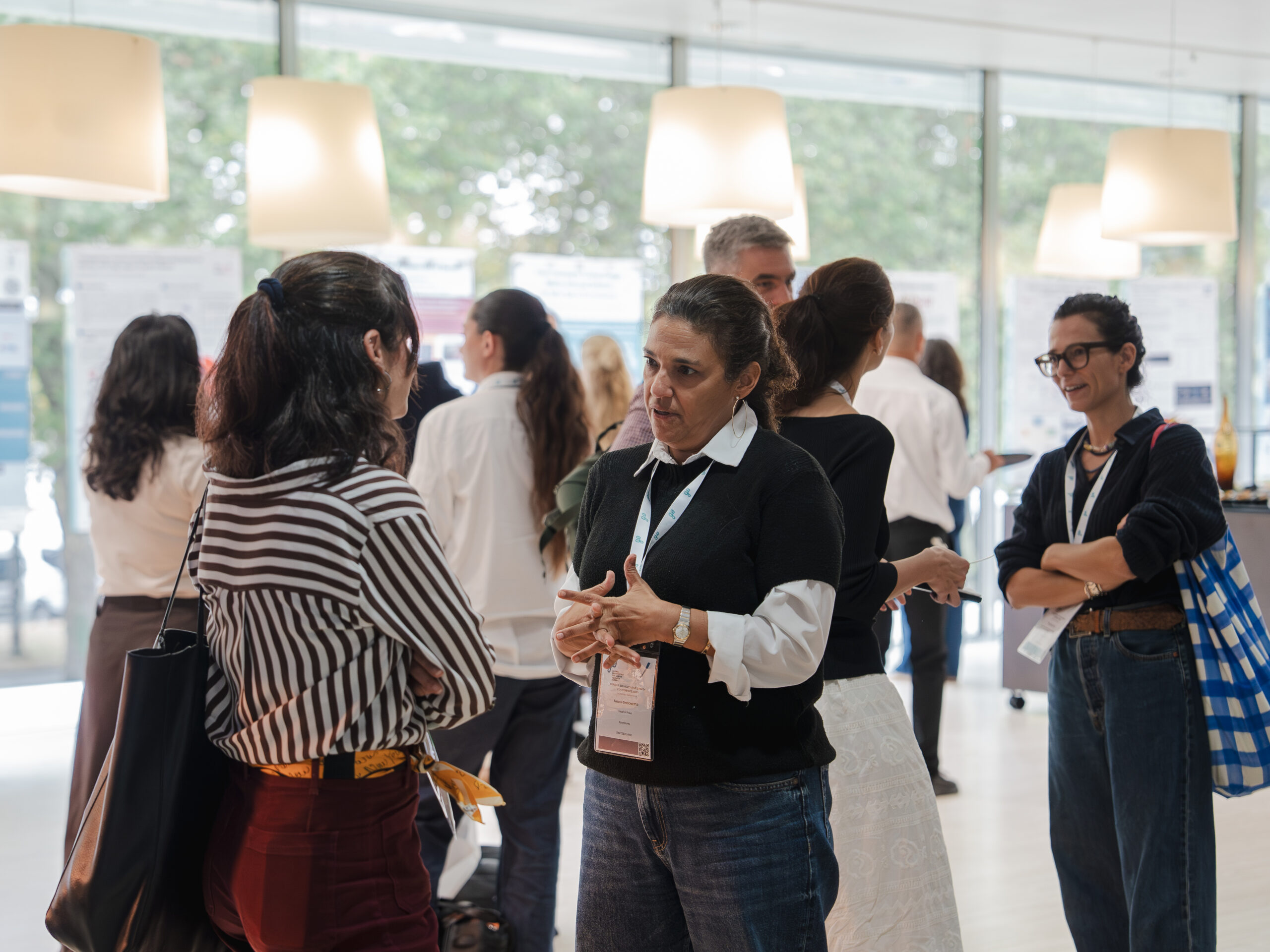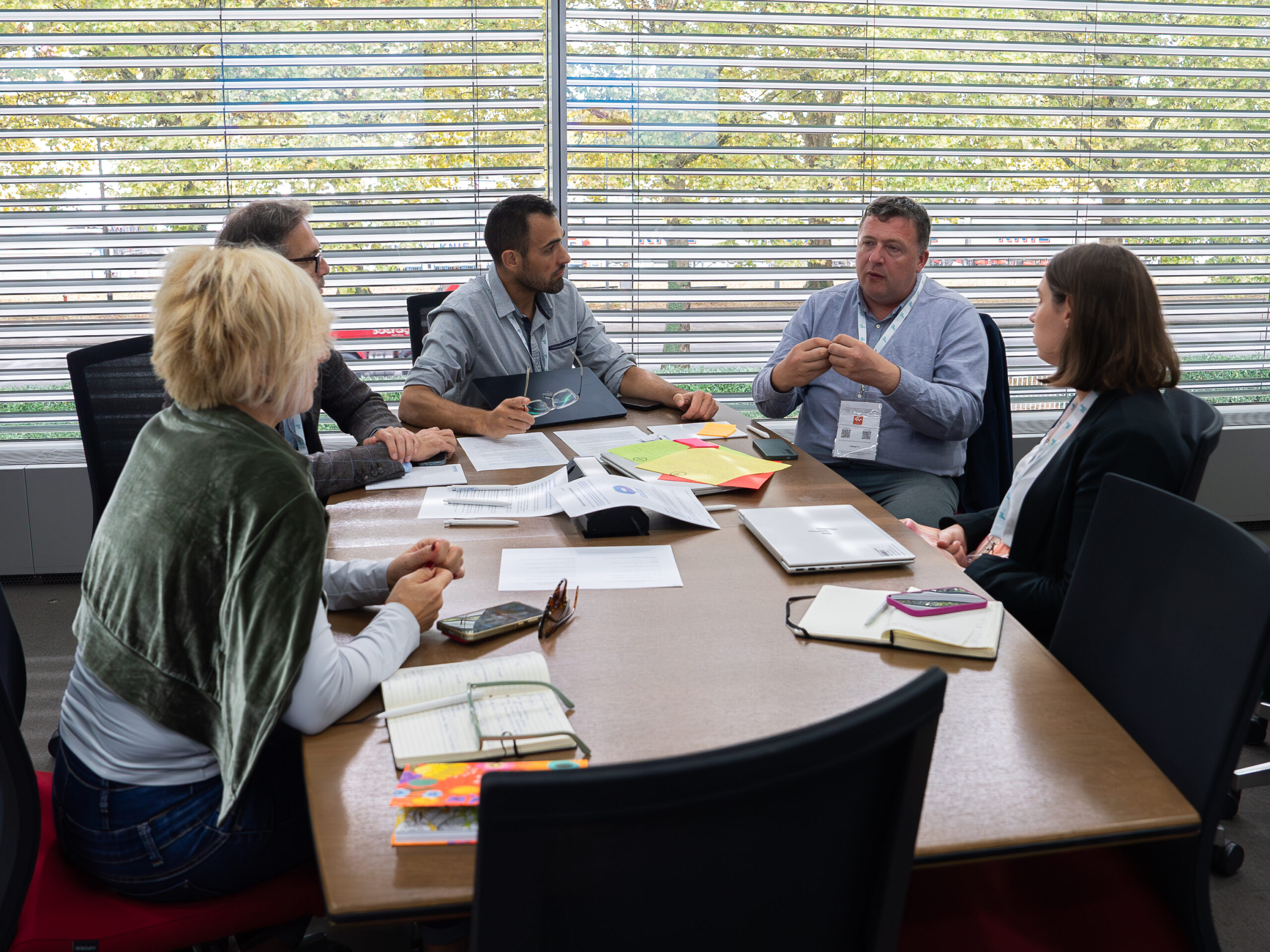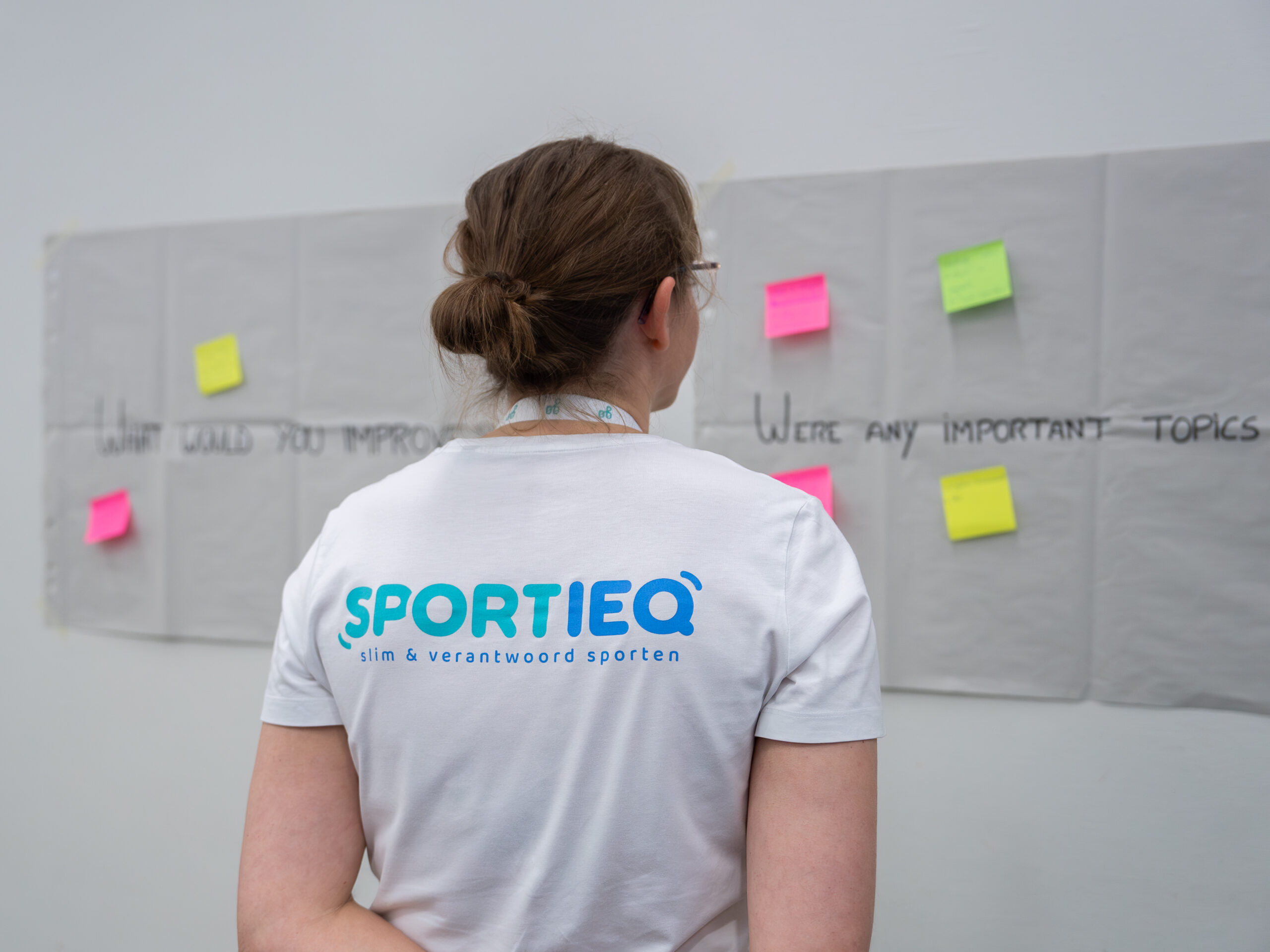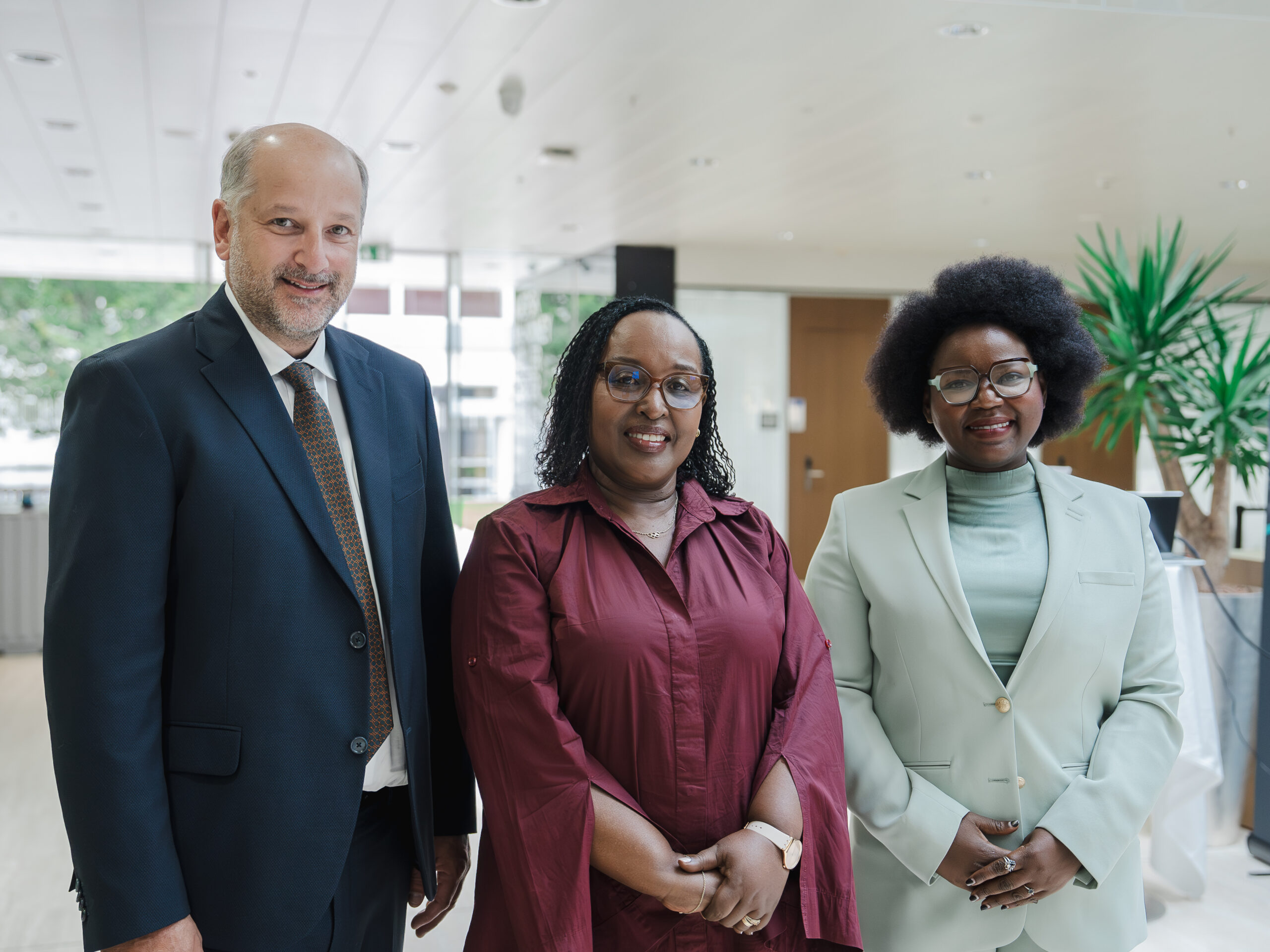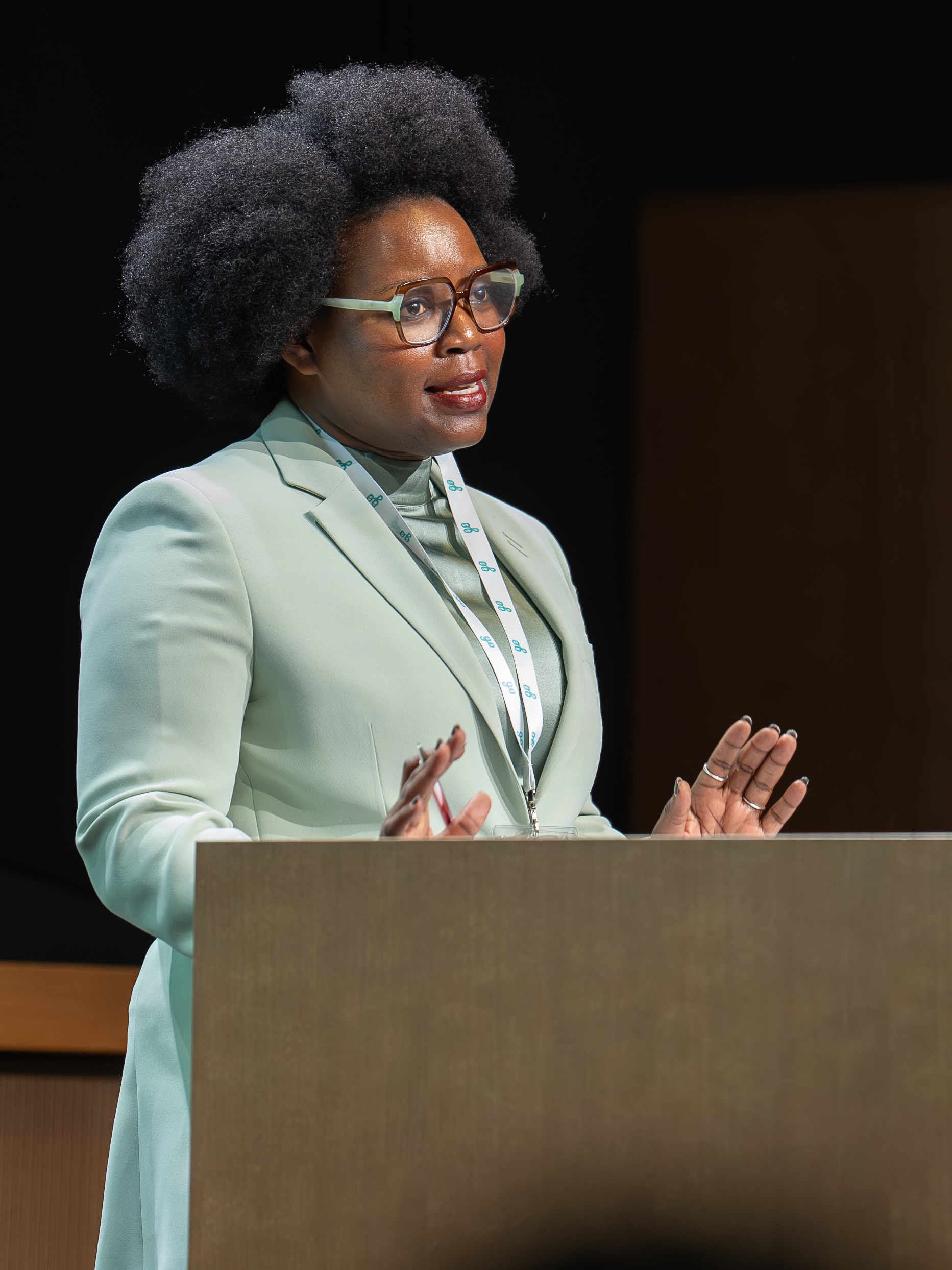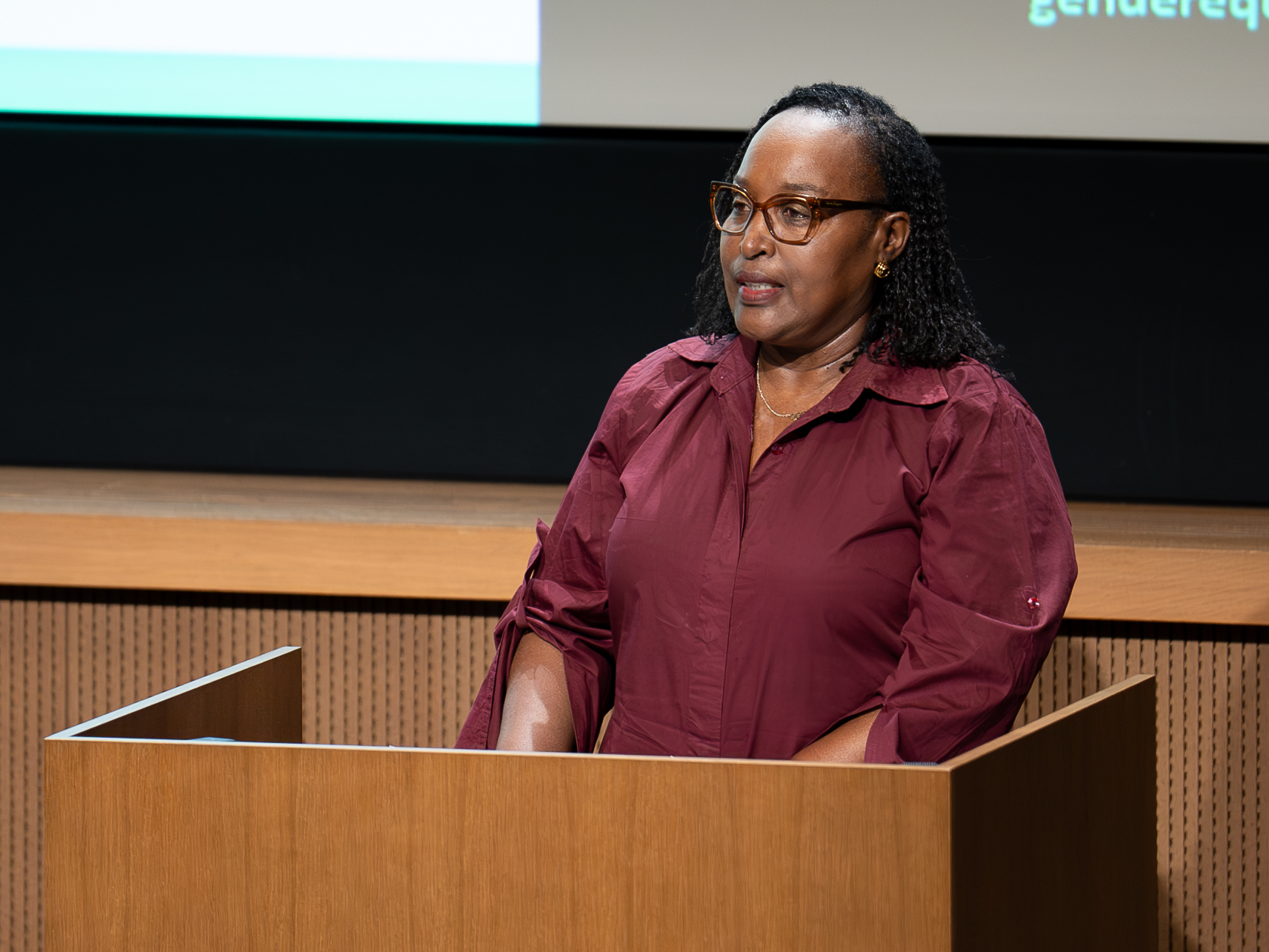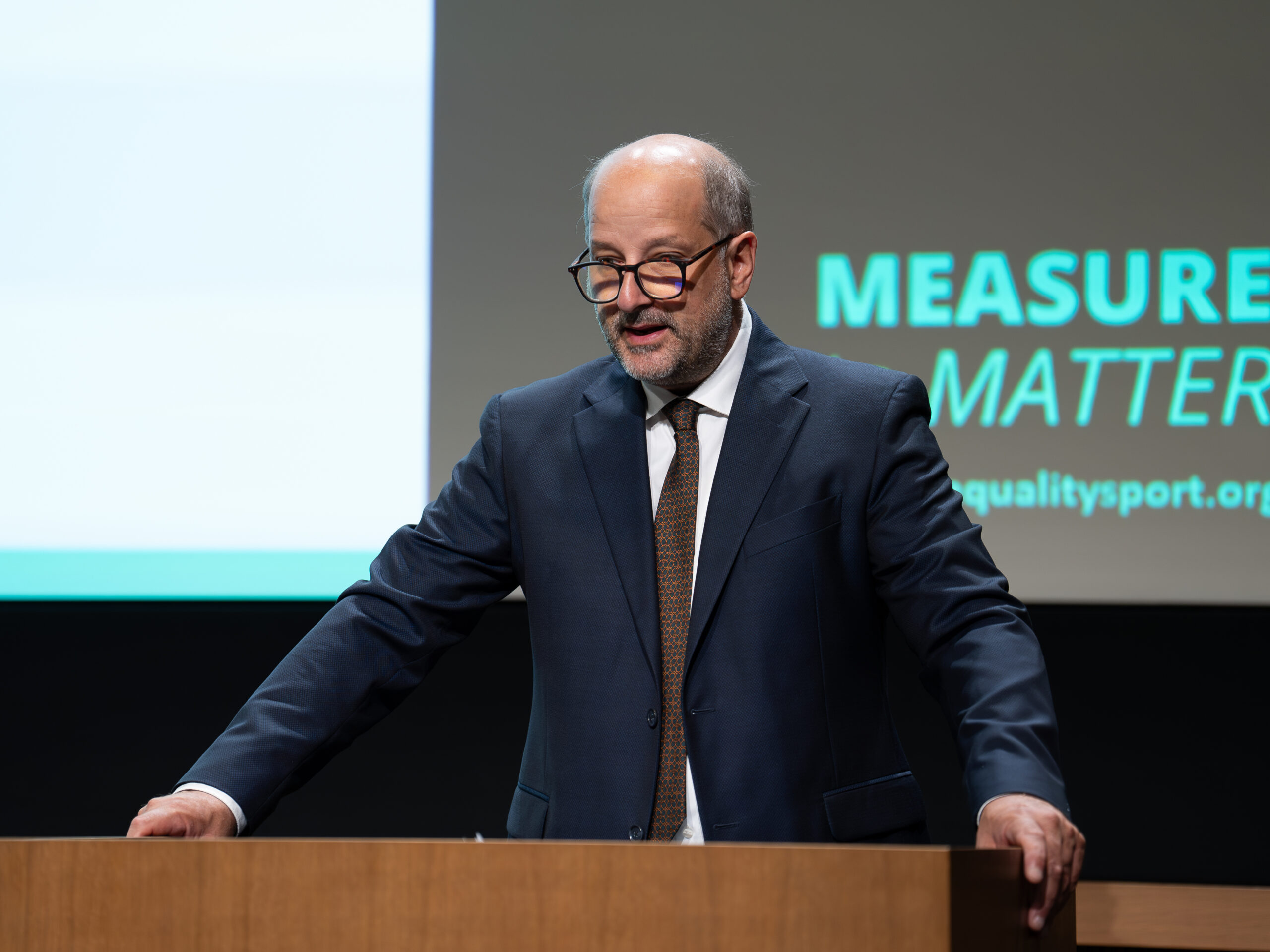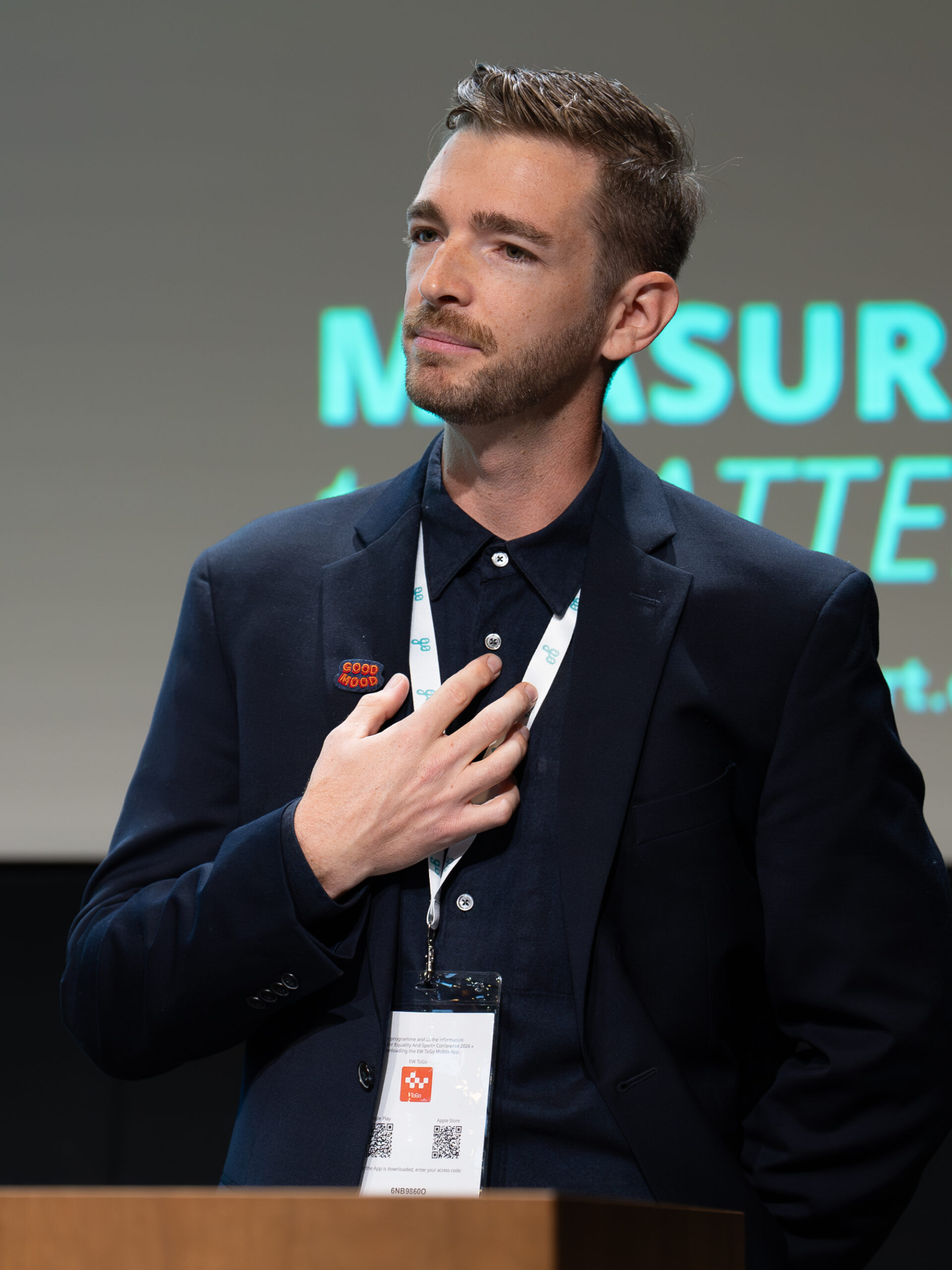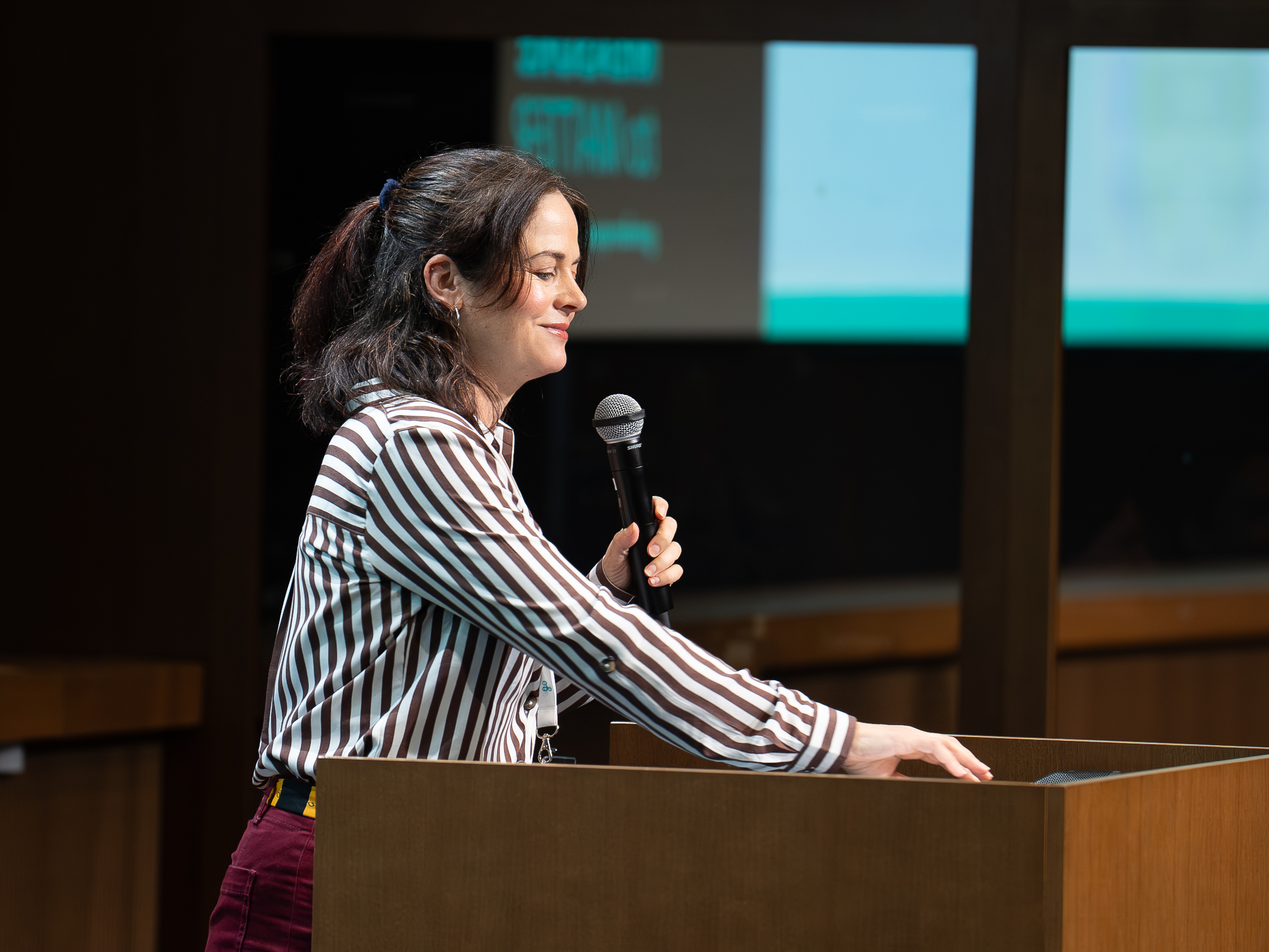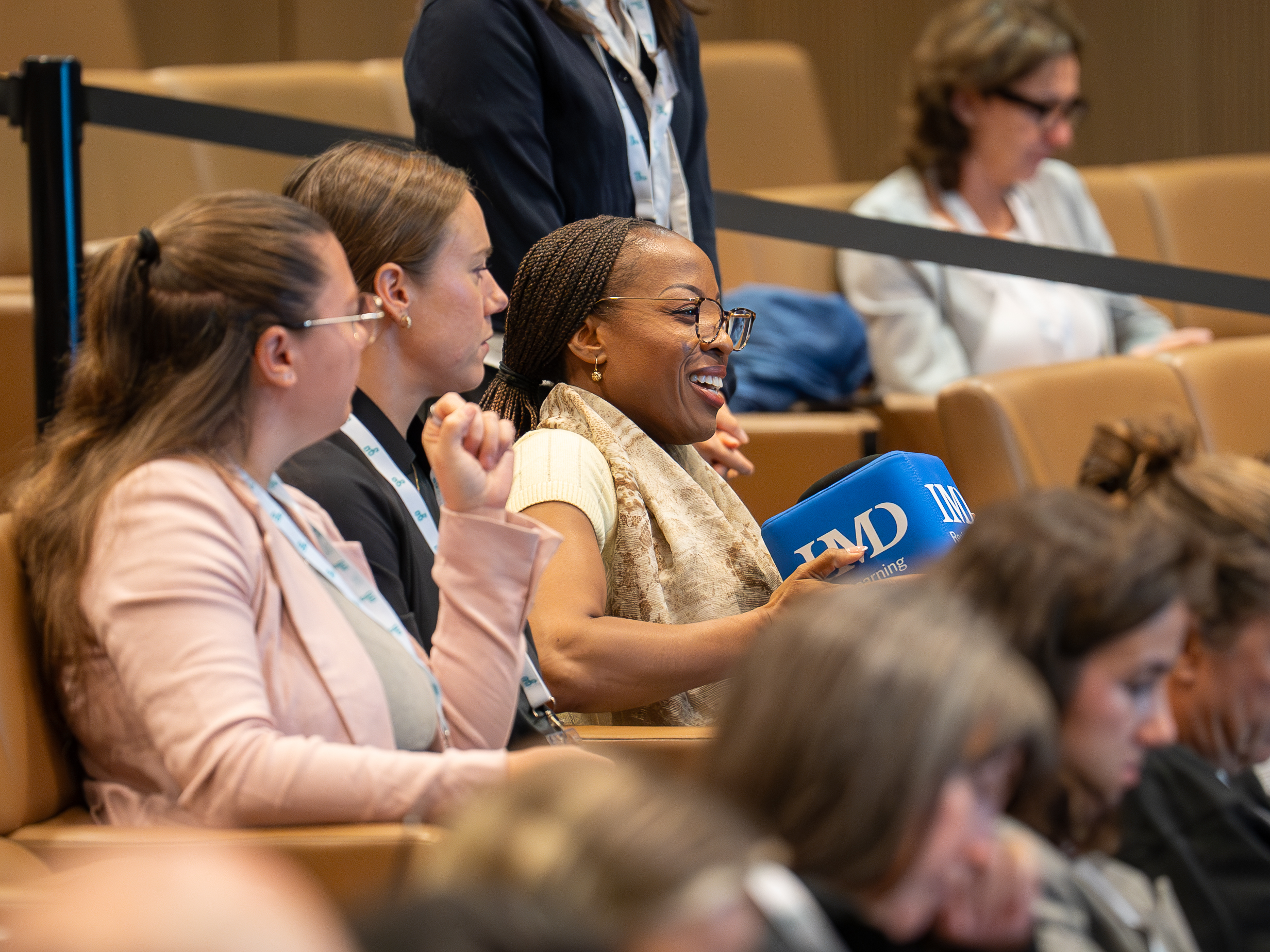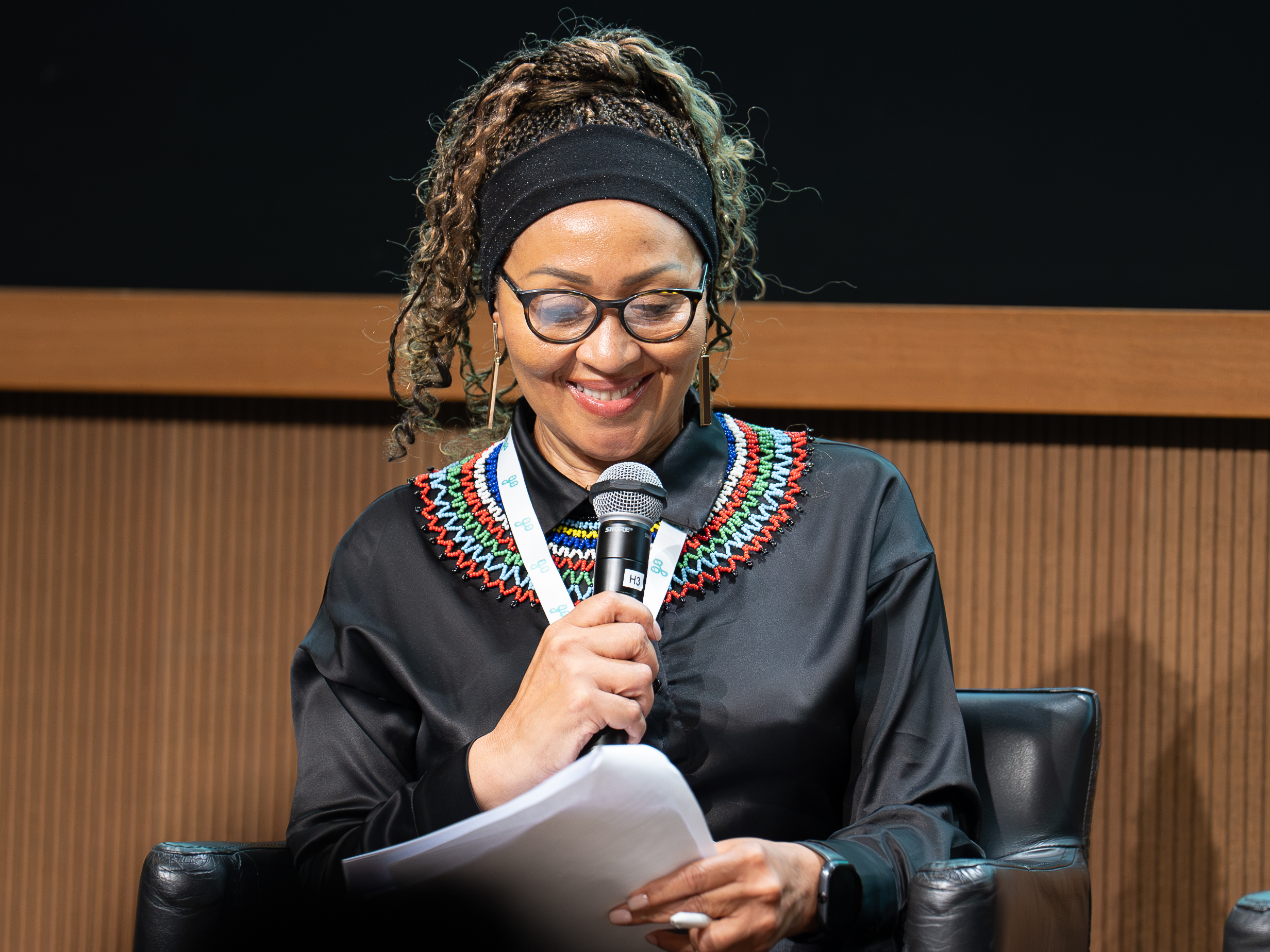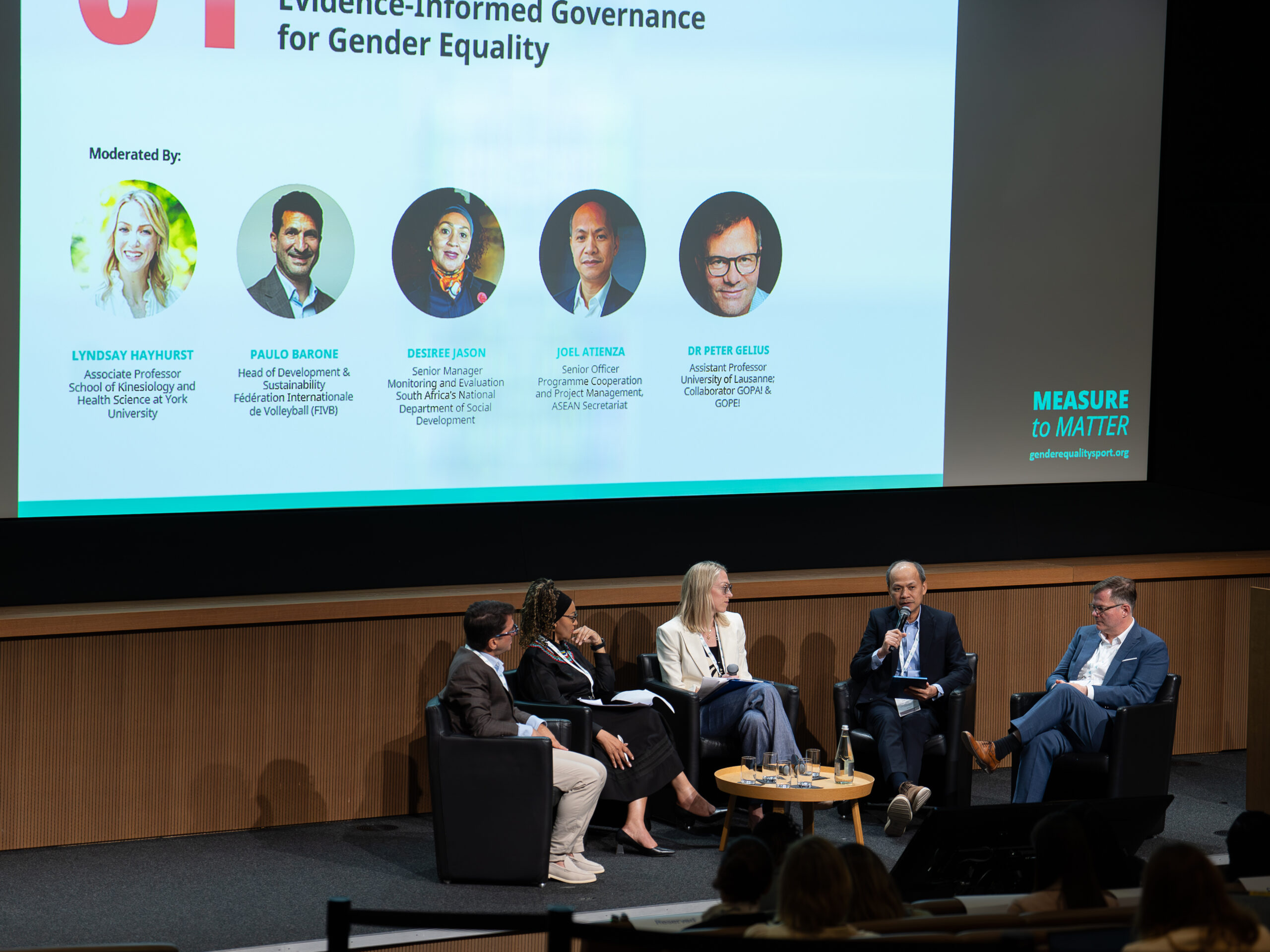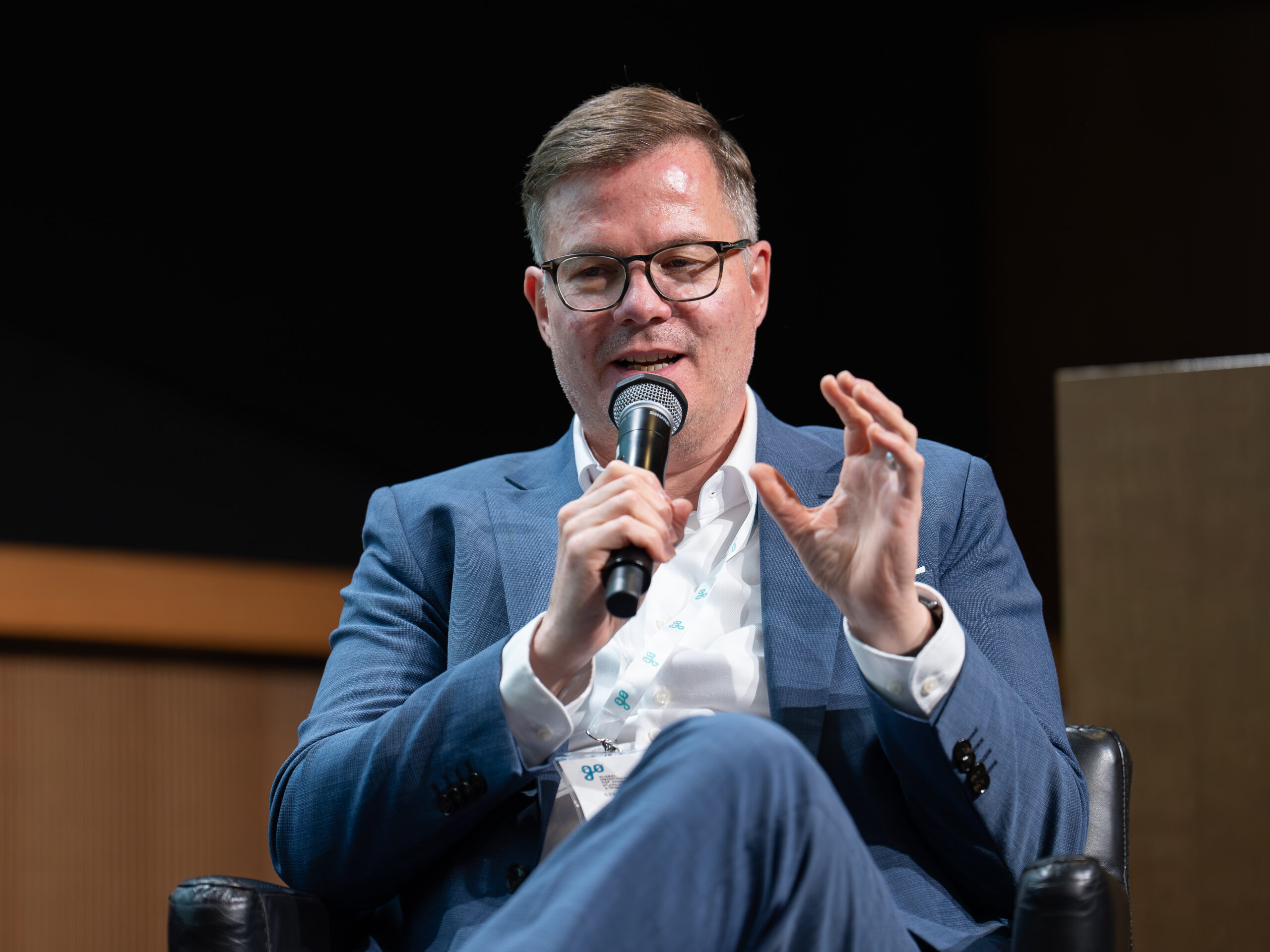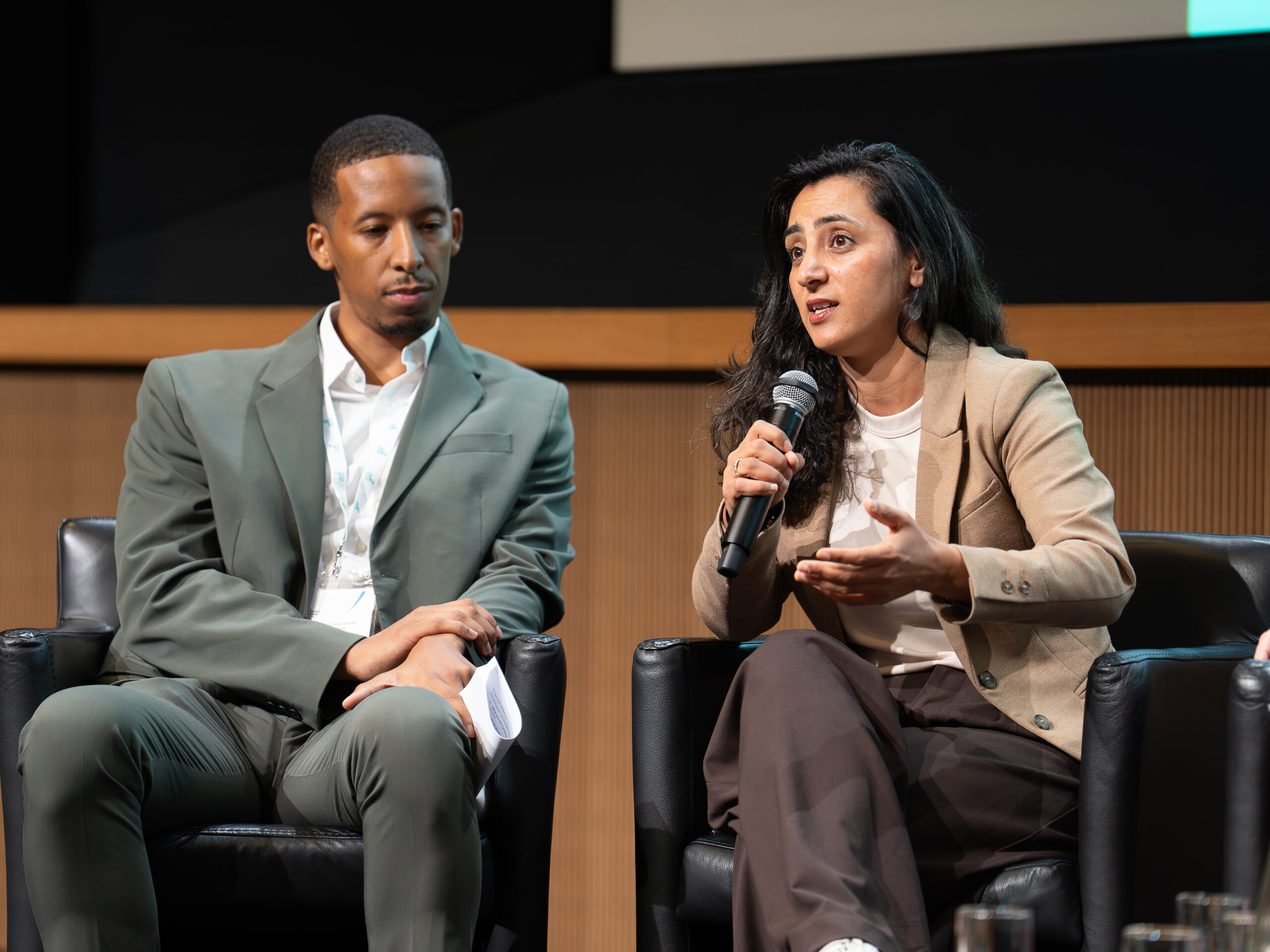
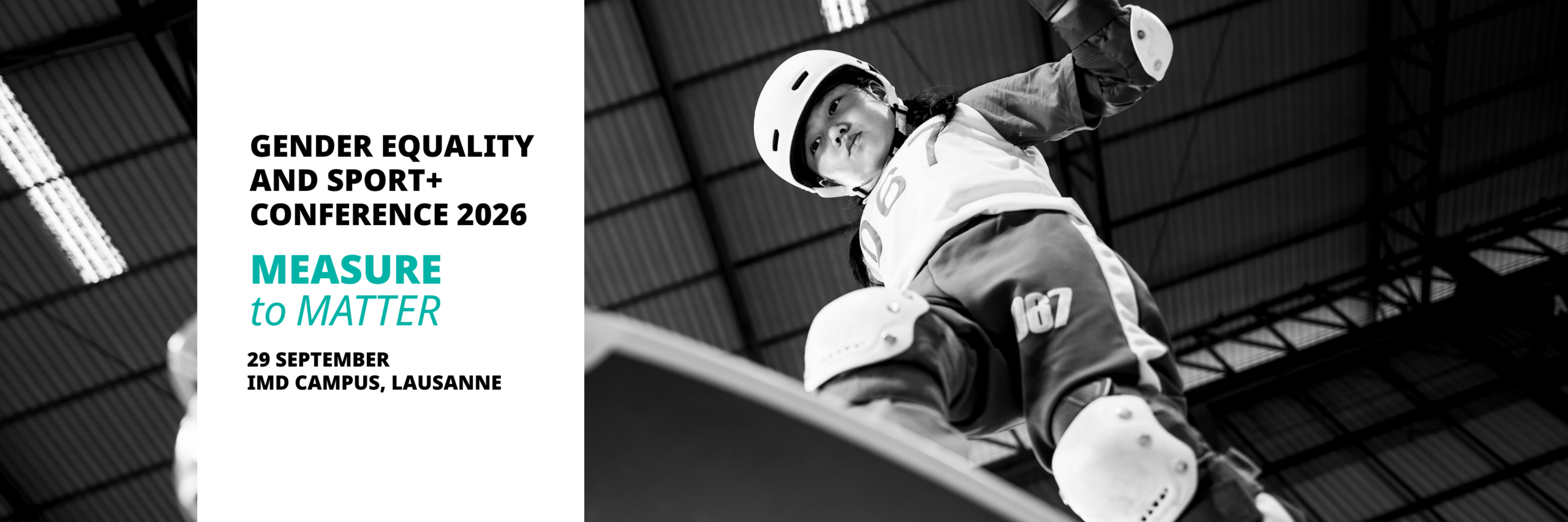
The Annual Conference of the Global Observatory for Gender Equality & Sport (GO) will convene government representatives, researchers, associations, UN Agencies, International Sports Federations, and civil society leaders to examine how measurement and evidence can strengthen governance for gender equality in sport+.

The conference will explore whether, which, and how evidence informs policy formulation, implementation, and impact, bringing together diverse stakeholders to advance evidence-informed approaches across sectors and governance levels.

The programme focuses on:

  • Evidence-informed governance and its role in strengthening gender equality in sport+

  • Improved measurement of girls’ participation, empowerment, and health outcomes

  • Gender budgeting and investment for organisational and policy support and reform

Through a range of plenary discussions, hands-on activities and dedicated time for networking and exchange, the conference will foster dialogue across sectors and governance levels, supporting collective efforts to ensure that measurement meaningfully contributes to sustainable gender equality outcomes. 

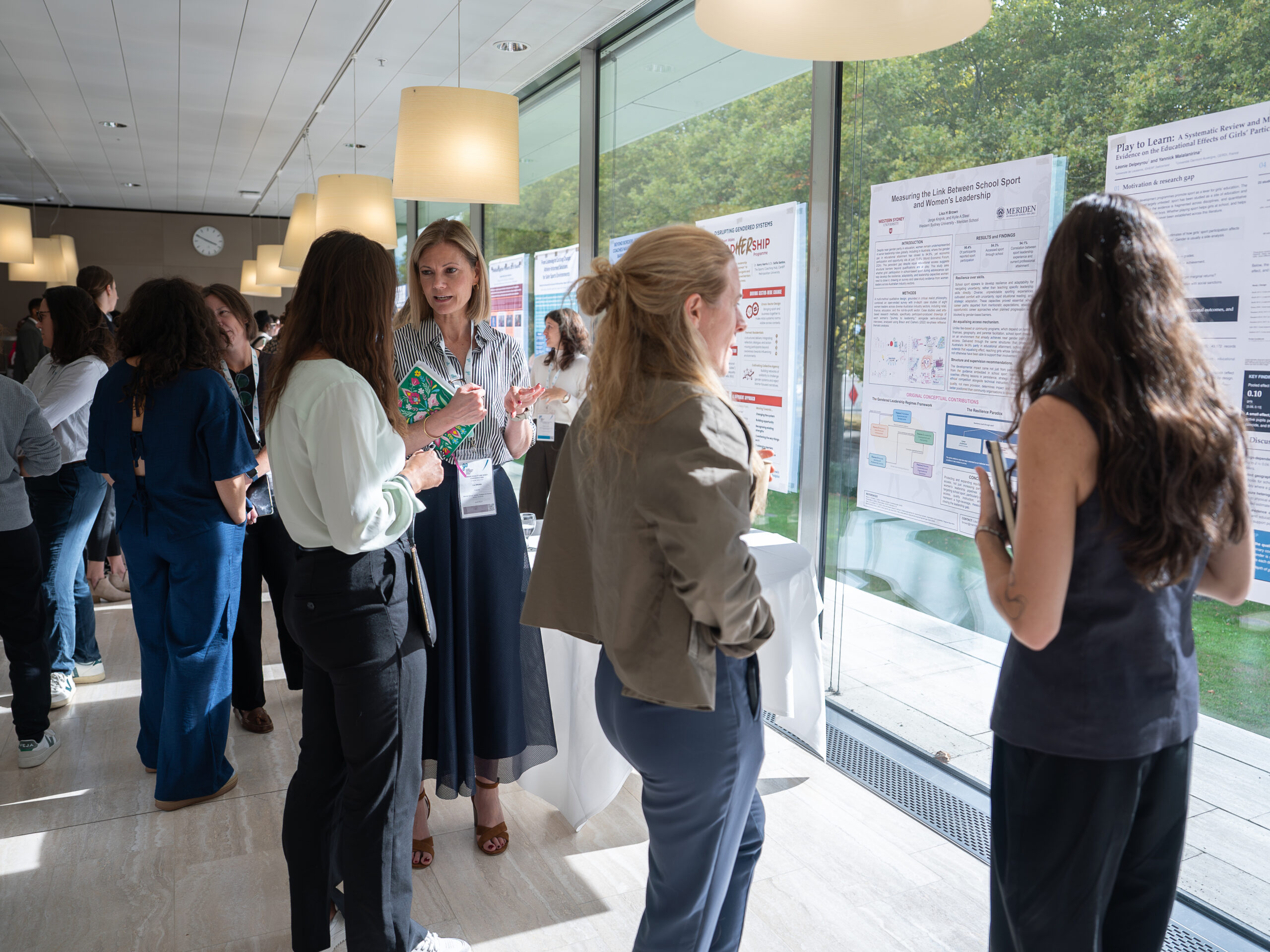
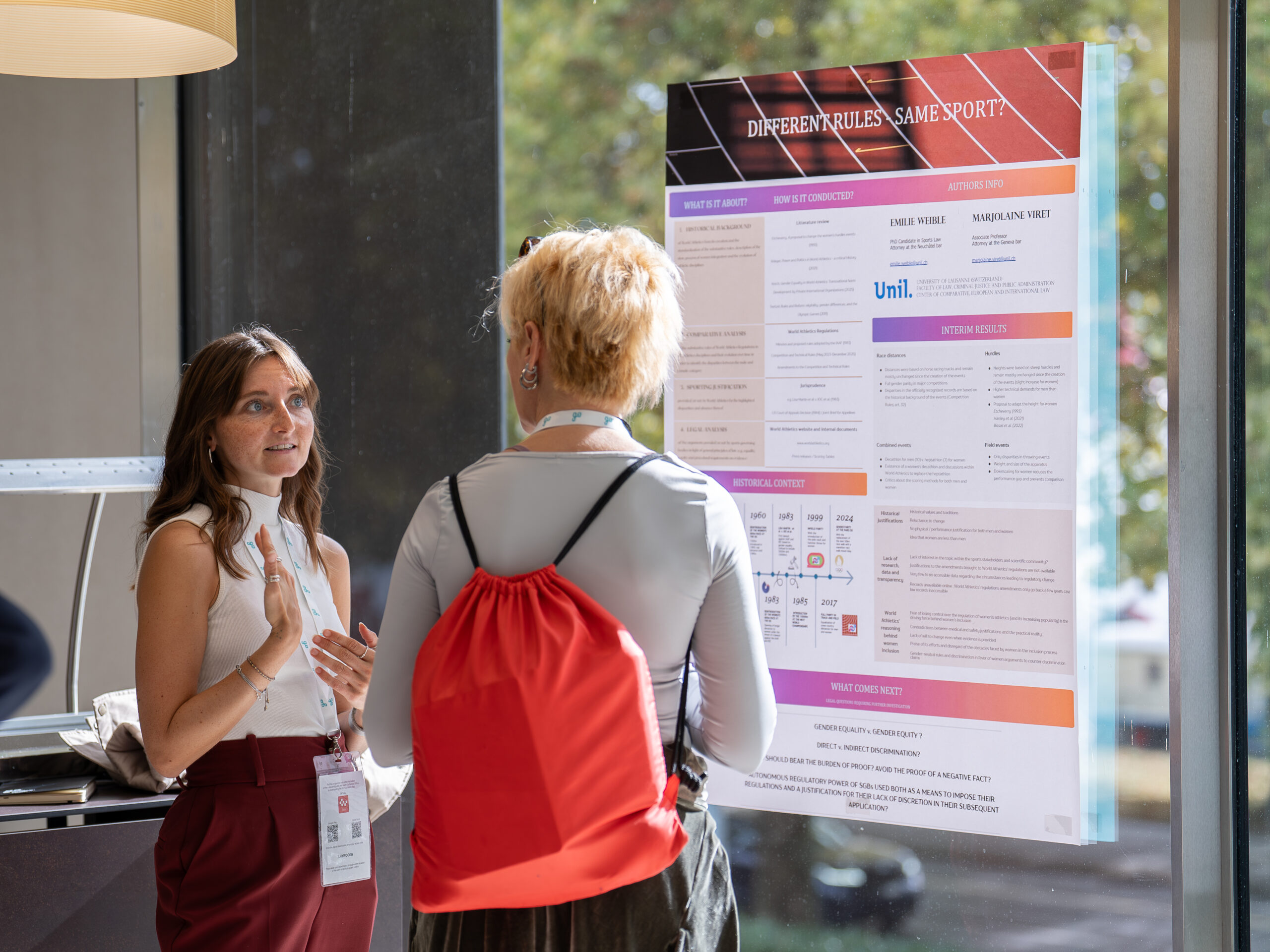
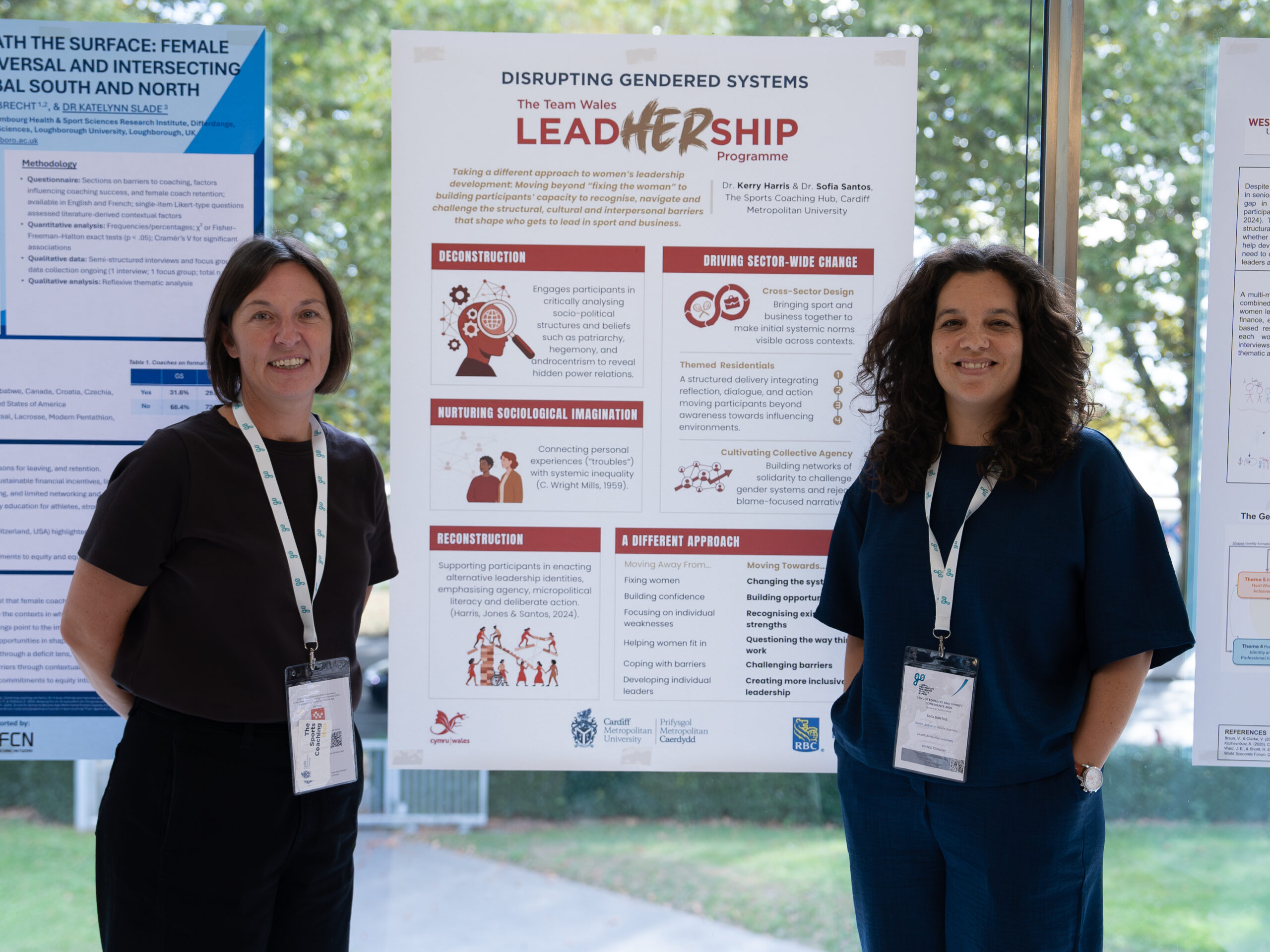
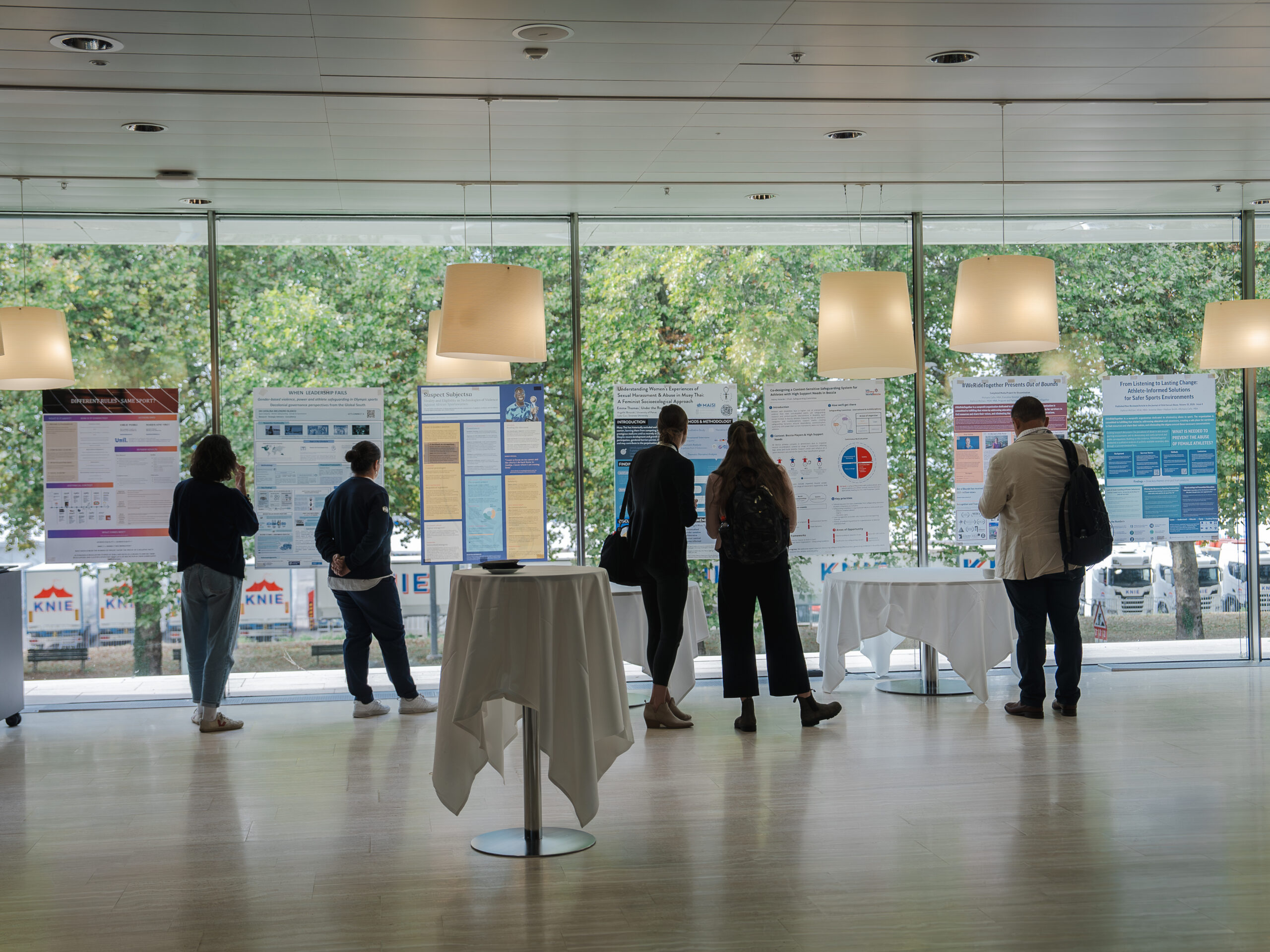
Poster Exhibition

Participants will have the chance to showcase initiatives, projects, research, policies, and innovations related to the participation of girls and women in sport. The posters will provide an opportunity to highlight practical experiences, emerging ideas, and evidence from different contexts. During the dedicated poster walk, participants will have structured time to engage directly with authors and discuss their work in more depth.


About the Conference

The aims of the Gender Equality and Sport + Conference are to:

  • Showcase new knowledge, research, good practices, and lessons learnt by stakeholders working to advance gender equality in PEPAS, highlighting sector-wide challenges, successes and developments, while continuing to identify areas that require attention and further enquiry.
  • Foster networking and engagement among global stakeholders by strengthening cross-sector connections and collaboration including among public institutions, civil society and others.
  • Break knowledge silos and enhance cross-sector collaboration and facilitate cross-sector knowledge exchange by addressing shared challenges, successes, and emerging trends.
  • Equip the sector with resources, best practice sand evidence-based tools, that have the potential to enhance their capacities to address gender inequalities in context specific ways.
  • Demonstrate the importance of high-quality, shared data, and present new insights on measuring and tracking gender equality in PEPAS.

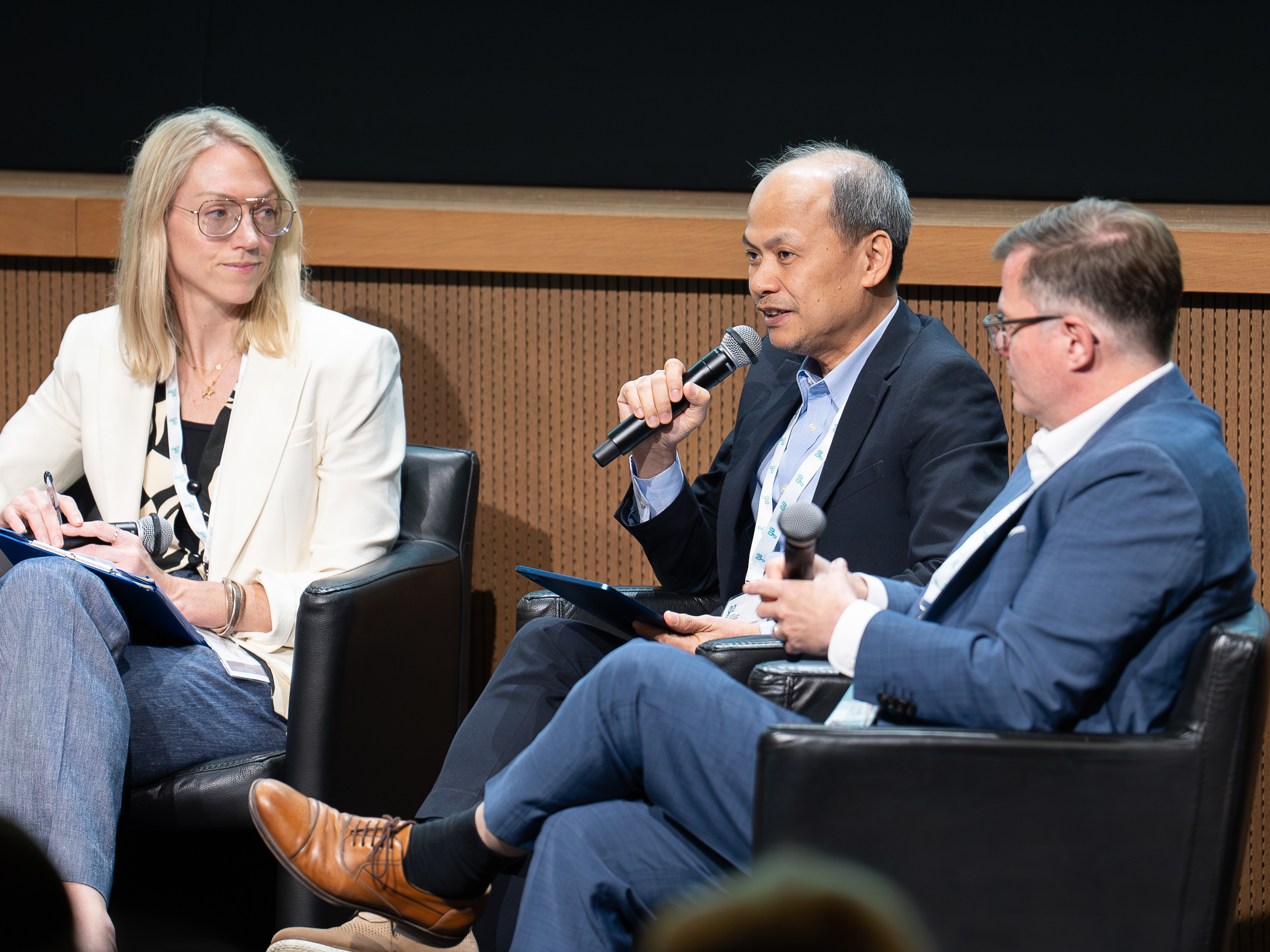
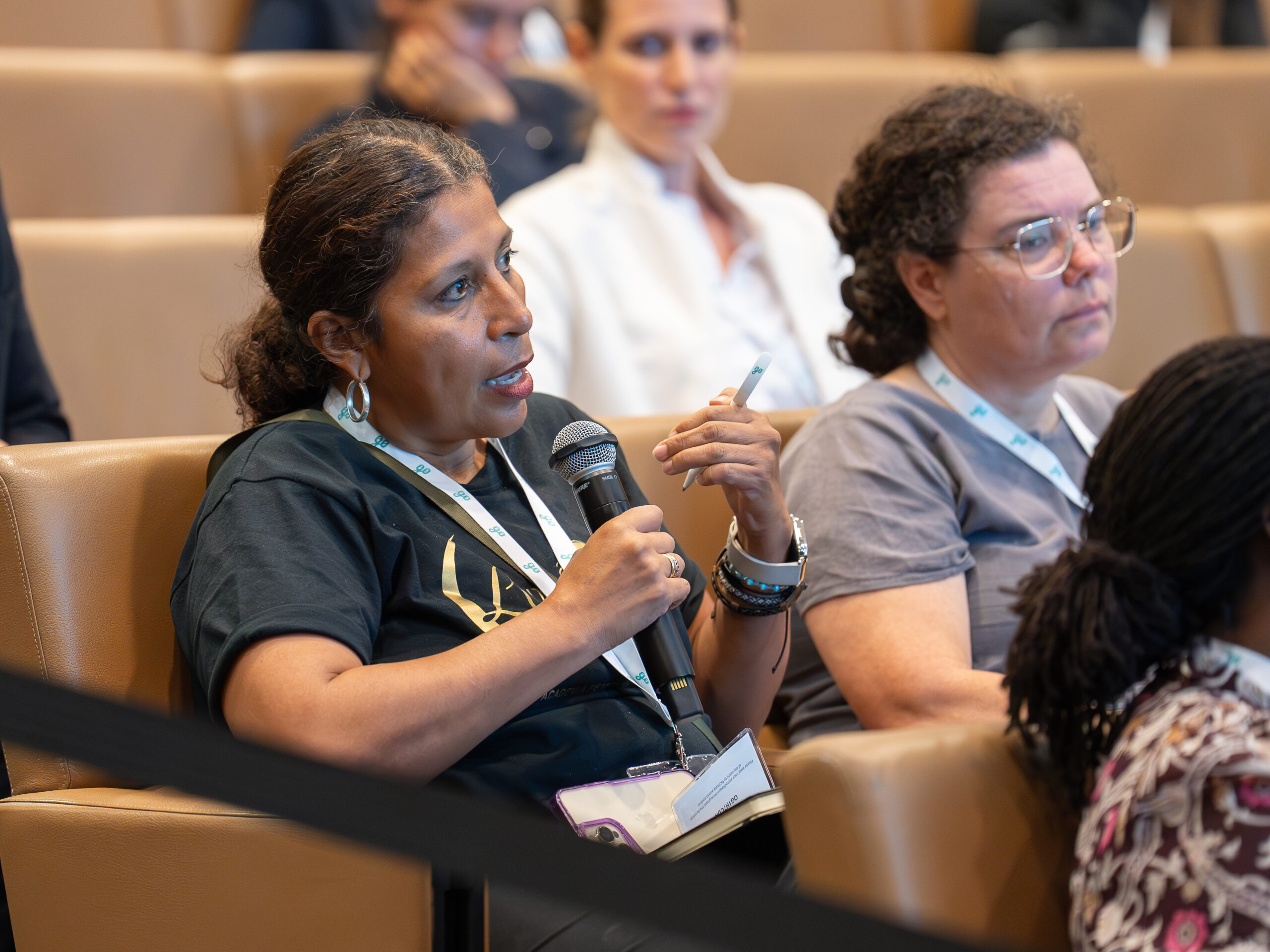
The programme features keynote addresses, interviews, Q&As, panel discussions, plenaries, visual presentations, and networking sessions. Speakers include members of the GO Advisory Council, GO network, partners, researchers, government representatives, United Nations entities, and experts from sport and non-sport sectors.

By offering this international platform, the Global Observatory aimes to foster a collaborative environment where all participants can contribute to creating a more inclusive and equitable sporting world.

Alongside the conference, the Board, Expert Group, Advisory Council Partners, and General Assembly of the Global Observatory convene for their respective closed meetings.

About the Programme

Welcome and Opening Remarks

9:00 am – 9:30 am

Keynote Presentation

9:30 am – 9:50 am

Panel 1: From Data to Policy to Impact- Evidence-Informed Governance for Gender Equality

9:50 am – 11:10 am

This session examines how evidence is used in governance and decision making related to gender equality in physical education, physical activity and sport. It focuses on how sport and public organisations select, interpret and apply evidence in policy and strategy formulation, planning, resource allocation and accountability processes. It considers the organisational structures, capacities and partnerships required to ensure that evidence informs decisions in a consistent and transparent way, including decisions affecting different groups of women and girls. It also addresses impact by examining whether and how evidence informed policies have benefited organisations and their target groups.

The session highlights the Global Observatory’s indicators and other knowledge products, with attention to how they can support policy design, institutional practice and oversight.

Coffee Break

11:10 am – 11:45 am

Panel 2: What About Girls? Measuring Participation, Empowerment and Health

11:45 am – 01:00 pm

This session addresses persistent gaps in girls’ participation in physcial education, physical activity and sport. It focuses on how participation, empowerment and health outcomes are measured, and how these measurements influence policy and programme decisions. The session presents approaches that move beyond participation rates to capture experience, voice and long-term engagement. It examines how evidence can be used to inform policies and programmes that support sustained participation for girls from different social and cultural contexts, and how youth perspectives can be incorporated into decision making.

Lunch

01:00 pm – 02:00 pm

Parallel Breakout Sessions

02:00 pm – 03:30 pm

One of two parallel breakout sessions are offered, providing participants with the opportunity to engage in expert led workshops designed to foster dialogue, reflection, and problem solving.

Session 1: Measuring Online Gender-Based Violence Workshop

Session 2: Intersectional Indicators Development Workshop

Coffee Break & Poster Walk

03:30 pm – 04:00 pm

Panel 3: Investment and Budgeting in Sport

04:00 pm – 05:00 pm

This session explores how funding and investment can advance opportunities and outcomes for women and girls across physical education, physical activity and sport. It considers how organisations translate gender equality commitments into budgets and sustained institutional support, while also examining different approaches to financing sport-for-development programmes, dedicated funds, partnerships and commercial ventures. The session will explore how financial data and measurement can help identify where resources flow, assess their impact, strengthen accountability and inform future investment decisions.

Closing Remarks

05:00 pm – 05:20 pm

Cocktail and Networking

5:30 pm – 7:00 pm

Get Your Ticket Today

IMD Campus | Lausanne, Switzerland | 29 September 2026


Expert Contributor

Network
CHF250
  • Year-round access to the GO Global network of researchers and research institutions
  • Annual Conference pass on Tuesday 29 September
  • Lunch included
  • Invite to the cocktail & networking
  • Post event report
  • Access to the networking app

Expert Group

Exclusive Membership
CHF0
  • Exclusive access to all GO Expert Group Meetings including on Wednesday 30 September
  • Annual Conference pass on Tuesday 29 September
  • Lunch included
  • Invite to the cocktail & networking
  • Post event report
  • Access to the networking app

Advisory Council

Exclusive Membership
CHF0
  • Exclusive access to all Advisory Council & Academic Partner Meetings including on Monday 28 September
  • Annual Conference pass on Tuesday 29 September
  • Lunch included
  • Invite to the cocktail & networking
  • Post event report
  • Access to the networking app

for media, please register here

Venues

Carlton Hotel Lausanne

The four-star Carlton Lausanne Boutique Hôtel is the official hotel of the Gender Equality & Sport+ Conference 2026. Located in the Ouchy district of Lausanne, it is just a few minutes away from the conference venue, the train station and Lake Geneva.

The Carlton Lausanne Boutique Hôtel is the perfect destination for business or leisure travellers to discover the charm and hospitality of Lausanne.

IMD Business School

IMD is a top-ranked business school which specialises in developing global leaders through high-impact executive education. IMD focuses on real-world executive development; it offers Swiss excellence with a global perspective; and has a flexible, customised and effective approach.

IMD is an independent academic institute with strong ties to business and a clear focus on creating impact.

The institute supports the transition to a new model that balances prosperity and growth with ecological sustainability and social inclusion. Sustainability, as well as diversity, equity, and inclusion, are core principles embedded within its framework.

Logistical Information

Visa

It is the responsibility of the participants to obtain a visa if needed. Please check the visa requirements for your nationality. Overviews of ID and visa provisions vary according to nationality.
Schengen visas are valid for Switzerland and for all other Schengen member states (providing nothing to the contrary is noted on the visa).
If you have any questions, contact the Swiss Embassy responsible for the area in which you reside: Swiss representations.
If the visa is not granted on time, the cancellation policy will be applied.
Weather

September temperatures range from 10°C (50°F) at night (minimum night temperature) and around max 21°C in the daytime (max day temperature of 70°F). For the current weather forecast, please click here.
Electricity

Type C, E and F plugs which support 220 to 240 volts 

Time zone

Central European Time (CET) 

(GMT+2:00) 

Speakers

Alessandro Mancini
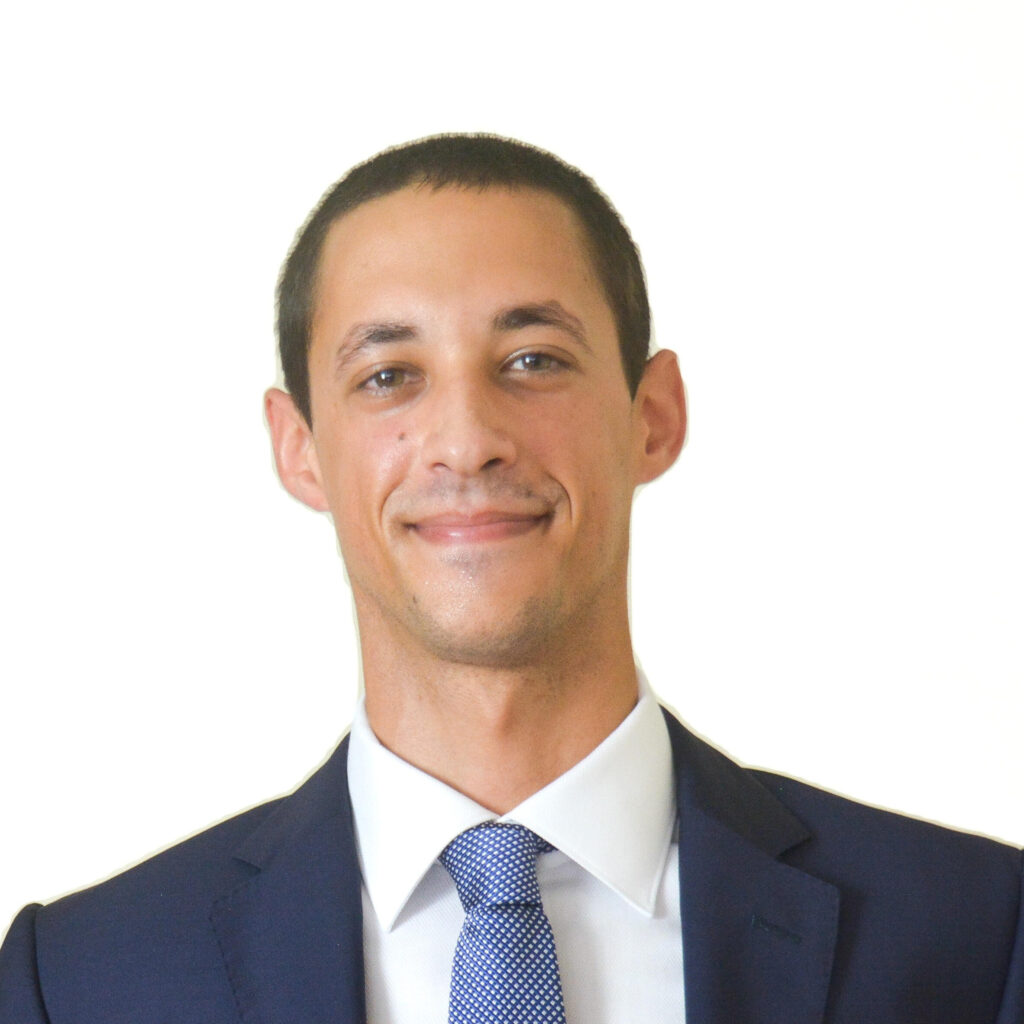
Alessandro Mancini (he/him) is the focal point for the Finance in Common Coalition for Sustainable Development Through Sport. He supports partnerships and investment initiatives that position sport as a contributor to inclusive and sustainable development. His work brings together public development banks, international organisations, sport institutions and private partners to develop governance frameworks, mobilise financing and translate institutional commitments into projects and investment opportunities.
Dr Peter Gelius
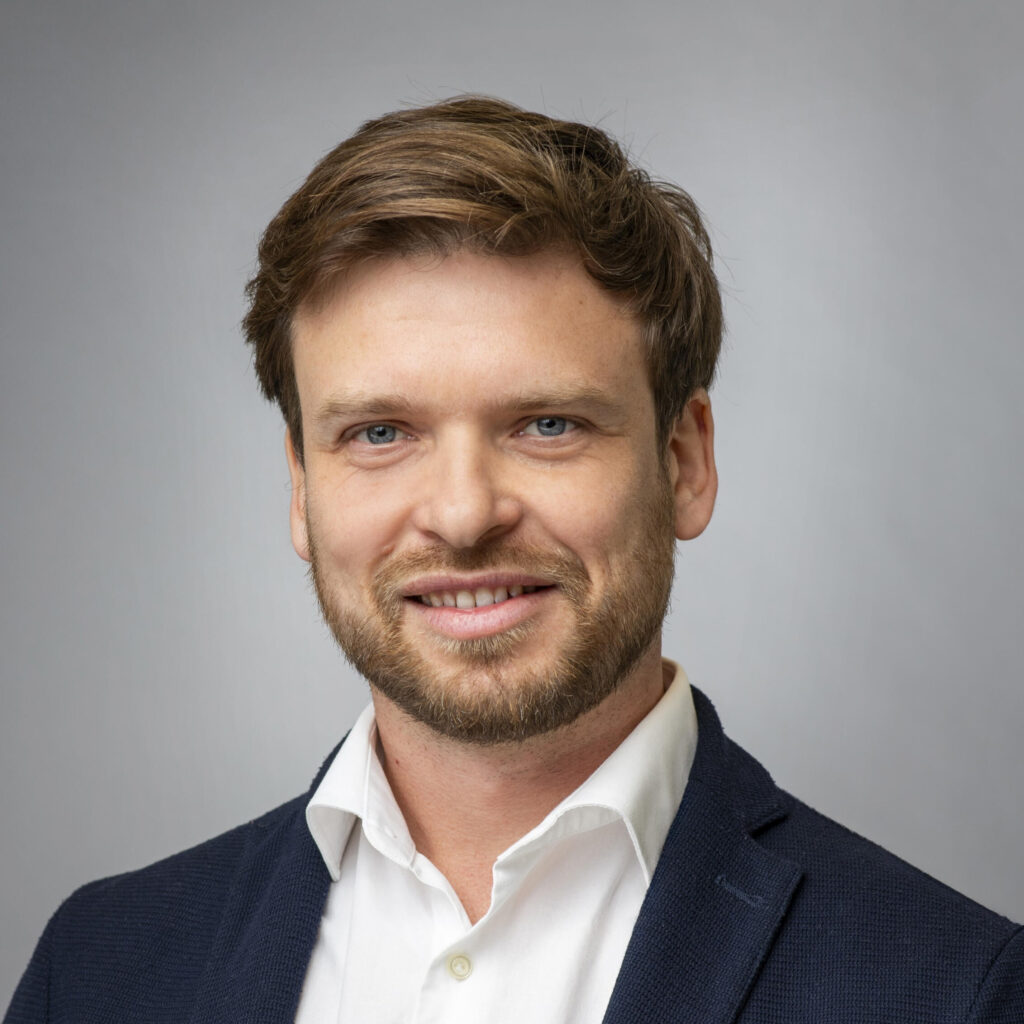
Dr Peter Gelius (he/him) is an Assistant Professor of Physical Activity and the Life Course at the Institute of Sport Sciences at the University of Lausanne and a collaborator of the Global Observatory of Physical Activity (GOPA!). With doctorates in political science and sport science, his research covers physical activity policy, participatory approaches to health promotion and sustainable physical activity. He has served as an adviser to the World Health Organization and the European Commission. He is also affiliated with the WHO Collaborating Centre for Physical Activity and Public Health at FAU Erlangen Nuremberg.
Dr Yetsa A. Tuakli-Wosornu
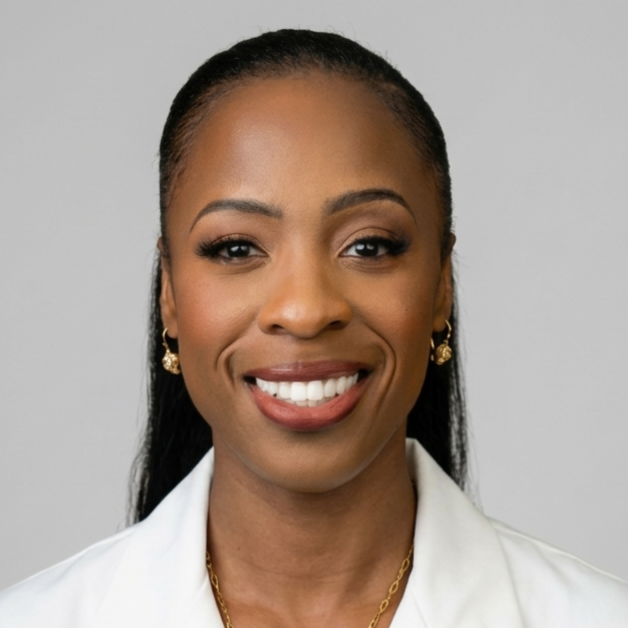
Dr Yetsa A. Tuakli-Wosornu (she/her) is an Associate Professor and Founding Director of the Sports Equity Lab at Stanford University. The athlete led research and innovation platform examines performance through the lens of empathy and translates athletes’ experiences into research and technology supporting sustainable performance across sport and society. A former professional track athlete who represented Ghana, Dr Tuakli-Wosornu is also a practising sports medicine physician. She brings athletic experience, clinical practice and research expertise to her work.
Evelyn Watta
Evelyn Watta (she/her) is a Kenyan sports journalist, producer and writer for the Olympic Channel and Olympics.com in Madrid. She is also First Vice President of the International Sports Press Association, AIPS. Evelyn began her career 25 years ago with the broadcasting division of Nation Media Group in Kenya and has since worked across television, newspapers and digital media. In 2014, she became the first woman to win the sports category of the CNN Multichoice African Journalist Awards.
Joanna Maranhão
Joanna Maranhão (she/her) coordinates the Athletes Network for Safer Sports, a programme of the Sport & Rights Alliance that facilitates collaboration among athletes and allies affected by abuse in sport. Her work focuses on amplifying athletes’ voices and supporting systemic change in sport governance and safeguarding. A four-time Olympian, Joanna brings lived experience to her work and helps connect research and policy discussions with the experiences of athletes and the practical realities of creating safer sporting environments.
Khalida Popal
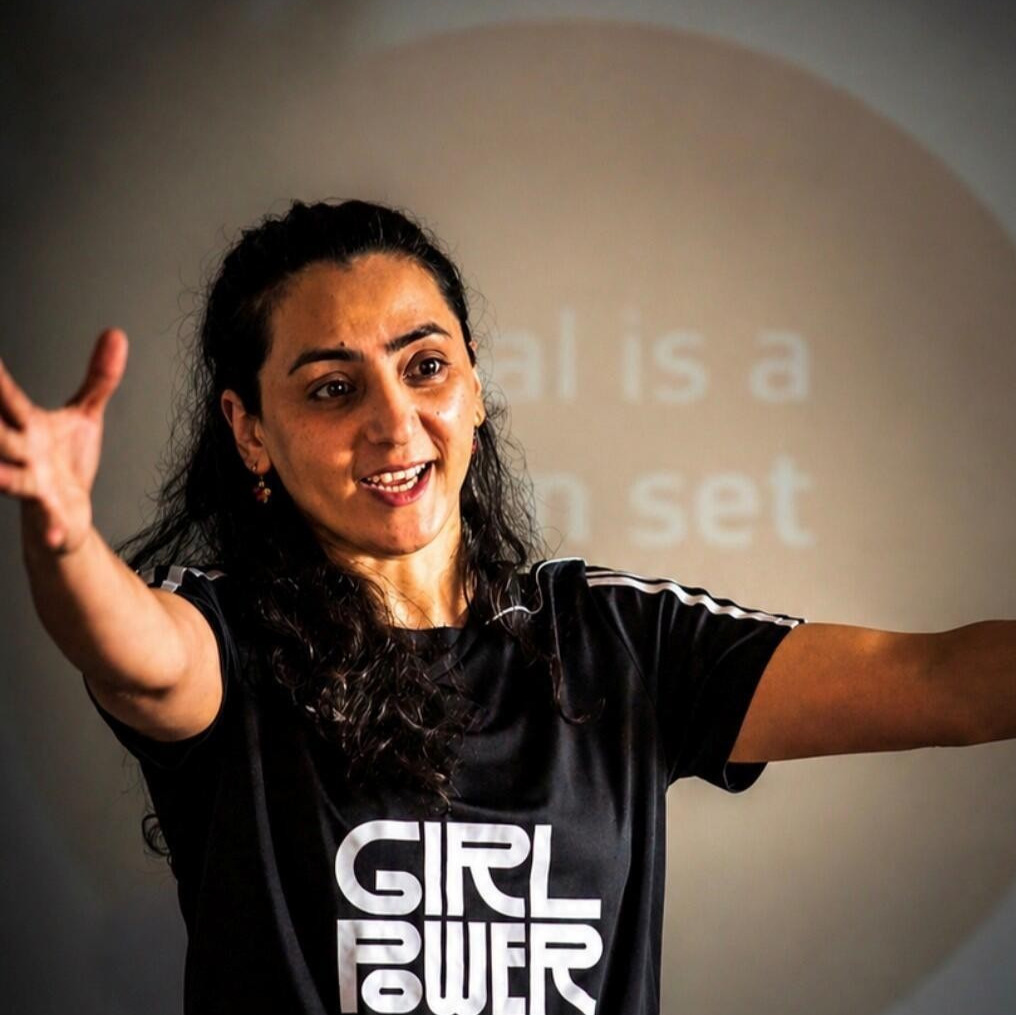
Khalida Popal (she/her) is the founder of Girl Power Organisation and a former cofounder of the Afghanistan Women’s National Football Team. She advocates for gender equality in sport and the inclusion of refugees, drawing on her experience as a player, team leader and activist. Through Girl Power Organisation, she uses football to support leadership, empowerment and social change among women and girls, including those from displaced and refugee communities.
Kitty Macklin
Kitty Macklin (she/her) is Learn Manager at Women Win, a global women’s fund, where she leads monitoring, evaluation, learning and impact across a diverse portfolio. Her work includes programmes and funds that seek to advance gender justice in and through sport. Drawing on her background in gender studies and more than eight years at Women Win, she promotes participatory and feminist approaches to understanding and measuring programme impact.
Laura May
Laura May (she/her) works on gender and diversity in sport at Sportieq in Belgium. Since joining the organisation in 2020, she has helped develop the Genderscan and guidance on the inclusion of sex and gender diverse people in sport. She advises sport organisations on inclusive policy and delivers workshops on gender equality, diversity and hate speech. Laura also contributes to the LGBTIQ+ Sport Observatory project led by the European Gay and Lesbian Sport Federation.
Paulo Barone
Paulo Barone (he/him) is a sustainability and development leader with more than 25 years of international experience. After leading sustainability programmes for Nespresso across 20 countries, he supported the FIVB in establishing the Volleyball Foundation in 2023. He joined the FIVB in 2024 and contributes to the development of its strategies on sport development, climate action and gender equality. His work focuses on integrating gender equality and sustainability into the organisation’s strategies and activities.
Sally Hassona
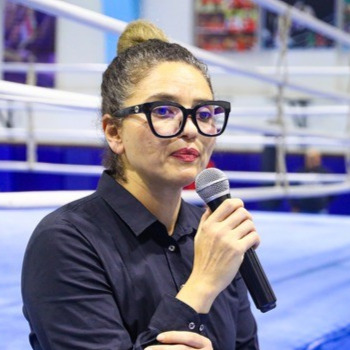
Sally Hassona is Head Coach of the Women’s Boxing National Project for Olympic Champions at Egypt’s Ministry of Youth and Sport and Founder of Impact Academy Egypt. An Egyptian Australian sports leader, boxing coach and educator, she is also a UNESCO country researcher, Member of the African Union Sports Council Women and Girls in Sport Working Group, and doctoral researcher at the University of Derby. Her work uses sport to advance gender equality, leadership and STEM opportunities for girls, with support from the International Olympic Committee, Women Win and other international partners.
Talia Kaufman
Talia Kaufman (she/her) is Senior Programmes Manager at sportanddev, where she oversees project management and communications and contributes to fundraising, partnerships, strategy and governance. She has experience in sport for development, sexual and reproductive health and rights education, and youth participation. Talia has worked with the Olympic Refuge Foundation to advocate for the inclusion of displaced young people through sport. She has also developed training and play based life skills curricula with teams in several countries.
Tiago Guillherme
Tiago Guillherme (he/him) is Managing Director of ENGSO Youth, an independent body of the European Non Governmental Sports Organisation (ENGSO). He develops and leads initiatives and advocacy aimed at increasing youth participation in sport governance. Tiago previously worked at the Ministry of Foreign Affairs and Cooperation of Timor Leste. In 2020, he joined the Permanent Representation of Portugal to the European Union, where he followed youth and sport matters during the Portuguese Presidency of the Council of the European Union.