
Organisation: Aditi Chauhan Foundation
Location: New Delhi, India
Founder: Aditi Chauhan, Former Indian National Team Captain & Goalkeeper, Founder/Director
Focus: Football, education, and opportunity for girls and young women
Instagram: @aditichauhanfoundationofficial
Summary/Overview
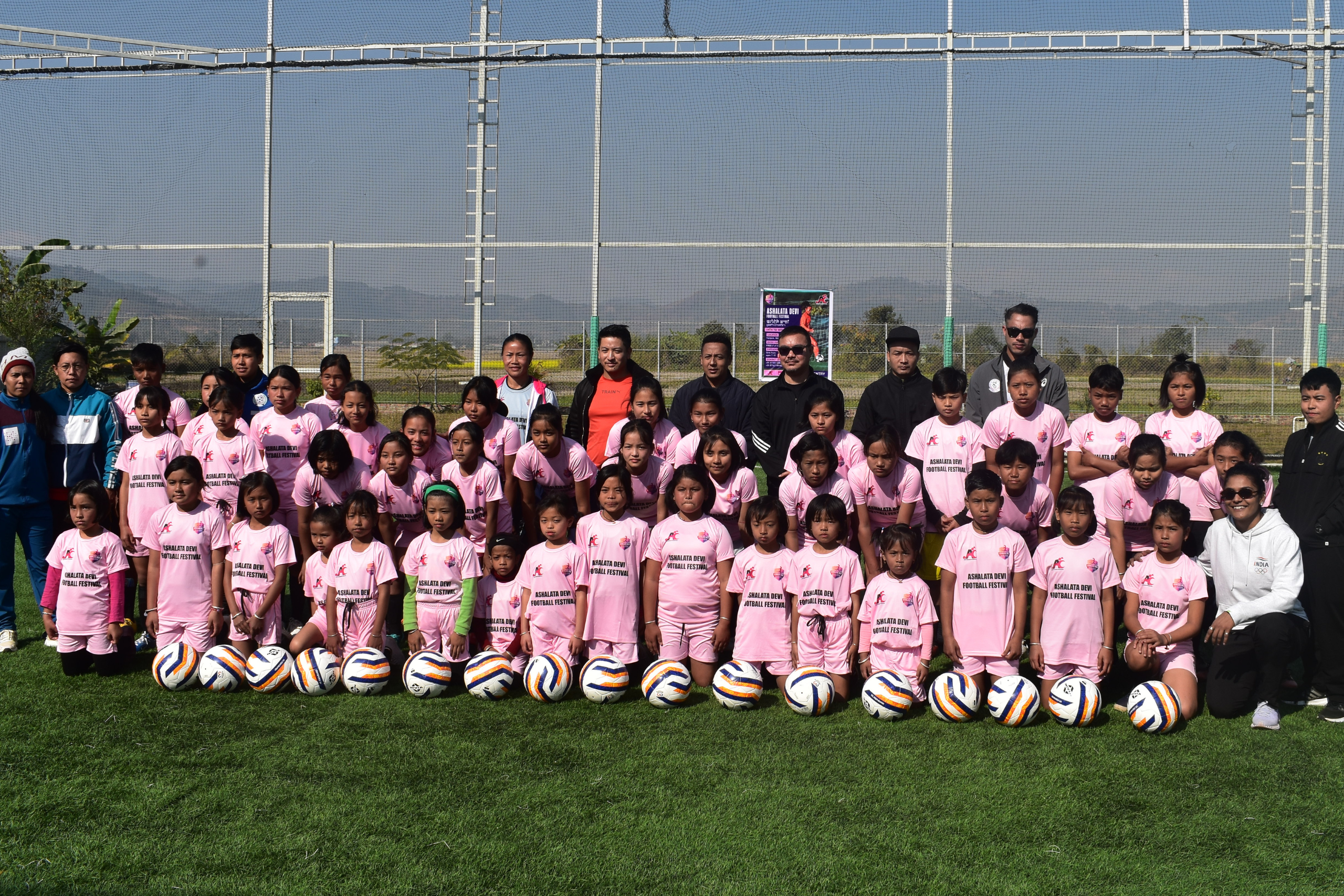
The Aditi Chauhan Foundation (ACF) is the non-profit arm of the She Kicks ecosystem, established to ensure that access to football, education, and opportunity is not limited by gender, geography, or socio-economic background. Founded by Aditi Chauhan, former Indian National Team captain and goalkeeper, the organisation reflects her lived experience of both scarcity and possibility. ACF works to create pathways for talent development, competition, and progression, while also addressing the structural barriers that prevent girls from entering and sustaining themselves in sport. In doing so, it places equal importance on athletic growth, confidence, and leadership.
Take Us to the Beginning
Aditi Chauhan Foundation began with a simple but urgent recognition: talent was never the problem. Opportunity was. After representing India and becoming the first Indian woman to play professionally in the English Super League for West Ham United Ladies, Aditi saw how fragile the sporting landscape remained for girls back home. Access was limited, pathways were weak, and belief in girls’ futures in sport was still far too narrow.
“I realised that talent wasn’t the issue – access, belief, and systems were.”
That insight became the starting point for the Aditi Chauhan Foundation. The organisation was created so that girls would not have to face the same barriers simply to begin. Before work like this existed, what was often considered normal for girls and women in sport was a pattern of limited opportunities, irregular training, poor infrastructure, and almost no long-term pathways. Girls frequently dropped out once they reached adolescence or high school, and sport was widely viewed as a hobby rather than a serious future.
ACF also identified a gap that was going largely unaddressed: dedicated support for women and girls. In many football academies, girls were heavily outnumbered, overlooked, or ignored. Competition opportunities for women were limited, and wider awareness around menstruation, menstrual hygiene, and balancing education with sport remained insufficient. These inequalities were intensified by deep-rooted gender norms, financial barriers, safety concerns, weak institutional support, and the lack of women in visible leadership roles. For many families, investing in a girl’s sporting journey still felt uncertain or unnecessary. The foundation was built in direct response to that reality.
Creating Safe and Inclusive Environments
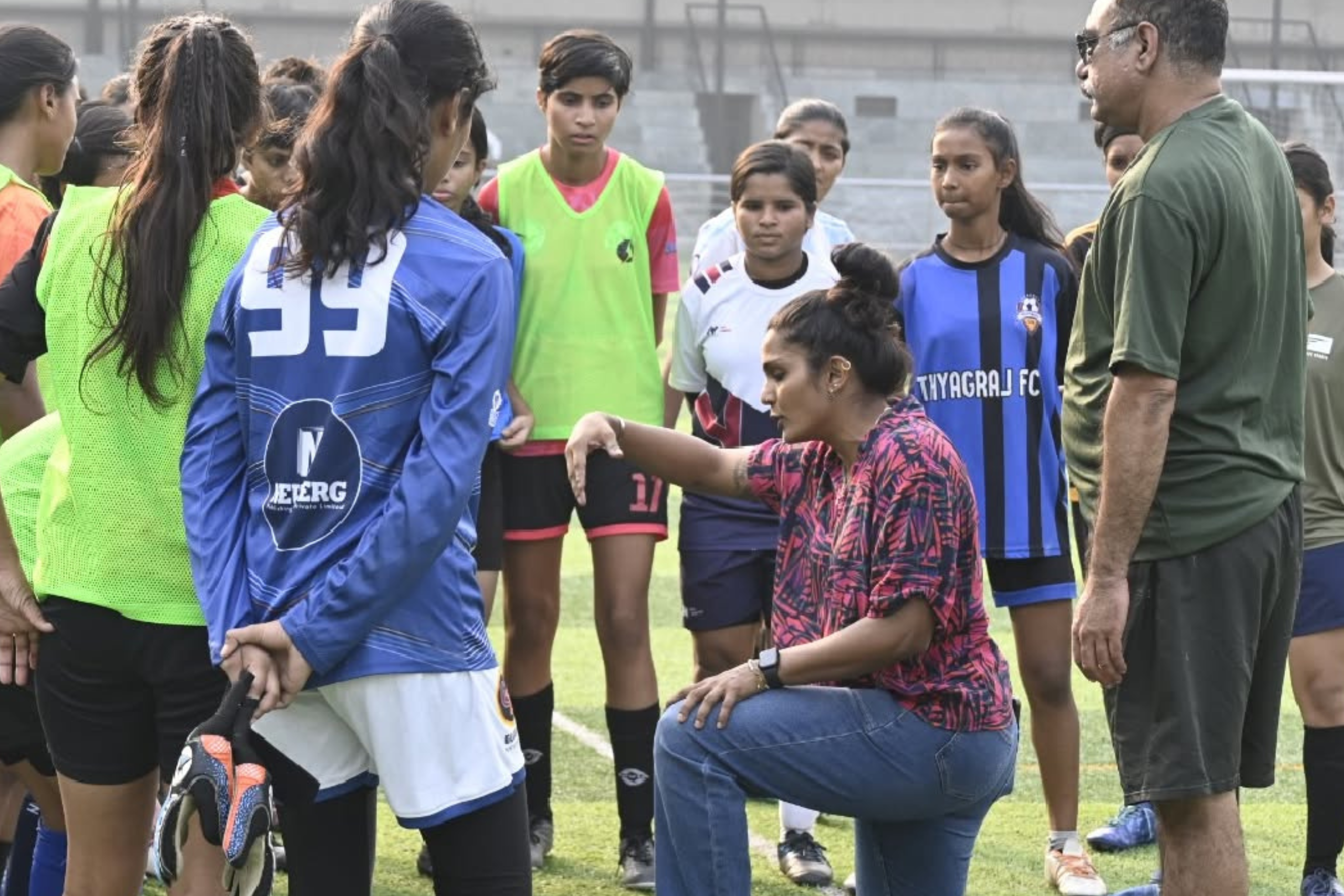
ACF’s approach is athlete-led and experience-driven. Football is the entry point, but the work reaches far beyond performance. They focus on the holistic development of girls: confidence, agency, education, and voice. It aims not simply to include girls in existing systems, but to challenge the unequal conditions that have long shaped who get access, visibility, and support in sport.
“We don’t treat girls as beneficiaries, but as future leaders of the sport.”
That philosophy runs through the organisation’s mission, which has grown over time. What began as a focus on participation has developed into a longer-term vision: creating pathways from grassroots football into professional football, coaching, and leadership. ACF works primarily with girls and young women from underserved communities who often lack access to quality training and supportive environments. To respond to different forms of exclusion, it adapts training, provides scholarships where possible, works closely with communities, and pays close attention to cultural sensitivity and inclusion.
Success, in this context, is not defined narrowly. It means girls remain in sport longer, have real choices within it, and are respected as athletes. To move toward that, ACF relies on consistent engagement, trusted local partnerships, visible role models, and sustained relationship-building with families and communities. They listen first, rather than imposing a fixed model, and work with local partners who understand the realities of the areas serviced.
Just as importantly, ACF prioritises safer spaces for girls and young women. Through trained staff, clear safeguarding policies, open communication, and a culture that encourages girls to speak up without fear, the organisation aims to make football environments physically, emotionally, and socially safer. Sensitive issues are approached through age-appropriate conversations and trusted mentors, often integrated naturally through sport itself. Schools, clubs, federations, and community organisations all play a critical role here, not only in opening access to facilities, but in building legitimacy and long-term sustainability.
Outcomes and Evidence
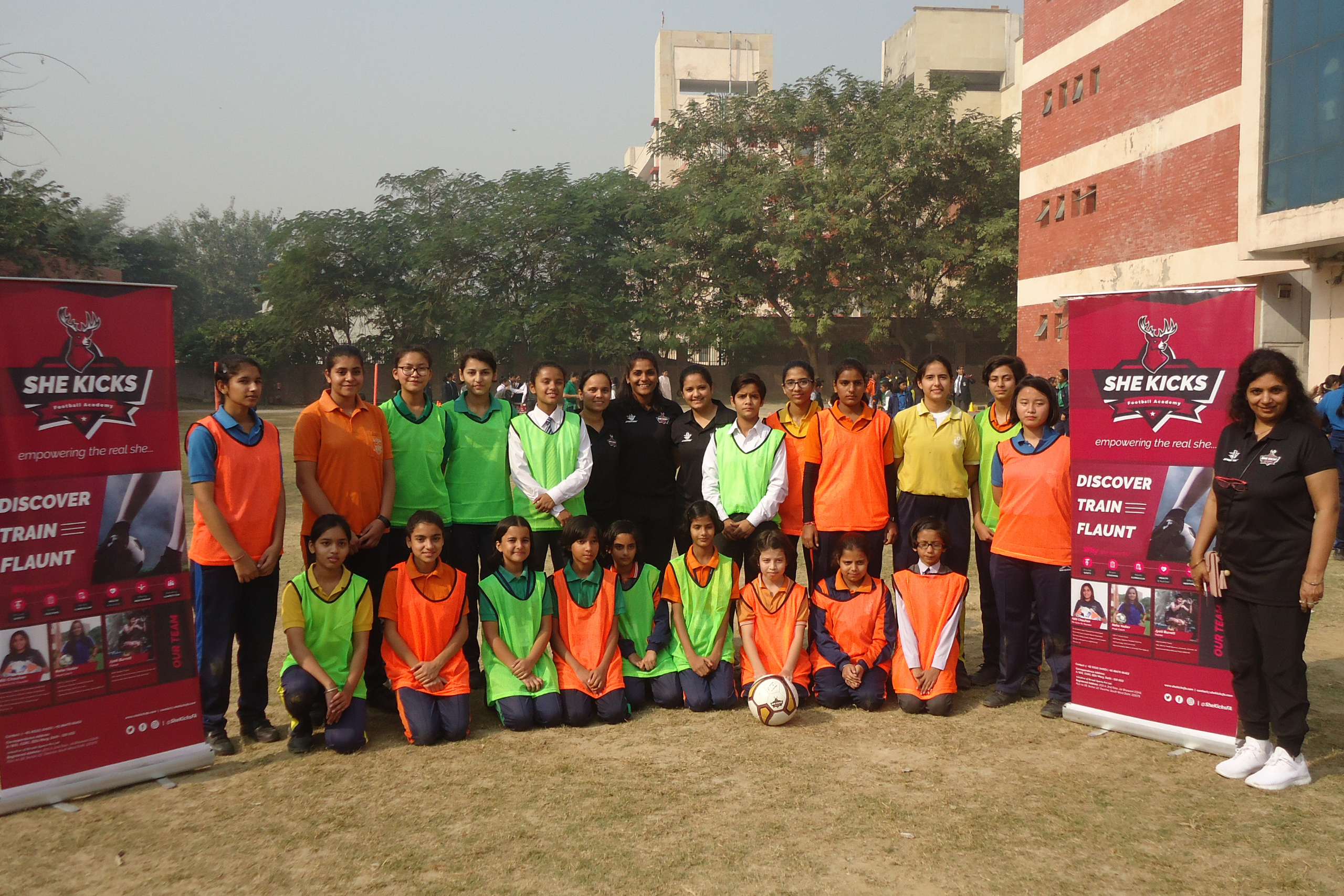
The impact is both visible and personal. Participation has grown steadily, and retention has improved. But the changes are not only numerical. They have observed higher self-esteem, stronger communication skills, better peer relationships, and greater ambition among the girls.
“Girls who once hesitated to speak now lead warm-ups, ask questions, and advocate for themselves.”
That shift matters because it shows what equality in sport looks like in practice. Girls are not only entering football spaces; they are beginning to lead within them. Families notice this too. Parents become more supportive when they see changes in confidence and self-belief, and attitudes are shifting among local coaches and communities as well. Girls playing football is slowly becoming more accepted.
There have been wider ripple effects too. One positive unintended outcome has been girls inspiring others in their communities to play. That kind of influence extends the reach of the programme beyond direct participation and begins to reshape what is seen as possible. At the same time limited resources can create expectations that are difficult to meet, especially when demand grows faster than the organisation’s capacity. Even so, the evidence points to a programme that is building confidence, visibility, and longer-term change in ways that are grounded and meaningful.
Progress, pressure, and the work that remains
Seeing girls who once trained through the programme return to mentor younger players has been the north star for measuring success. That full-circle moment captures something essential about their work: it is not only about participation, but about continuity, leadership, and belief.
Their most significant achievement is described not simply in sporting terms, but in social ones. They have helped create belief in girls, in families, and in communities that women belong in sport, not only as athletes, but across a range of roles. That kind of cultural shift is difficult to build and easy to underestimate, yet it is essential to lasting change.
At the same time, the challenges remain substantial. Funding and infrastructure continue to be major barriers, and have had to be creative with navigating them through partnerships, flexibility, and a community-driven approach. Whilst continuing to face the challenge of scaling work without losing quality, ACF is especially rooted in trust and local knowledge.
Another challenge is the slower work of changing deeply entrenched mindsets. Social expectations do not shift quickly, and progress often requires patience as much as passion. The idea that girls would not be interested or committed to football and sport has proven false. Given the chance, many show more discipline and determination than expected. That, too, is part of the foundation’s success.
Learnings and Recommendations
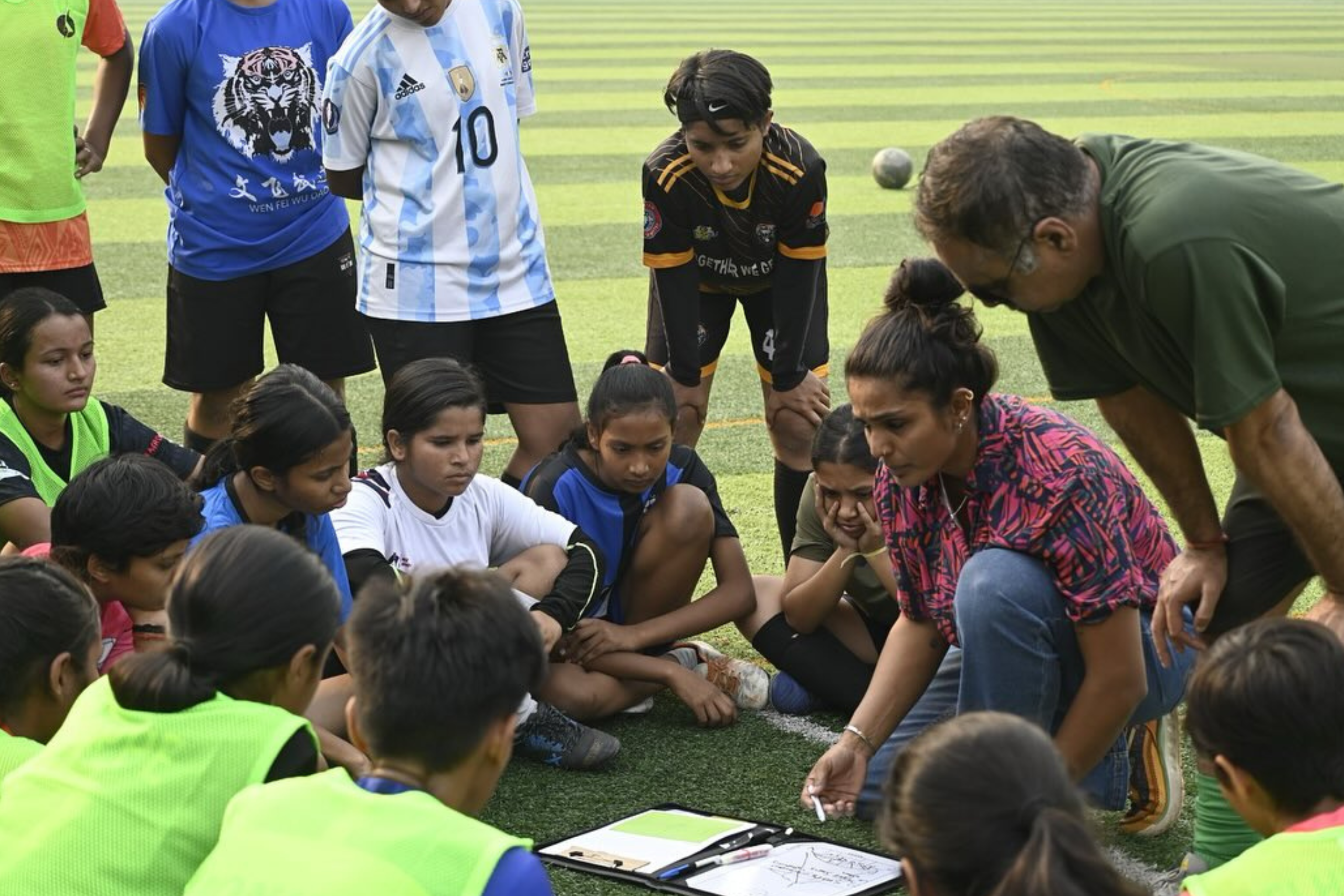
One of the clearest lessons that emerge from their journey is that change takes time. Building something meaningful in sport, especially around gender equality, requires patience, consistency, and a willingness to stay committed beyond short-term wins. If starting again, ACF would invest in building stronger systems and documentation earlier to support future growth. That is a practical lesson, but an important one. The advice is direct:
“Listen to the girls. Build programs with them, not for them. And commit for the long term – change doesn’t happen in one season.”
That recommendation speaks to the wider importance of participation, trust, and co-creation. It also comes with a reminder that coaches themselves must continue to grow, update their knowledge, and provide the highest quality guidance possible to the girls they work with.
A Look Ahead
ACF is interested in stronger research on the long-term impact of girls’ participation in sport, especially in relation to education, employment, and leadership. Their continued mission: one that sees football not only as a game, but as a tool for empowerment, opportunity, and equality.
“This journey has reinforced my belief that sport has the power to change lives, not just on the field, but far beyond it.”
That belief is what drives the momentum further. At its heart, ACF is doing more than expanding access to football. It is helping create the conditions in which girls can stay in sport, grow through it, and imagine futures that stretch well beyond the boundaries that once defined them.