Organisation: Canadian Girls Baseball (CGB)
Location: Toronto, Canada
Type: Not-for-Profit
Founder: Dana Bookman, Founder & CEO
Focus: Reducing barriers to participation in baseball, promoting inclusion, confidence, belonging and female leadership
Website: www.canadiangirlsbaseball.com
Instagram: @CanadianGirlsBaseball
LinkedIn: Canadian Girls Baseball
Summary/Overview
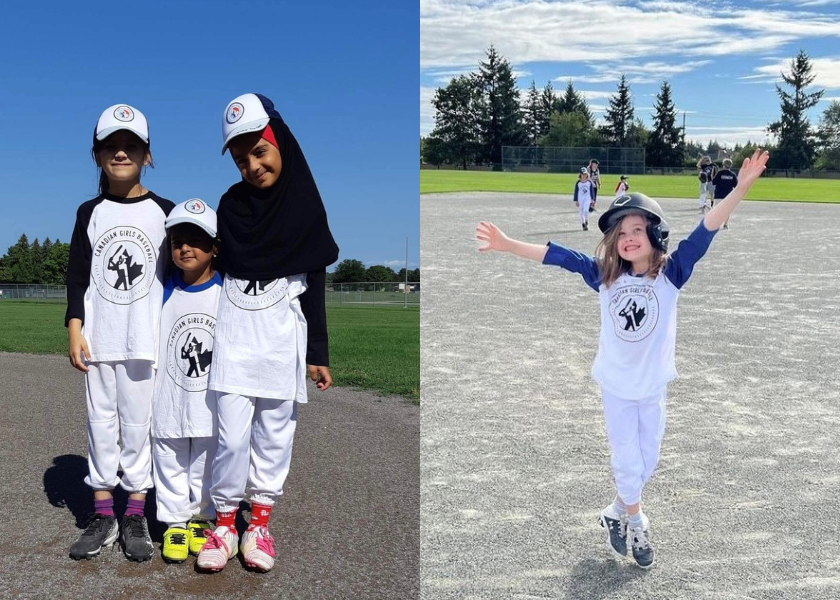
Founded in Toronto, Canada, Canadian Girls Baseball (CGB) is creating opportunities for girls and women to participate in a sport where they have historically been underrepresented. Through baseball development leagues and programmes designed specifically for girls, the not-for-profit initiative places confidence, belonging and personal development at the centre of the sporting experience.
Serving female-identifying participants aged five and above, including women, CGB seeks to make baseball accessible regardless of ability or financial circumstances. Its approach goes beyond developing sporting skills, using participation to foster resilience, empathy, leadership and teamwork.
What began as an effort to create a welcoming space for one young baseball player has since grown into an initiative reaching communities across Canada.
From One Girl to a Nationwide Initiative
Canadian Girls Baseball began with a simple challenge: finding a place where a girl who loved baseball could continue playing and feel that she belonged.
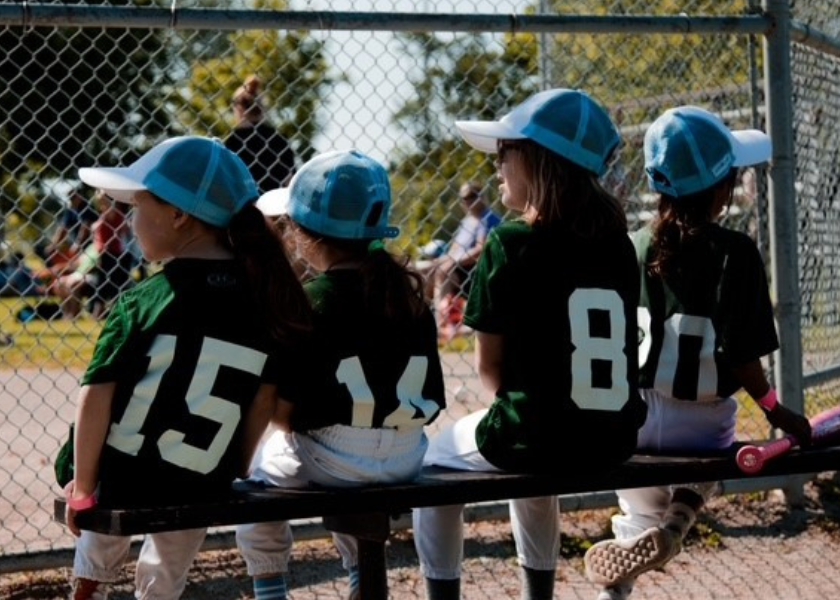
Before CGB was established, girls joining local baseball leagues would often find themselves among only a handful of female players in their age division. In some cases, a girl might be the only female player on her team, creating an experience that could feel lonely and isolating.
At the time, there were no girls-only baseball leagues in the local area and only a few girls-only teams across Canada. The absence of dedicated opportunities highlighted a gap between girls’ interest in the sport and the environments available to support their participation.
“Canadian Girls Baseball started with one girl who loved baseball. We changed the game for her, so she wouldn’t quit, and we’ve since been changing the game for girls across Canada.”
In 2016, the initiative launched its first season with 44 girls. By 2017, participation had increased to 350 players. By its third year, CGB had expanded to 20 locations across Canada, reaching 1,500 participants.
This early growth demonstrated the demand for dedicated opportunities for girls to play baseball and established the foundation for CGB’s continued expansion.
Building a Sporting Environment Around Girls
At the heart of Canadian Girls Baseball’s mission is the ambition to develop future leaders by equipping participants with skills that extend beyond sport. Confidence, empathy, resilience, communication and teamwork are central to its approach, with baseball providing opportunities to develop these qualities through practical experience.
Rather than placing competition and winning at the centre of its activities, CGB designs its development leagues and programmes around enjoyment, inclusion and belonging.
“We design sport specifically with girls in mind. We emphasise fun and belonging before competition and winning.”
This philosophy shapes how sessions are delivered. Drills and skill-development activities are adapted to suit different communities, ages and abilities, allowing participants to engage at an appropriate level.
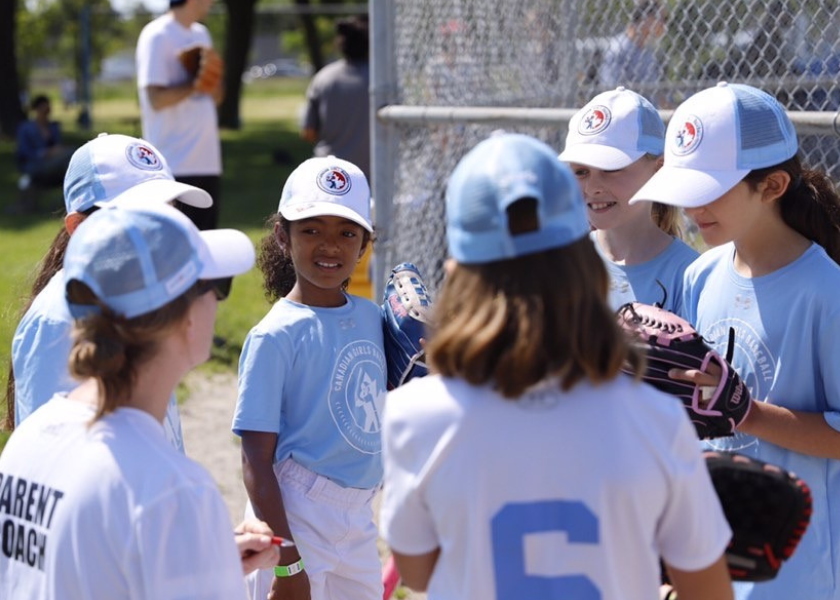
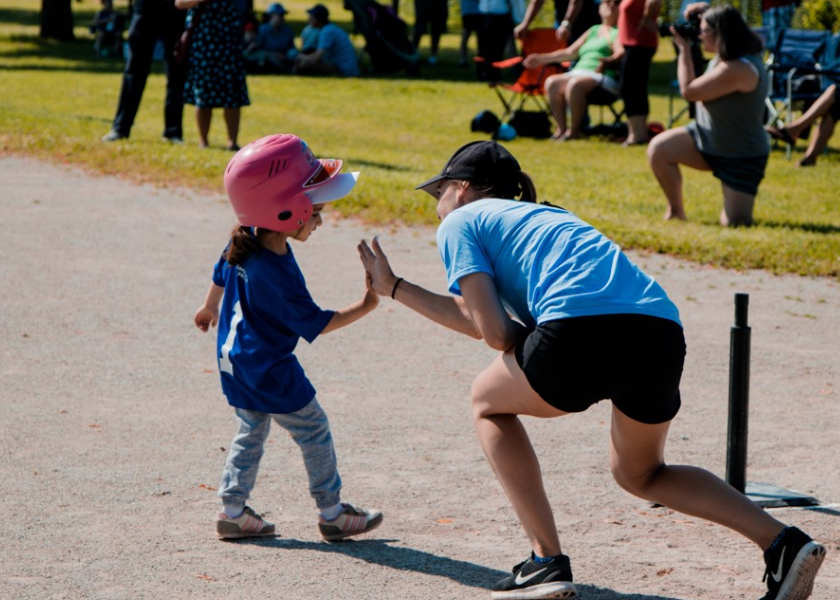
Female role models are another central element. CGB employs female staff, giving players opportunities to learn from women in coaching and programme roles. Fathers can also participate as parent volunteer coaches.
Creating accessible opportunities is equally important. CGB welcomes players of different abilities, including wheelchair users and neurodivergent participants. Where additional assistance is required, mentors or coaches can provide individual support on the baseball diamond.
Financial barriers are addressed through a scholarship fund operating on an honour system, meaning families are not required to demonstrate that their income falls below a particular threshold. Free programming is also available for newcomers to Canada.
These measures reflect the initiative’s commitment to ensuring that girls who want to play baseball have the opportunity to do so.
“We want all girls who want to play to find their home at Canadian Girls Baseball.”
Safety and inclusion are reinforced through background checks, team-building activities and a Respect, Kindness and Dismissal policy signed by guardians. The policy establishes expectations for behaviour and allows CGB to exclude players or guardians in cases involving bullying or similar conduct.
Together, these practices aim to create an environment where girls feel welcomed, supported and able to develop at their own pace.
Outcomes and Evidence
For Canadian Girls Baseball, participation is about more than learning to catch, throw or hit a baseball. The initiative seeks to develop personal and interpersonal skills that participants can carry into other areas of their lives.
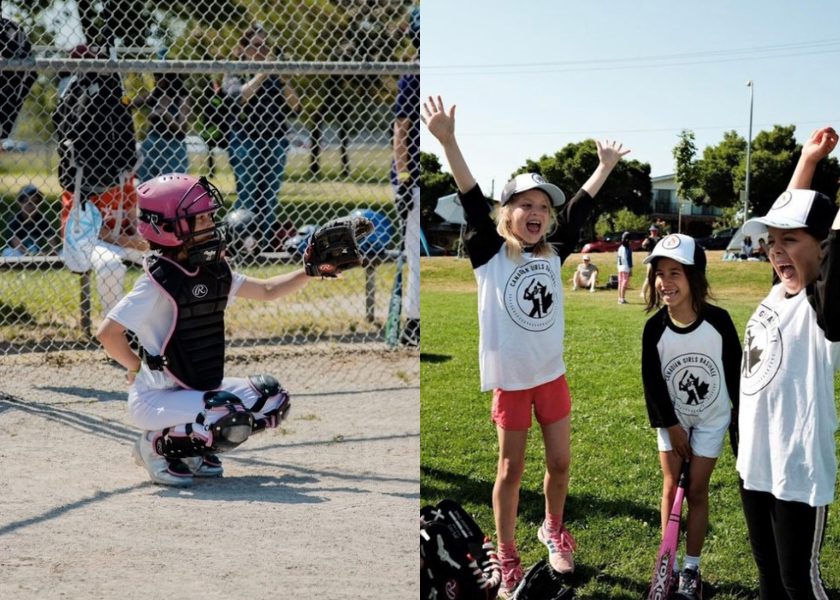
One way CGB encourages these qualities is through its player mentorship programme. Older participants take on coaching and mentoring roles with younger players, creating opportunities to practise leadership, communication and responsibility.
This approach also allows younger participants to learn from peers who have progressed through the same sporting environment.
CGB reports improvements in participants’ confidence, leadership, decision-making, resilience and empathy following several studies conducted in partnership with a Canadian university. While the submission does not provide quantified findings, these reported improvements reflect the personal development outcomes the initiative seeks to encourage.
Feedback from families and participants provides another perspective. CGB regularly receives letters and emails from parents and players, as well as copies of school presentations about the initiative. These accounts describe growing confidence, new interests and positive changes in participants’ experiences.
For the team, success is not defined solely by sporting performance.
“When a player learns a new skill or tries, fails and gets up again, that’s success.”
By encouraging girls to try unfamiliar activities, overcome setbacks and recognise their capabilities, CGB aims to build confidence that extends from the baseball diamond into everyday life.
Successes and Challenges
One of Canadian Girls Baseball’s most significant achievements has been its expansion from a single local initiative into programmes operating across Canada.
Its growth has largely been driven by word of mouth and interest from communities seeking opportunities for girls to play. As awareness increased, CGB began receiving requests to establish programmes in new locations, either through partnerships with local groups or by introducing its own activities.
By its third year, the initiative had reached 1,500 players across 20 locations, demonstrating how community demand helped expand its reach.
However, maintaining this momentum has not been without challenges. The COVID-19 pandemic affected participation and expansion, although CGB continued offering girls opportunities to play.
Beyond the pandemic, the initiative identifies unconscious bias as one of its most persistent obstacles. According to CGB, individuals and institutions may express support for girls in sport while placing limits on the extent of that support in practice.
Securing financial backing has also proved difficult. The team reports that potential sponsors and donors can be hesitant to invest in girls’ baseball, particularly when compared with more established sports such as basketball or hockey.
These experiences highlight the difference between encouraging girls’ participation in principle and providing the sustained resources needed to support it.
Despite these challenges, CGB has continued to provide dedicated baseball opportunities while working to rebuild its participation levels.
Learnings and Recommendations
Canadian Girls Baseball’s experience offers practical lessons for others seeking to expand opportunities for girls in sport.
One of its central recommendations is to consider how the sporting environment influences participation. CGB emphasises that girls need to feel a sense of belonging before they can fully engage, making inclusion and enjoyment important starting points for programme design.
Its approach also demonstrates the value of adapting activities to participants rather than expecting everyone to fit a standard model. Adjusting drills, offering individual support and addressing financial barriers can help make sporting opportunities accessible to a wider range of participants.
Another important lesson concerns the value of starting small.
CGB has developed a manageable process for introducing programmes in new communities, often beginning with a small group and allowing participation to grow through personal recommendations.
This community-led approach has enabled the initiative to respond to local demand without requiring every programme to begin at scale.
The team’s experience has also revealed the challenges of securing meaningful support for girls’ sport. Reflecting on what it wishes it had known before starting, CGB points to how limited that support can be despite public expressions of encouragement.
For other initiatives, these experiences reinforce the importance of combining inclusive programme design with practical measures that support accessibility, continuity and growth.